Zanzibar is a semi-autonomous archipelago in the Indian Ocean about 35 kilometres off the Tanzanian mainland, made up of Unguja, the main island usually meant by the name, along with Pemba and dozens of smaller islets.
Its history is written into the streets of Stone Town, a UNESCO World Heritage Site of coral-rag buildings, carved doors and narrow lanes that grew from a thousand years of monsoon trade between Africa, Arabia, India and Persia, and from the spice and slave economies that followed.
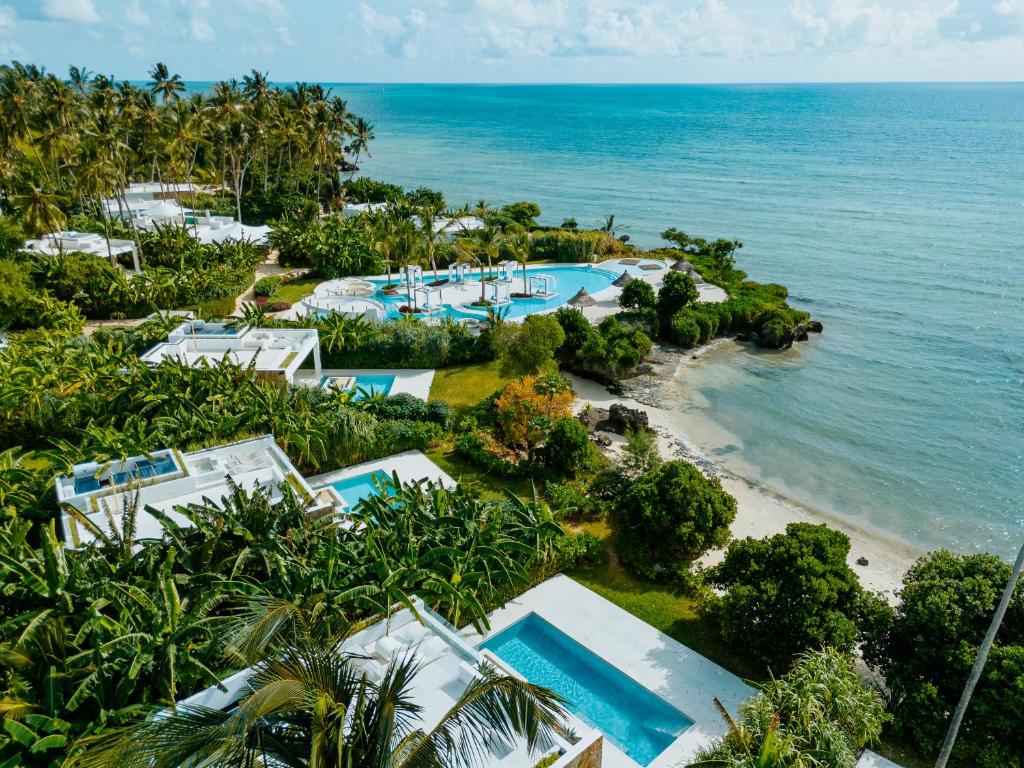
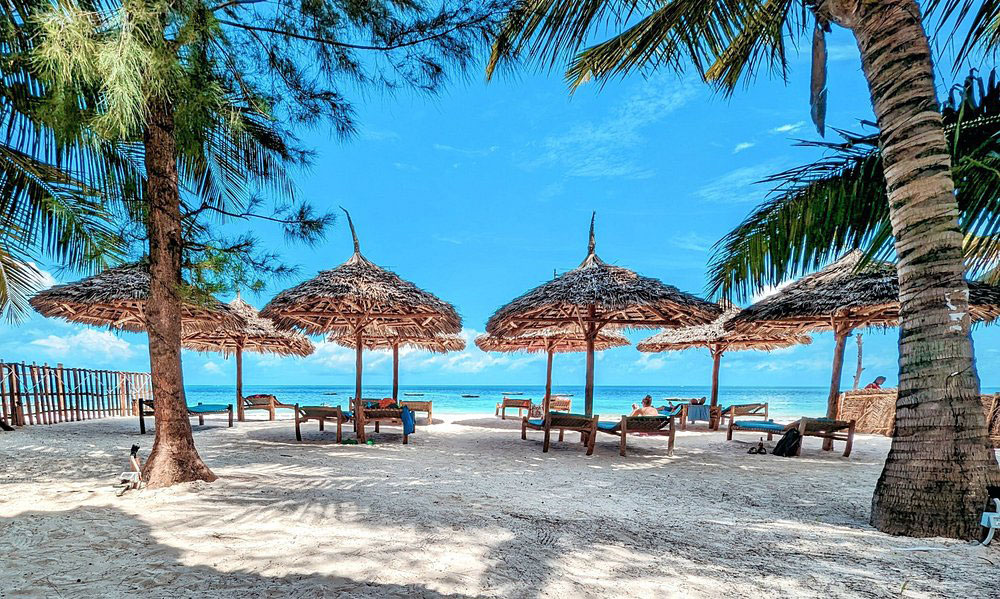
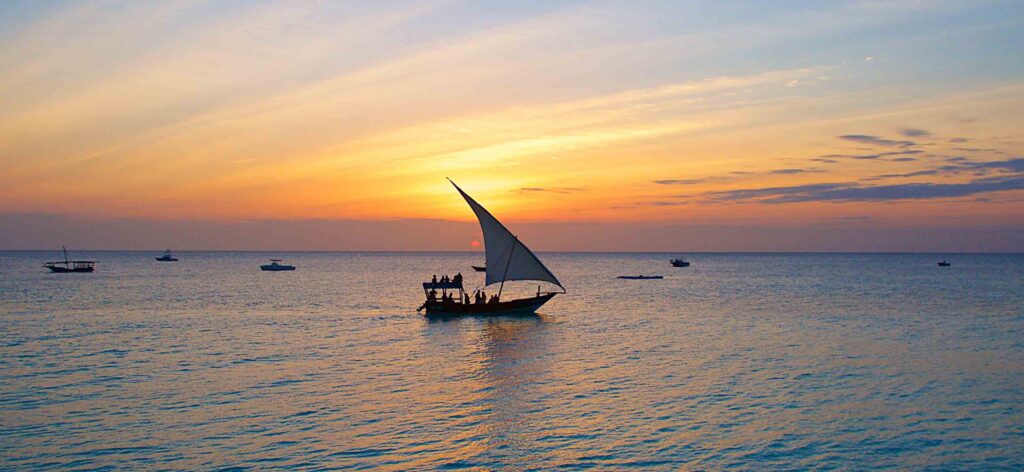
Beyond the town, the island is fringed with white sand and shallow turquoise water. The east coast has long tidal shifts and a reef-protected lagoon, the north around Nungwi and Kendwa swims at all tides, and the south-west is quieter and better for sunsets over the water.
Inland, the spice farms that gave Zanzibar its other name still grow clove, nutmeg, cinnamon and pepper, and the Jozani forest shelters the endemic Zanzibar red colobus. It is the most common add-on to a Tanzanian safari, and increasingly the reason people come at all.