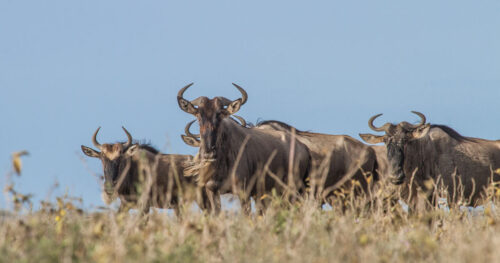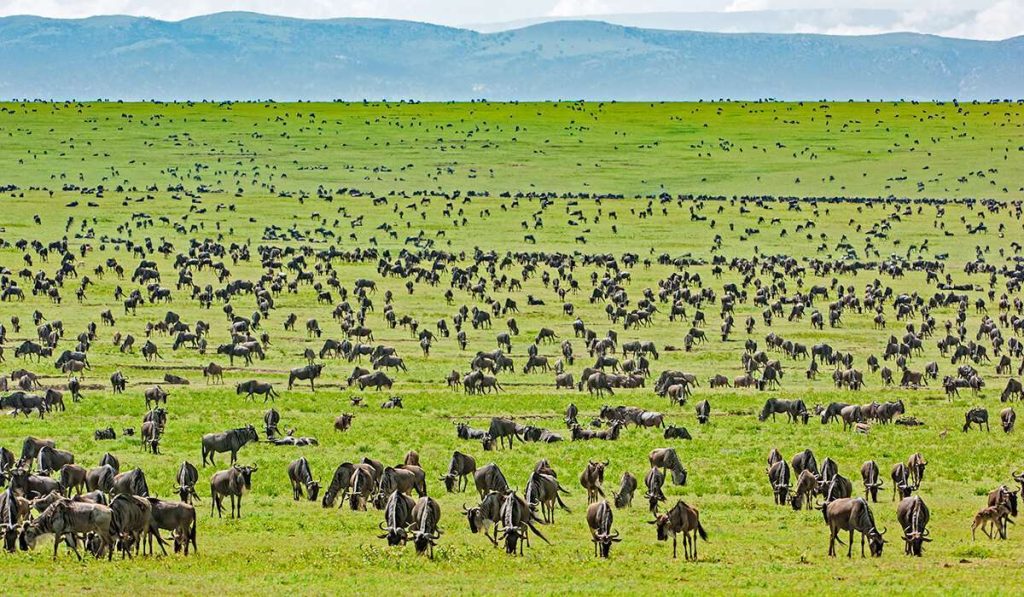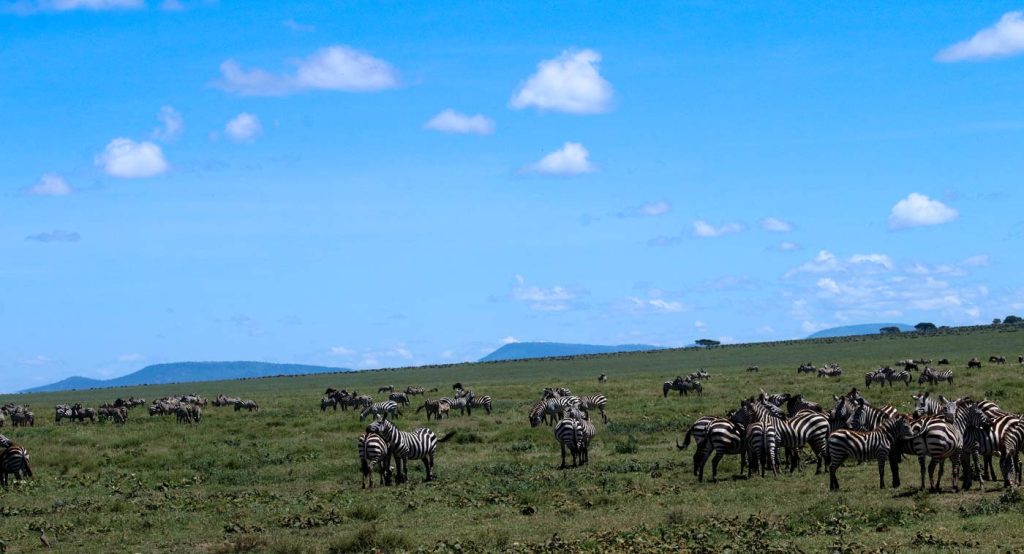
A UNESCO World Heritage Site, Serengeti National Park is one of the premier wildlife sanctuaries on earth. Its vast grasslands — the Maasai’s endless plains — span more than 14,700 square kilometres, and they are famed above all for the Great Migration, in which some 1.5 million wildebeest and 300,000 zebra traverse the savanna each year in search of fresh pasture and water.
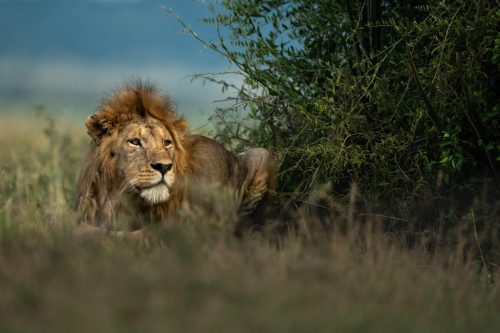
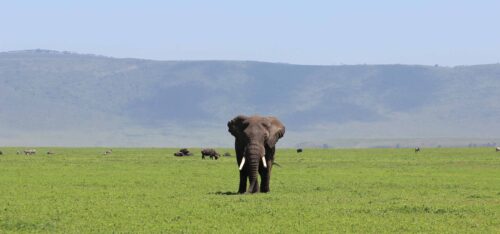
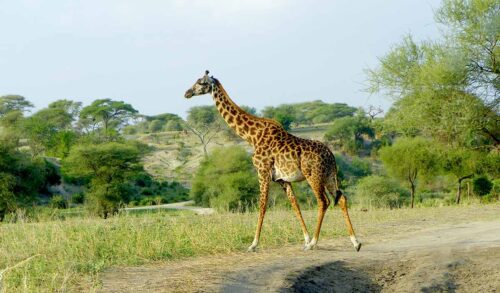
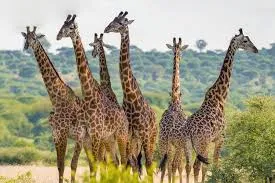
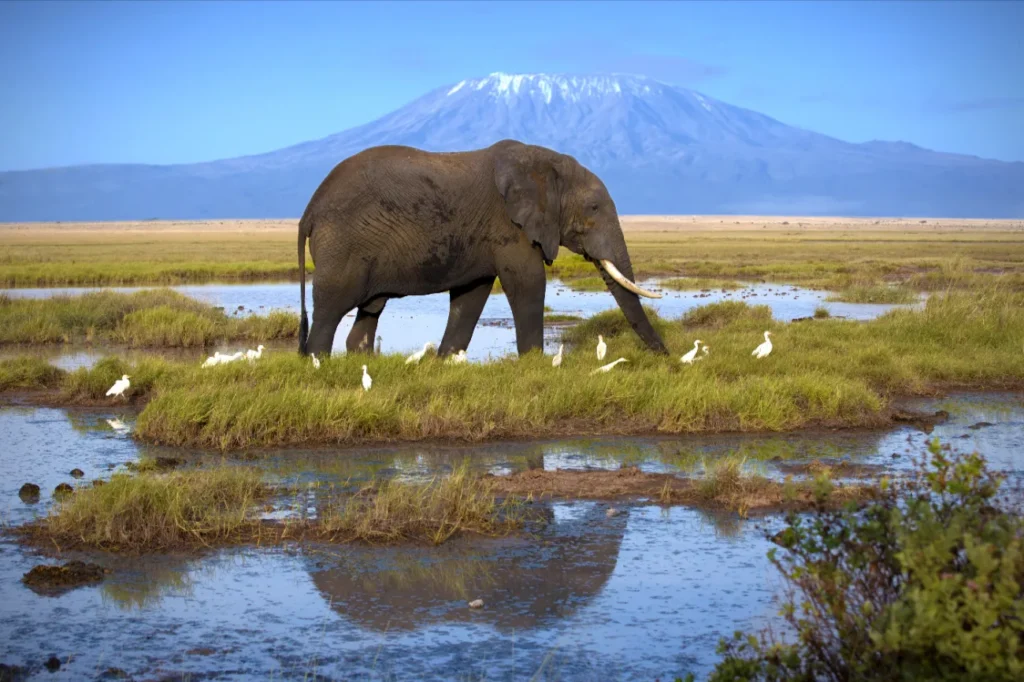
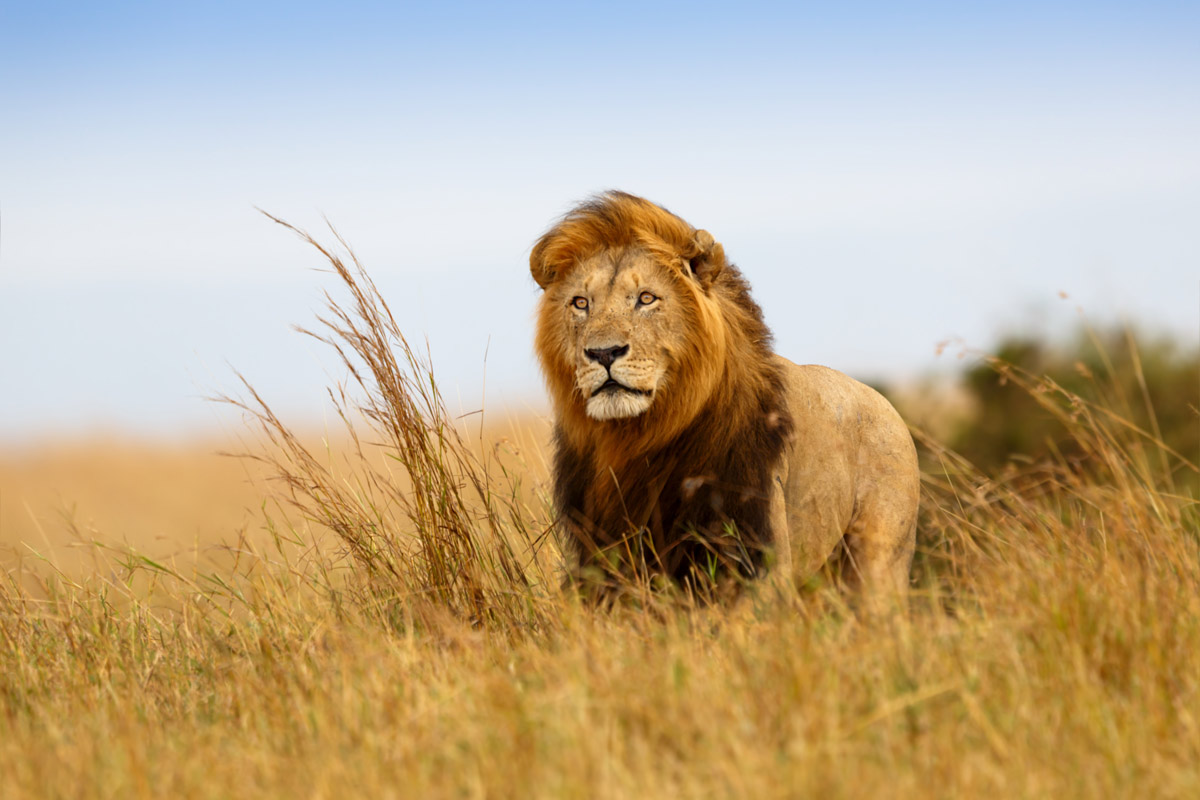
The park offers considerably more than the migration. Lions stalk prey across the golden plains, elephant herds move through the woodland, giraffes browse the acacias and hippos crowd the rivers. The landscape shifts from open short-grass plains in the south to rocky kopjes around Seronera, riverine forest along the Grumeti and Mara, and rolling woodland in the north, and each of those habitats sustains its own distinct community of wildlife.
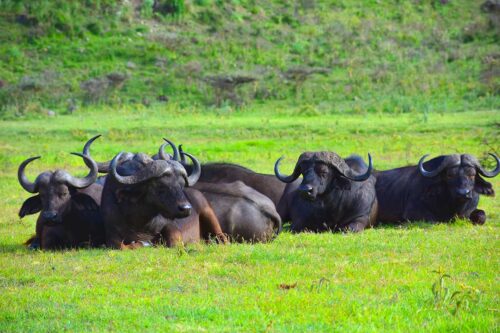
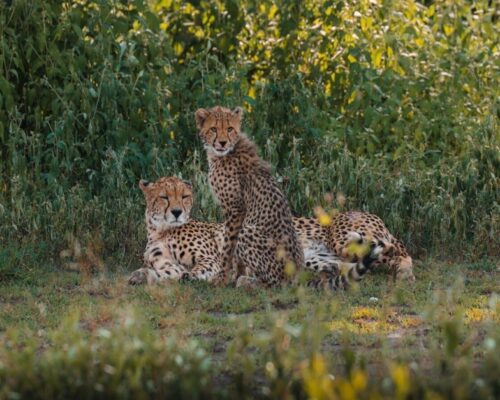
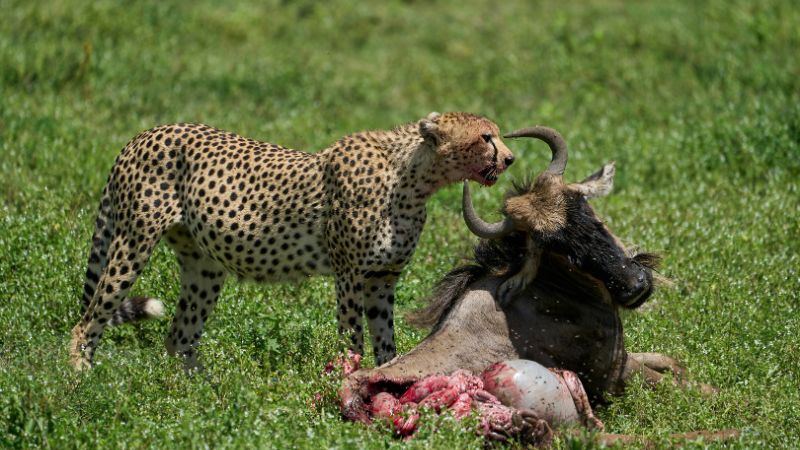
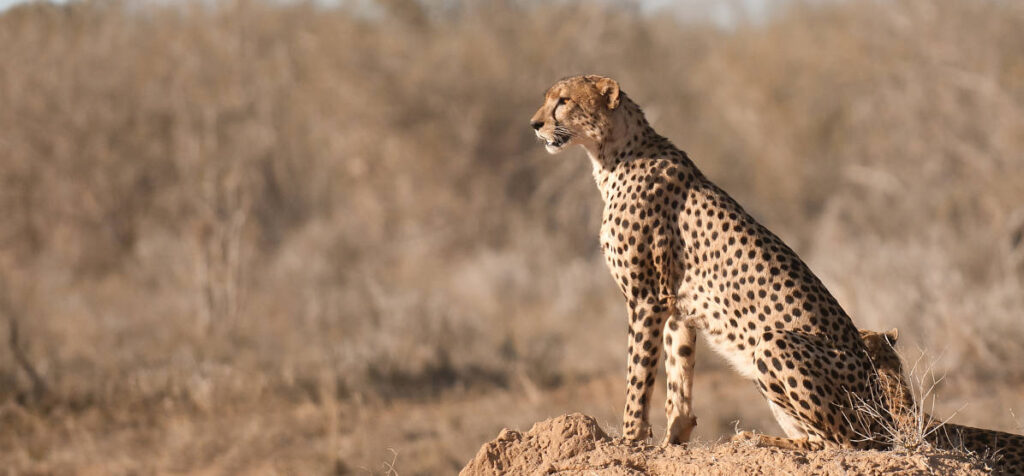
The Serengeti holds one of the highest concentrations of large predators anywhere in Africa. Lion prides here are unusually large, cheetah hunt the open southern plains, and leopard rest in the sausage trees along the Seronera River. All of the Big Five occur within the park, though black rhino are rare and largely confined to the Moru Kopjes.
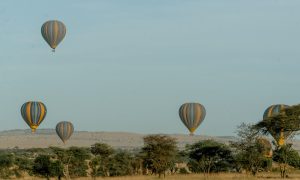
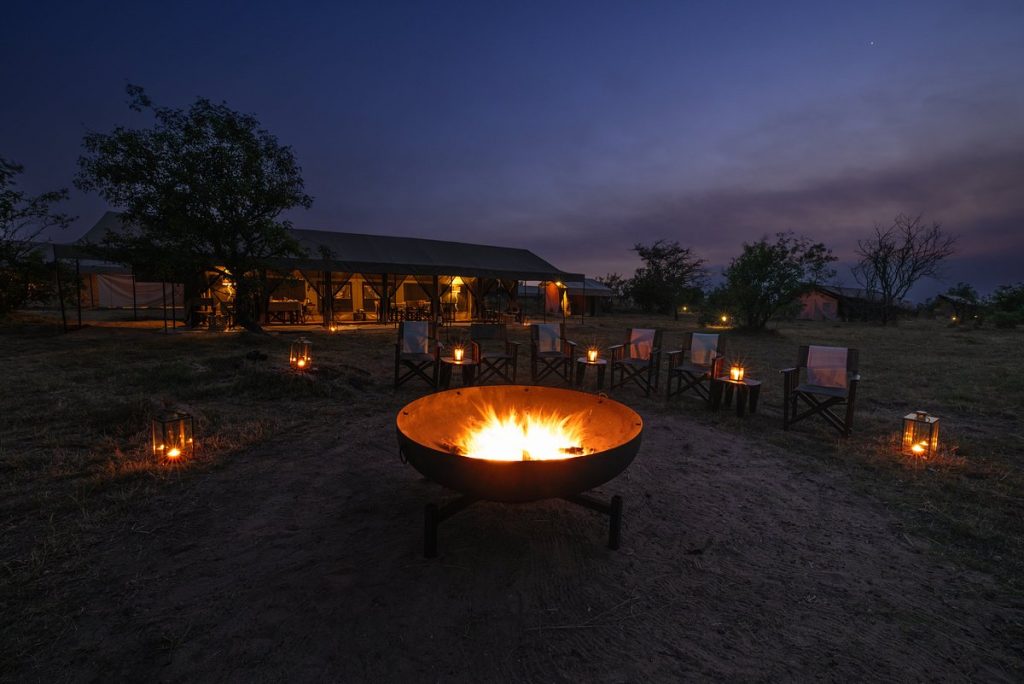
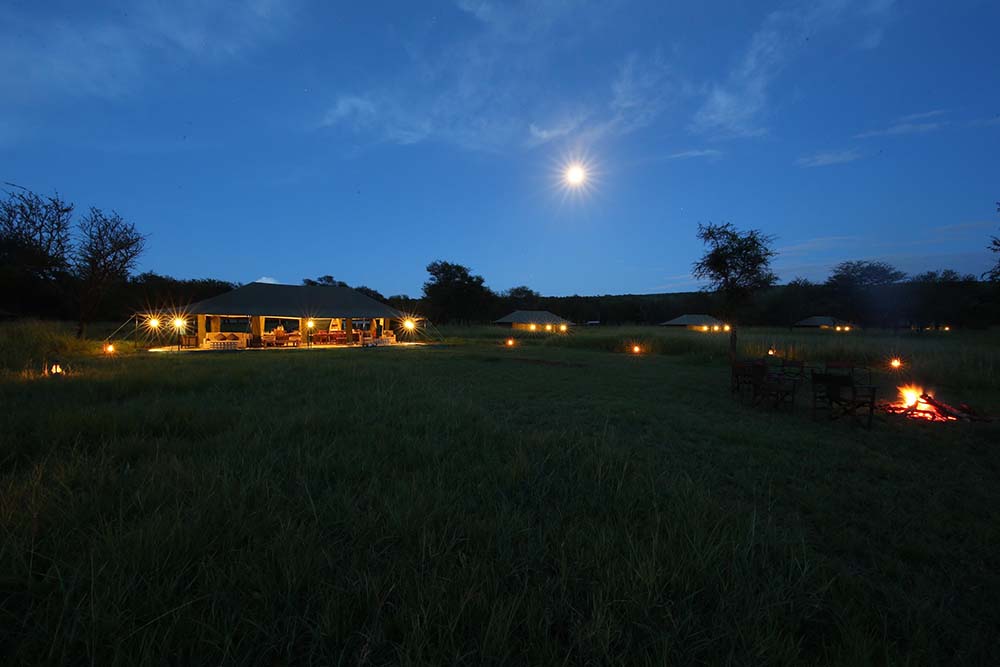
Safari experiences range from hot-air balloon flights at sunrise and jeep-based game drives to guided walks with an armed ranger in the northern sectors. The park rewards a visit in every month of the year, because the resident game does not leave when the herds move on.