4 Days | 3 Nights
Compare tour packages that visit Serengeti National Park, from local tour operators. Check prices, itineraries and reviews, then send an enquiry.
Showing 1–12 of 116 tours
4 Days | 3 Nights
4 Days | 3 Nights
Tanzania
5/55 reviews
Serengeti
From $3,148 USD per person
6 Days | 5 Nights
3 Days | 2 Nights
Tanzania
5/52 reviews
Arusha, Serengeti, Zanzibar
From $2,785 USD per person
4 Days | 3 Nights
Tanzania
5/52 reviews
Arusha, Serengeti
From $3,500 USD per person
11 Days | 10 Nights
Tanzania · Kenya
5/52 reviews
Lake Manyara, Serengeti, Nairobi, Lake Nakuru, Maasai Mara, Amboseli
From $6,700 USD per person
5 Days | 4 Nights
Tanzania
5/51 review
Ngorongoro Crater, Serengeti
From $3,412 USD per person
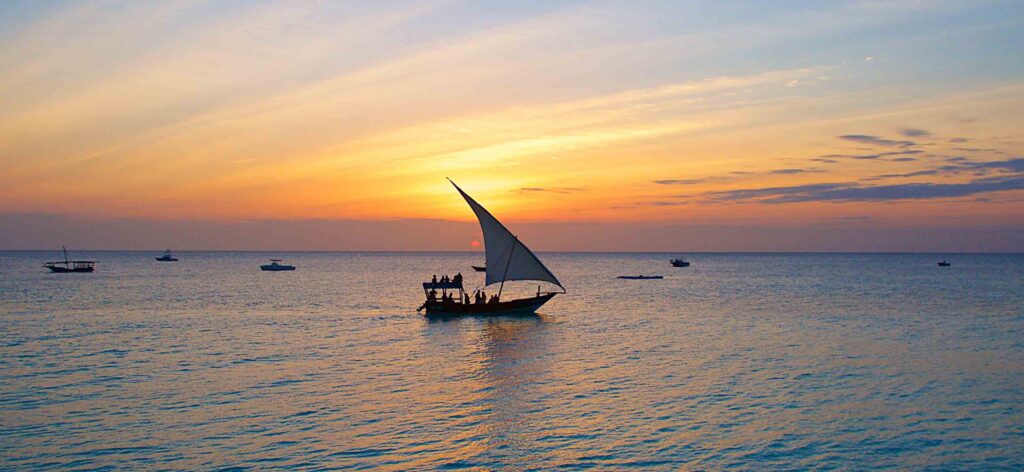
8 Days | 7 Nights
Tanzania
5/51 review
Ngorongoro Crater, Serengeti, Zanzibar
From $4,201 USD per person
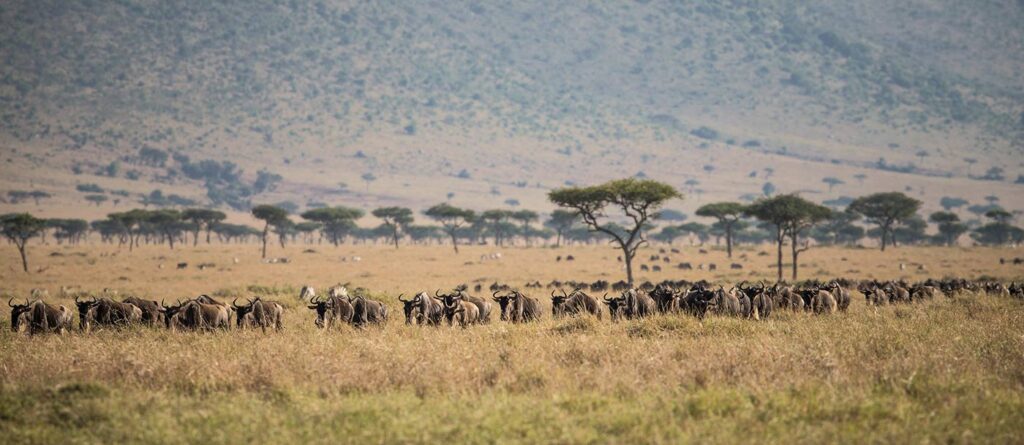
4 Days | 3 Nights
Tanzania
5/51 review
Ngorongoro Crater, Serengeti
From $3,116 USD per person
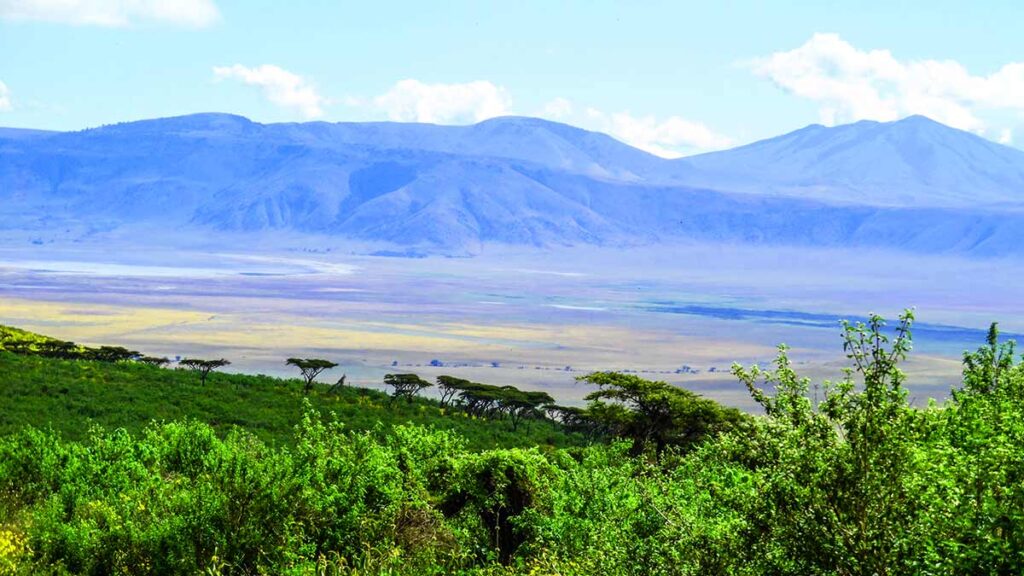
5 Days | 4 Nights
Tanzania
5/51 review
Ngorongoro Crater, Serengeti
From $2,982 USD per person
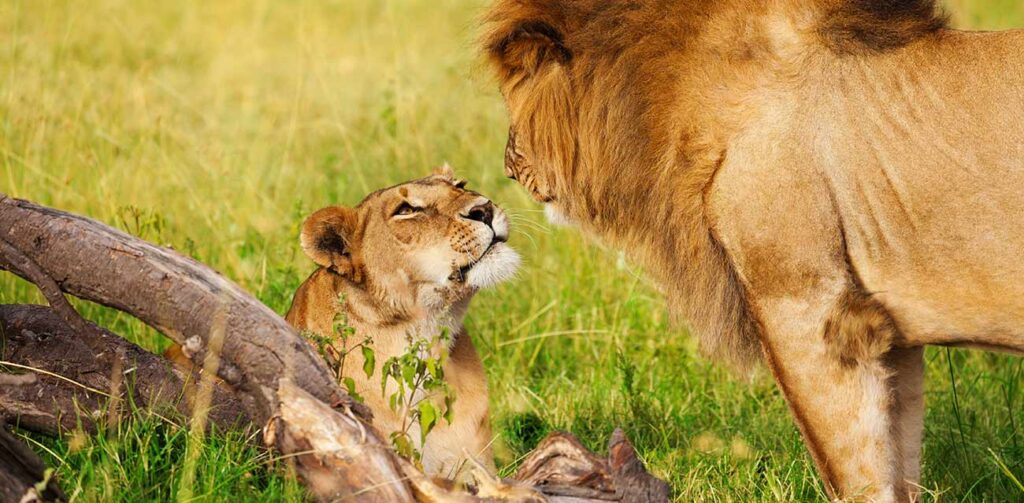
6 Days | 5 Nights
Tanzania
5/51 review
Ngorongoro Crater, Serengeti
From $4,228 USD per person
4 Days | 3 Nights
Plan your trip
When to go, how safe it is and the questions travellers ask most about Serengeti National Park.
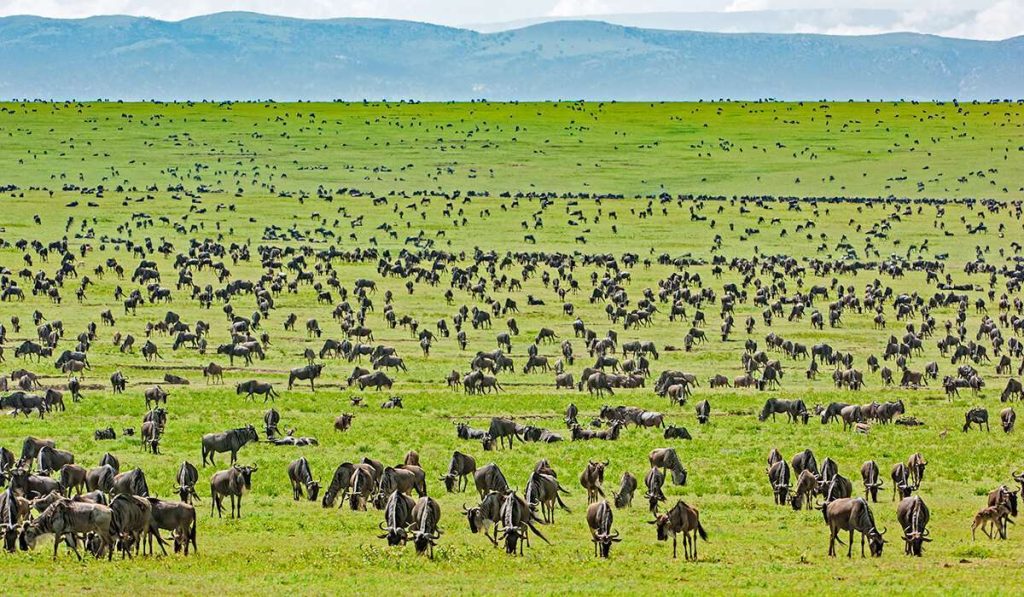
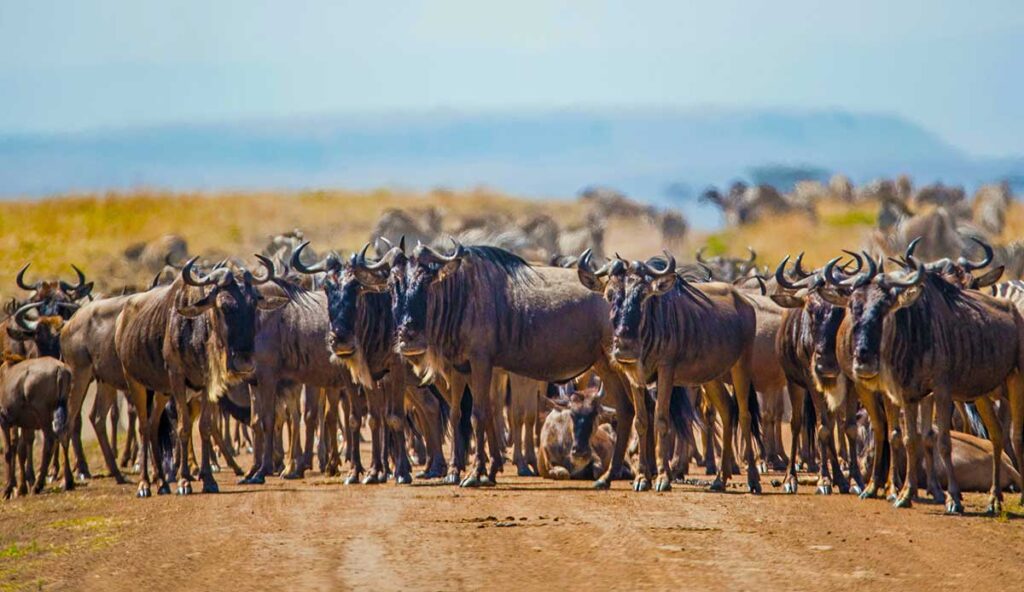
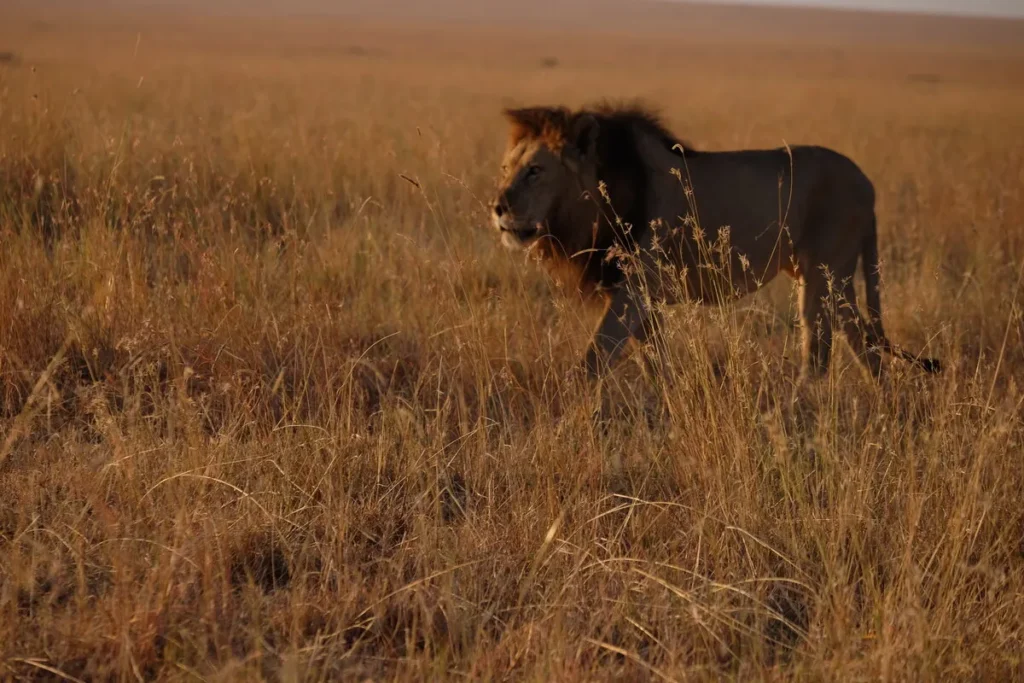
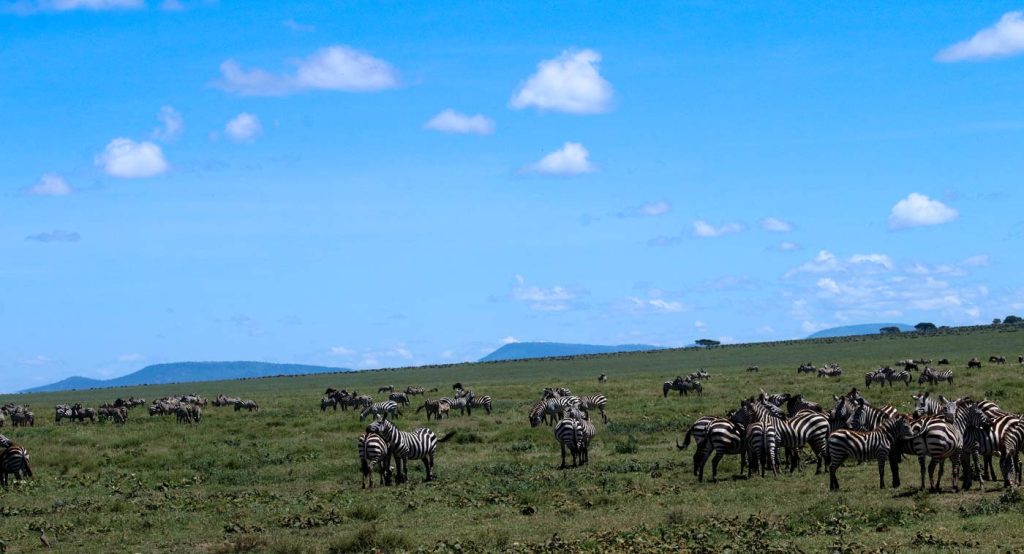
The Serengeti is worth visiting in any month. What changes is where the migration sits, and the herds move on a circuit predictable enough to plan around the stage you want to see.
January to March is calving season on the southern plains around Ndutu, where as many as 8,000 calves are born in a single day at the peak, and predator activity is more intense than at any other point in the year.
April and May bring the long rains, the quietest and cheapest time to travel, though some tracks become difficult and a number of seasonal camps close.
June to September is crossing season, the Grumeti around June and the Mara River in the north from July, with August and September most reliable. This is peak season, and the best camps sell out months ahead at the highest rates.
October to December sees the herds turn south, with the short rains bringing a green flush and migratory birds. Worth saying plainly: the resident game does not leave with the migration, so a trip timed away from the herds is still a first-rate safari.
Month by month
Jan
45 mm
Feb
30°
51 mm
Mar
29°
69 mm
Apr
27°
89 mm
May
25°
24 mm
Jun
24°
0 mm
Jul
24°
0 mm
Aug
25°
0 mm
Sep
28°
0 mm
Oct
29°
7 mm
Nov
29°
37 mm
Dec
29°
52 mm
While the Serengeti is remarkably safe, wildlife poses the greatest risk. Predators such as lions and leopards, as well as unpredictable animals like elephants and buffalo, can be dangerous if approached. For this reason, leaving vehicles outside designated areas is prohibited, and game drives should always be led by licensed guides who understand animal behavior.
Driving conditions can be challenging, as most roads are unpaved and become muddy during the rainy seasons. While most tour operators prioritize your safety with customized 4x4 safari vehicles, accidents may still occur due to speeding, sudden animal crossings, or breakdowns in remote areas. For this reason, it is crucial to choose an operator who prioritizes employing highly skilled and knowledgeable guides..
Crime inside Serengeti National Park is very rare. Camps and lodges are secure, with staff trained for emergencies. Still, visitors should lock valuables away and avoid leaving belongings unattended. Outside the park, especially in nearby towns, travelers should follow standard precautions—such as avoiding isolated areas after dark and keeping important items like passports and money safely stored.
FAQ8 questions
What travellers ask most before booking a safari in Serengeti National Park, answered by local experts.
Read the full Serengeti National Park guideIt depends entirely on which stage you want to witness, because the herds are always somewhere. Calving runs from January to March on the southern short-grass plains around Ndutu, when as many as eight thousand calves are born in a single day and predator activity reaches its peak. The Grumeti River crossings fall around June in the western corridor, and the far more dramatic Mara River crossings happen between July and September in the north.
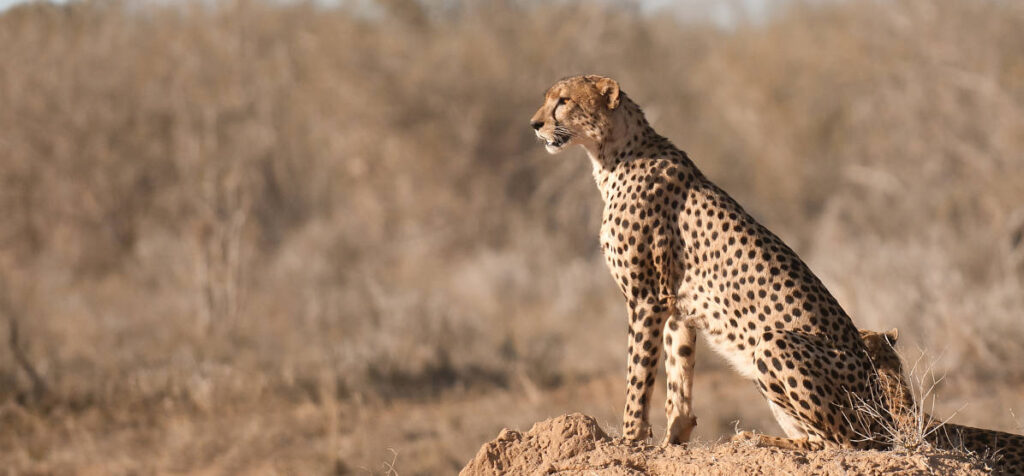
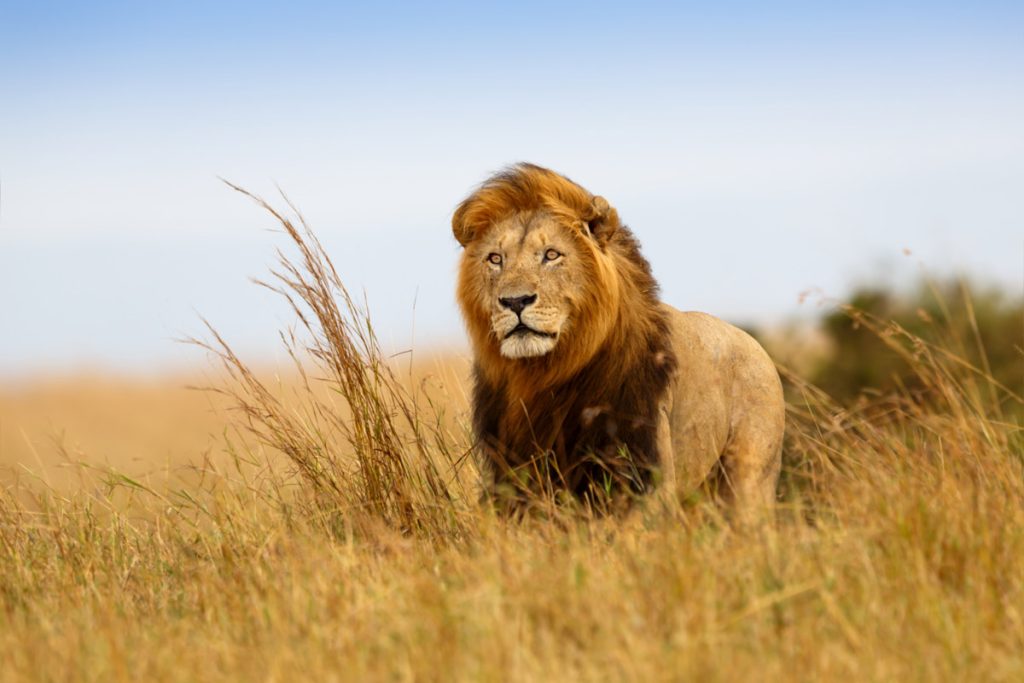
All of the Big Five occur within the park — lion, leopard, rhino, elephant and buffalo — although black rhino are genuinely rare and largely confined to the Moru Kopjes area. Beyond those, wildebeest, zebra, giraffe, hyena, cheetah, jackal, hippo, baboon, warthog and several gazelle species are seen routinely on any standard circuit. The Seronera Valley offers the most dependable big-cat viewing at any time of year. Wild dog have returned to parts of the ecosystem in recent years and are seen occasionally in the north.
Yes. Crime inside the park is extremely rare, camps and lodges are secure, and staff are trained for emergencies. The genuine risk is the wildlife itself: leaving your vehicle outside designated areas is prohibited, and every game drive should be led by a licensed guide who can read animal behaviour. Road conditions warrant care too, as most tracks are unpaved and turn muddy during the rains. Outside the park, apply the usual precautions in Arusha and the towns along the route.
Consult a travel clinic well before departure, ideally six to eight weeks ahead so there is time for any course requiring multiple doses. Vaccines commonly recommended for Tanzania include yellow fever, typhoid, hepatitis A and B, and tetanus, and malaria prophylaxis is strongly advised throughout the country. A yellow fever certificate may be required if you are arriving from a country where the disease is endemic. Carry prescription medication in your hand luggage rather than checked baggage, as bags occasionally miss light aircraft connections.
Four to seven days is the usual range, and it is the range most operators would recommend. That gives you enough time to cover more than one region, position yourself along the migration route, and combine game drives with a balloon flight or a cultural visit without spending the whole trip in transit. Shorter stays are possible if you fly in, but the park is vast and distances between regions are considerable.
Yes, though most lodges set a minimum age of twelve, and several activities carry their own limits — balloon flights and walking safaris in particular usually require guests to be older still. Families should choose camps that run child-friendly programmes, and make sure children understand the safety rules before the first game drive, especially the rule about staying inside the vehicle at all times. Long transfers between regions can be demanding for younger children, so consider flying between sectors rather than driving.
It depends on the month. Ndutu and the southern plains suit January to March for calving, the western corridor around Grumeti works for June, and the northern Kogatende and Lamai areas are where you want to be from July to September for the Mara crossings. Seronera in the centre is the reliable year-round choice for resident big cats, and is the most accessible sector by road from Ngorongoro. Mobile camps that reposition with the herds are the alternative if you want to follow the migration rather than commit to one sector.
For most people who do it, yes, though it is a significant expense at roughly 550 to 650 US dollars per person. The flight lasts about an hour at sunrise, drifting low over the plains and rivers before landing for a full bush breakfast, and it offers a perspective on the landscape that no vehicle can match. Capacity is limited and dry-season slots sell out months in advance, so book early.
Everything we list for Serengeti National Park, in one place.
 Guide
 Places to stay
0 Tours
6 Tours
0 Tours
82 Tours
0 Tours
0 Tours
0 Tours
0 Tours