
Kenya

Nakuru

When to visit
January to February and September to October
Size
290 sq km
Temperature
25 'C
Rainfall
20mm

Overview

About Nakuru

Nakuru is Kenya’s fourth largest city, sitting at around 1,850 metres on the floor of the Rift Valley beside the lake that shares its name.

It is the commercial centre of Kenya’s most productive farming region, and grew rapidly through the twentieth century as the hub of the White Highlands, a history that still shapes land politics in the surrounding country.

The city’s main draw for visitors is its position. Lake Nakuru National Park begins immediately at the southern edge of the built-up area, making this the only Kenyan city where a national park gate is a short drive from the centre.

Beyond the park, Menengai Crater rises just north of the city, and the prehistoric site at Hyrax Hill sits on its eastern outskirts, both of which fill a spare half day.
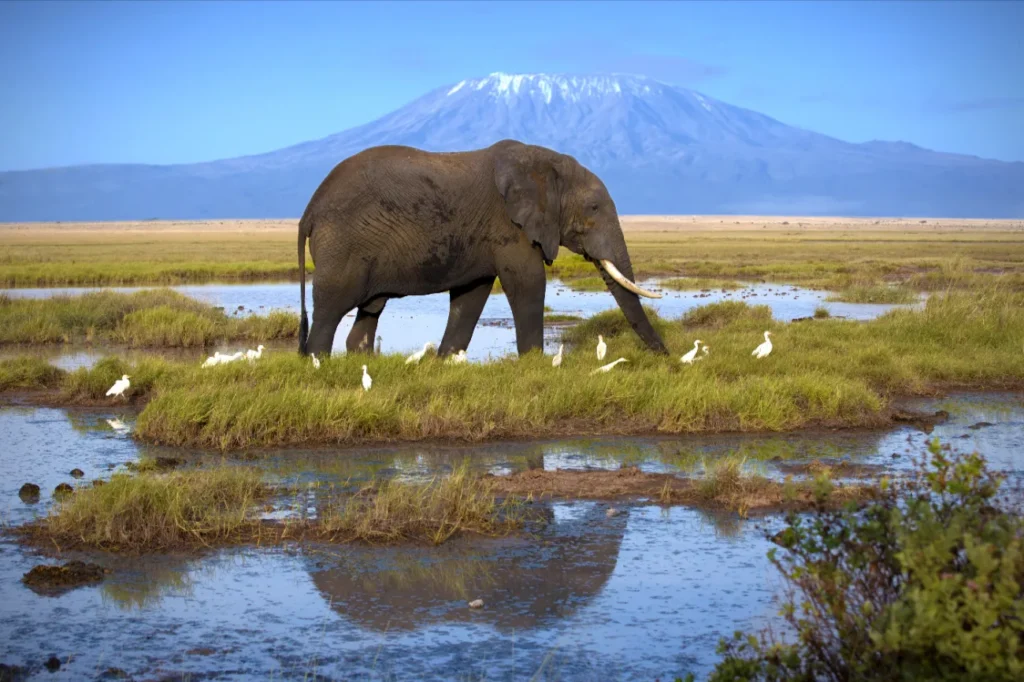
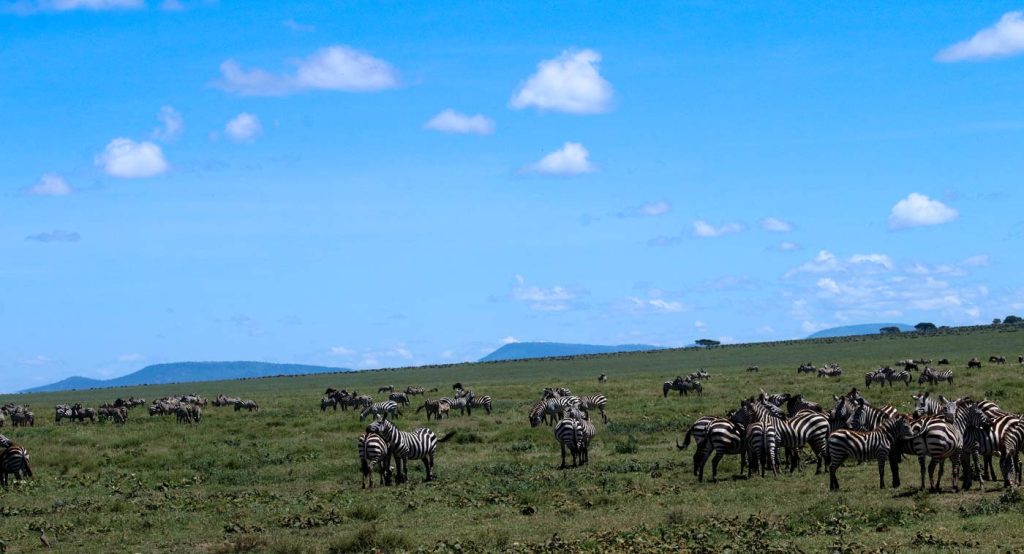
People and culture

People and culture

The Kikuyu are the largest community in Nakuru today, though the city's growth drew people from across Kenya and it has a genuinely mixed population reflecting its role as a regional commercial centre.

The surrounding highlands were the heart of the colonial White Highlands, settled by European farmers from the early twentieth century, and the land redistribution questions arising from that period remain politically charged in Kenya.

Hyrax Hill, on the eastern edge of the city, was excavated by Mary Leakey in the 1930s and holds settlement remains spanning several thousand years, with a small museum interpreting the finds.

Menengai Crater north of the city is one of the largest calderas in the world, and it carries significance in Maasai oral tradition connected to a nineteenth-century battle fought on its slopes.

Getting there

How to get there

Weather

Weather and climate in Nakuru

Nakuru sits at around 1,850 metres, which gives it a temperate highland climate quite unlike Kenya's coast or northern parks. Days reach 21°C to 27°C and nights fall to 9°C to 12°C, so evenings need a layer year-round.

Month by month

High and low temperature and rainfall, shaded by how good the month is for a safari.

  • Jan

    26° / 10°

    45 mm

  • Feb

    27° / 10°

    45 mm

  • Mar

    26° / 11°

    90 mm

  • Apr

    24° / 12°

    190 mm

  • May

    23° / 12°

    140 mm

  • Jun

    22° / 10°

    45 mm

  • Jul

    21° / 9°

    25 mm

  • Aug

    22° / 9°

    30 mm

  • Sep

    24° / 10°

    35 mm

  • Oct

    25° / 11°

    60 mm

  • Nov

    24° / 12°

    150 mm

  • Dec

    25° / 11°

    80 mm

  • Excellent
  • Very good
  • Good
  • Fair
  • Avoid

Rain falls in two seasons, the long rains from March to May peaking in April and short rains through November and December. Annual rainfall is around 900 millimetres, which supports the intensive farming across the surrounding country.

July and August are cool and often overcast, matching the grey season in Nairobi, when temperatures struggle past 21°C and low cloud can sit over the valley for days at a time.

The lake's level has risen substantially over the past decade, flooding parts of the shoreline and displacing infrastructure, which is visible from the park boundary and has affected the city's southern edge.

Afternoon storms during the wet seasons can be heavy enough to bring traffic in the city to a standstill, though they generally build quickly and clear again within an hour or two rather than settling in for the day.

Best time to go

Best time to visit Nakuru

Best months
Jan–Mar, Jun–Oct, Dec

Nakuru is comfortable year-round, and the choice of month is governed more by the national park and the surrounding Rift Valley than by the city itself.

January to February and June to October are the drier windows and the most comfortable, with reliable conditions for the park, Menengai Crater and the drive on toward Lake Naivasha or the Maasai Mara.

July and August can be cool and grey despite being dry, which surprises visitors expecting equatorial warmth at this altitude.

March to May brings the long rains, when the countryside is green and rates fall, though tracks around the lake shore become muddy and afternoon storms disrupt plans.

For most travellers Nakuru is a night on the way between Nairobi and the Mara, with a morning in the national park. Any month serves that purpose, and the park's fenced rhino population makes game viewing reliable throughout the year.

For most travellers Nakuru is a night between Nairobi and the Mara, with a morning in the national park. Any month serves, and the park's fenced rhino population makes game viewing reliable year-round.

Things to do

Things to do in Nakuru

  1. Lake Nakuru National Park

    Southern City Edge

    A national park gate a short drive from the city centre.

  2. Menengai Crater

    North Of The City

    One of the largest calderas in the world, with rim viewpoints.

  3. Hyrax Hill

    Eastern Outskirts

    A prehistoric site excavated by Mary Leakey, with a museum.

  4. Rift Valley Farmland

    Surrounding Country

    Kenya's most productive agricultural region, at 1,850 metres.

  5. Nakuru Town

    City Centre

    A busy regional commercial hub with markets and a good food scene.

  6. Lake Naivasha Route

    South-East

    An hour toward Naivasha and the wider Rift Valley circuit.

FAQ

Frequently asked questions

Is Nakuru the same as Lake Nakuru National Park?

No, though they adjoin. Nakuru is Kenya's fourth largest city, a commercial and farming centre of around half a million people, while Lake Nakuru National Park is a fenced 188-square-kilometre reserve whose main gate sits at the southern edge of the built-up area. The proximity is unusual: few cities anywhere have a national park boundary within a short drive of the centre. The national park gate sits at the southern edge of the built-up area, minutes from most city hotels.

Why would I stay in Nakuru city?

Convenience, principally. Staying in town is considerably cheaper than lodges inside the park, and the main gate is minutes away, so an early morning drive is straightforward. The city also has a good range of hotels, restaurants and services, and works well as a base for Menengai Crater and Hyrax Hill alongside the park itself. Nakuru is considerably cheaper as a base than the lodges inside the park, which suits travellers on a budget.

What is Menengai Crater?

It is a vast volcanic caldera immediately north of the city, one of the largest in the world, with a rim road and viewpoints looking down some 480 metres to the floor. Geothermal steam vents are visible below. It carries significance in Maasai oral tradition connected to a nineteenth-century battle, and the rim can be reached by road in under half an hour from the centre. The city sits on the main highway, so it is easily combined with Naivasha, Bogoria or the route west to Uganda.

How do I get to Nakuru?

The city lies about 160 kilometres north-west of Nairobi, two to three hours by road on the main highway through the Rift Valley, which makes it one of the most accessible destinations in Kenya. Buses and matatus run constantly. It sits on the route toward Eldoret and Uganda, and toward the Maasai Mara via Narok. The national park gate sits at the southern edge of the built-up area, minutes from most city hotels.

What is Hyrax Hill?

It is a prehistoric settlement site on the eastern outskirts of the city, excavated by Mary Leakey in the 1930s, with remains spanning several thousand years including burial mounds, a fort and Neolithic occupation layers. A small museum on site interprets the finds. It takes an hour or two and is easily combined with a morning in the national park. Nakuru is considerably cheaper as a base than the lodges inside the park, which suits travellers on a budget.

How cold does Nakuru get?

Cooler than most visitors expect, because the city sits at around 1,850 metres. Days reach only 21°C to 27°C and nights fall to 9°C to 12°C, with July and August often overcast and genuinely chilly. A jacket is needed year-round for evenings, which catches out travellers arriving from the coast or from the northern parks. The city sits on the main highway, so it is easily combined with Naivasha, Bogoria or the route west to Uganda.

When is the best time to visit?

January to February and June to October are the drier windows and the most comfortable, with reliable conditions for the national park, Menengai Crater and onward travel. July and August can be cool and grey despite being dry. March to May brings the long rains, when the countryside is green and rates fall but tracks around the lake become muddy. The national park gate sits at the southern edge of the built-up area, minutes from most city hotels.

Does Nakuru fit a Rift Valley circuit?

Very naturally. Lake Naivasha is an hour south-east, Lake Bogoria and Baringo lie to the north, and the road west leads to Eldoret and Uganda while the south-western route reaches the Maasai Mara. A common itinerary takes in Naivasha and Nakuru over two or three nights before continuing to the Mara, which avoids a single very long driving day. Nakuru is considerably cheaper as a base than the lodges inside the park, which suits travellers on a budget.

Explore other destinations

All destinations