
Kenya

Lewa Conservancy

When to visit
January to February and June to October
Size
250 sq km
Temperature
25 'C
Rainfall
20mm

Overview

About Lewa Conservancy

Lewa Wildlife Conservancy covers 250 square kilometres on the northern foothills of Mount Kenya, and is among the most influential conservation projects in East Africa.

It began as a cattle ranch and became a rhino sanctuary in 1983, growing into a model that has been replicated across northern Kenya through the Northern Rangelands Trust, which Lewa helped found.

The conservancy holds significant populations of both black and white rhino, and around eleven per cent of Kenya’s Grevy’s zebra, the larger and rarer of the two zebra species, whose global range is now confined to northern Kenya and parts of Ethiopia.

Lewa was inscribed as part of the Mount Kenya UNESCO World Heritage Site in 2013 in recognition of its conservation record. Visitor numbers are strictly limited and accommodation is small in scale and correspondingly expensive.
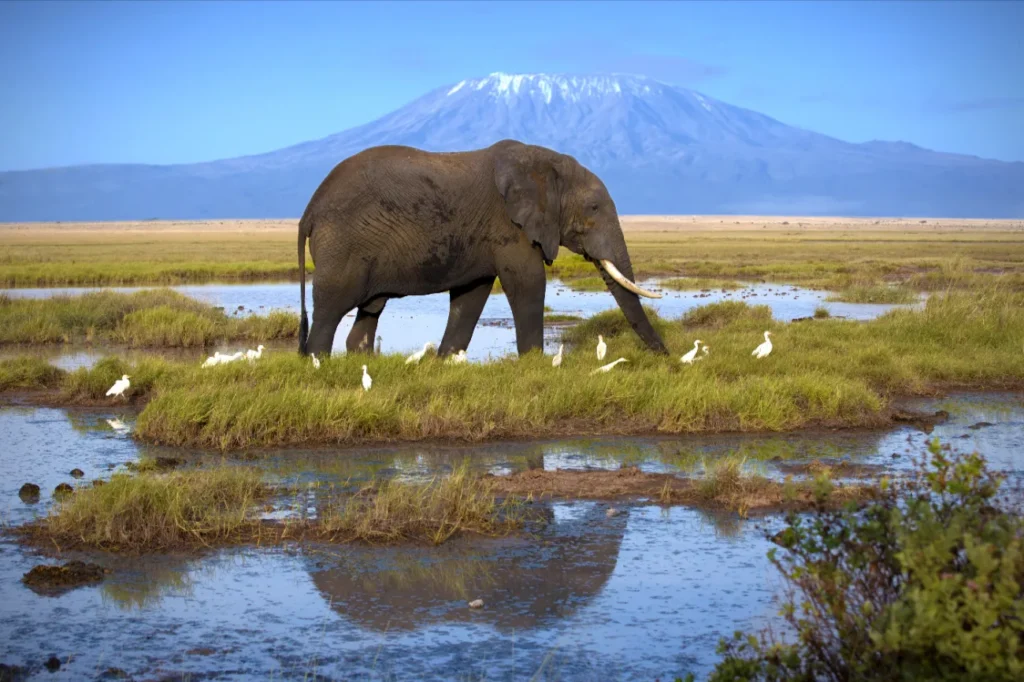
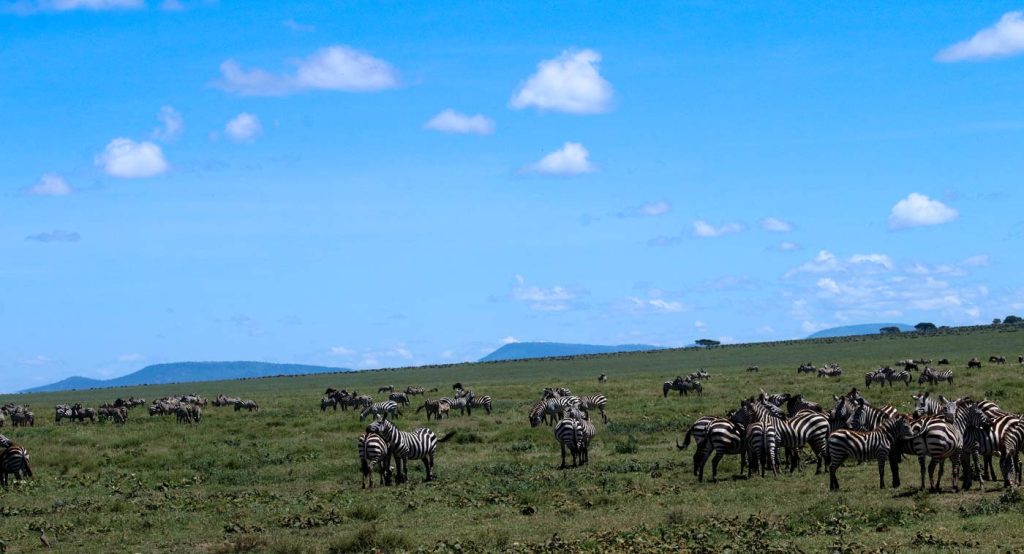
People and culture

People and culture

Lewa's model rests on the argument that conservation must benefit the people living alongside wildlife, and the conservancy funds schools, clinics, water projects and micro-enterprise across neighbouring communities.

It was instrumental in founding the Northern Rangelands Trust, which now supports community conservancies across a vast area of northern Kenya, and that regional influence is arguably its most significant legacy.

The Lewa Safari Marathon, run through the conservancy each June with wildlife on the course, has raised very substantial sums for those community programmes and has become one of Kenya's better-known sporting events.

The Maasai, Samburu and Meru communities border the conservancy, and the relationships across those boundaries, particularly over grazing during drought, are central to how Lewa operates rather than incidental to it.

Getting there

How to get there

Weather

Weather and climate in Lewa Conservancy

Lewa sits at around 1,600 to 2,000 metres on the northern slopes of Mount Kenya, which gives it a temperate highland climate. Days reach 22°C to 28°C and nights fall to 9°C to 12°C.

Month by month

High and low temperature and rainfall, shaded by how good the month is for a safari.

  • Jan

    27° / 10°

    40 mm

  • Feb

    28° / 10°

    40 mm

  • Mar

    27° / 11°

    80 mm

  • Apr

    25° / 12°

    160 mm

  • May

    24° / 12°

    110 mm

  • Jun

    23° / 10°

    30 mm

  • Jul

    22° / 9°

    25 mm

  • Aug

    23° / 9°

    30 mm

  • Sep

    25° / 10°

    30 mm

  • Oct

    26° / 11°

    60 mm

  • Nov

    25° / 12°

    140 mm

  • Dec

    26° / 11°

    70 mm

  • Excellent
  • Very good
  • Good
  • Fair
  • Avoid

Rain falls in two seasons, the long rains from March to May peaking in April and short rains through November. Annual rainfall is around 700 millimetres, and the conservancy sits in the transition between the wetter Mount Kenya slopes and the arid country further north.

July and August are cool and often overcast, and mornings on the higher ground can be genuinely cold, so warm layers are needed for early drives regardless of month.

Mount Kenya rises directly to the south and is visible on clear mornings, usually before cloud builds over the peaks by mid-morning, which shapes when photographers want to be out.

The conservancy sits in the transition between the wetter Mount Kenya slopes and the arid country further north, so conditions shift noticeably between its southern and northern sectors.

Best time to go

Best time to visit Lewa Conservancy

Best months
Jan–Mar, Jun–Oct, Dec

Lewa is fenced and intensively managed, so wildlife viewing stays consistent year-round, and the seasons affect comfort and access more than sightings.

January to February and June to October are the drier windows and the most reliable, with firm tracks, clear conditions and the best chance of seeing Mount Kenya from the conservancy.

June also brings the Lewa Safari Marathon, which fills accommodation across the area and is worth either planning around or planning for, depending on your interest.

March to May brings the long rains, when the country is green, birding peaks and rates ease. Tracks soften but the conservancy remains fully accessible.

Rhino and Grevy's zebra are seen reliably in every month given the population densities and the level of monitoring, so the choice of season is genuinely about weather rather than about what you will find.

Rhino and Grevy's zebra are seen reliably in every month given the population densities and the level of monitoring, so the choice of season is genuinely about weather and rates rather than about what you will actually find on the ground.

Things to do

Things to do in Lewa Conservancy

  1. Rhino Viewing

    Open Plains

    Significant populations of both black and white rhino.

  2. Grevy's Zebra

    Northern Sectors

    Around eleven per cent of Kenya's population of the rarer zebra.

  3. Walking Safaris

    Conservancy Land

    Guided walking, permitted here but not in national parks.

  4. Horseback and Camel Rides

    Open Country

    Riding among plains game that tolerate horses at close quarters.

  5. Community Projects

    Neighbouring Areas

    Schools, clinics and enterprises funded by conservancy revenue.

  6. Mount Kenya Views

    Southern Boundary

    The mountain rising directly south on clear mornings.

FAQ

Frequently asked questions

What makes Lewa significant?

It pioneered a model of conservation built on community benefit rather than exclusion, funding schools, clinics and water projects across neighbouring areas from tourism and donor revenue. Lewa helped found the Northern Rangelands Trust, which has since replicated that approach across a vast area of northern Kenya. It was inscribed as part of the Mount Kenya UNESCO World Heritage Site in 2013 in recognition of that record. Lewa has its own airstrip served by scheduled flights from Wilson Airport in around an hour.

What is a Grevy's zebra?

It is the larger and rarer of the two zebra species, distinguished by narrow stripes, a white belly and large rounded ears, and it is endangered with a global range now confined to northern Kenya and parts of Ethiopia. Lewa holds around eleven per cent of Kenya's population, which makes it one of the most important sites anywhere for the species. Visitor numbers are strictly capped, which keeps the experience quiet but pushes rates well above park lodges.

Is Lewa expensive?

Yes, and deliberately so. Visitor numbers are strictly capped and accommodation is small in scale, which keeps the experience exclusive and the pressure on the land low, but pushes rates well above national park lodges. The premium funds the conservation and community programmes. Travellers on tighter budgets will find Ol Pejeta nearby offers comparable wildlife at lower cost. Rangers track individual rhino daily, so guides generally know where to look before a drive sets out.

What activities are available?

Game drives, guided walking safaris, horseback and camel rides, and night drives all operate, none of which are permitted in Kenya's national parks. Because Lewa is private conservancy land it can offer activities the parks cannot. Visits to community projects funded by the conservancy are also arranged and give useful context for the model Lewa is known for. Lewa has its own airstrip served by scheduled flights from Wilson Airport in around an hour.

How do I get to Lewa?

The conservancy lies about 250 kilometres north of Nairobi near Isiolo, roughly four to five hours by road via Nanyuki. Lewa has its own airstrip served by scheduled flights from Wilson Airport in around an hour, which is how most guests arrive. It combines naturally with Ol Pejeta, Mount Kenya and the Samburu reserves on a northern circuit. Visitor numbers are strictly capped, which keeps the experience quiet but pushes rates well above park lodges.

What is the Lewa Safari Marathon?

It is a marathon run through the conservancy each June, with wildlife on and around the course and helicopters overhead to keep animals clear of runners. It has raised very substantial sums for the community and conservation programmes and attracts both Kenyan and international entrants. Accommodation across the area fills for it, so plan around the date either way. Rangers track individual rhino daily, so guides generally know where to look before a drive sets out.

Will I definitely see rhino?

Sightings are near certain given the density of both black and white rhino and the level of monitoring, though nothing with wild animals is guaranteed. Black rhino remain more elusive than white, favouring thicker cover, so a white rhino sighting is the more likely of the two on any given drive. Rangers track individuals daily and guides know where to look. Lewa has its own airstrip served by scheduled flights from Wilson Airport in around an hour.

When is the best time to visit?

January to February and June to October are the drier windows and the most reliable, with firm tracks and the best chance of seeing Mount Kenya. March to May brings the long rains, when the country is green, birding peaks and rates ease slightly. Wildlife viewing stays consistent in every month, so the choice is genuinely about weather rather than sightings. Visitor numbers are strictly capped, which keeps the experience quiet but pushes rates well above park lodges.

Explore other destinations

All destinations