
Kenya

Hell’s Gate National Park

When to visit
January to February and June to October
Size
68 sq km
Temperature
28 'C
Rainfall
20mm

Overview

About Hell’s Gate National Park

Hell’s Gate National Park covers 68 square kilometres of Rift Valley floor south of Lake Naivasha, and is unlike any other park in Kenya in one important respect: you can walk and cycle through it.

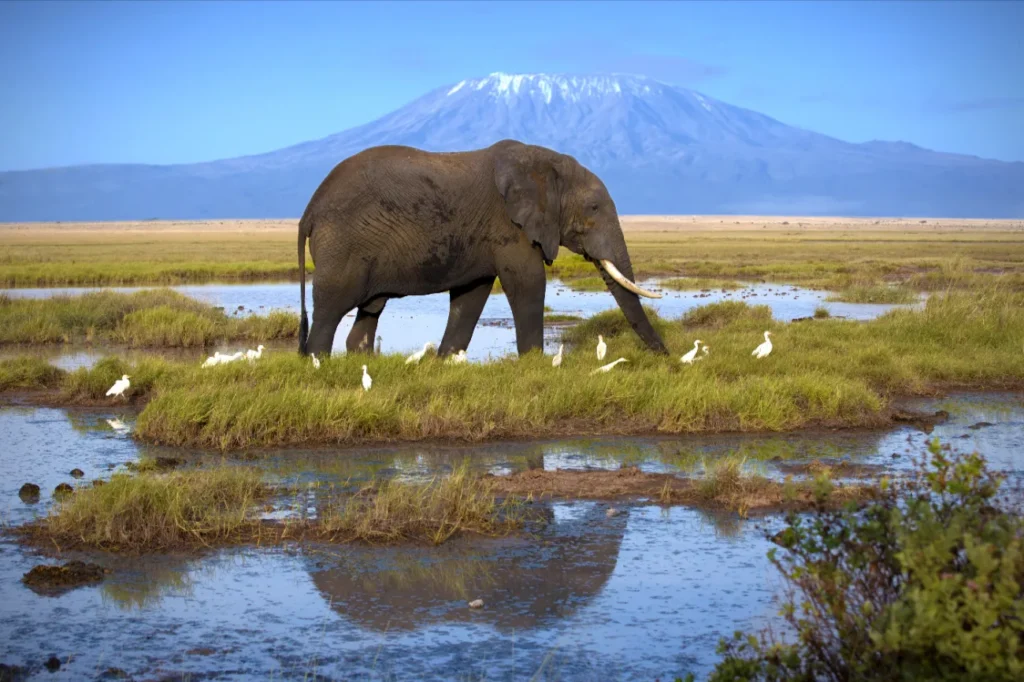
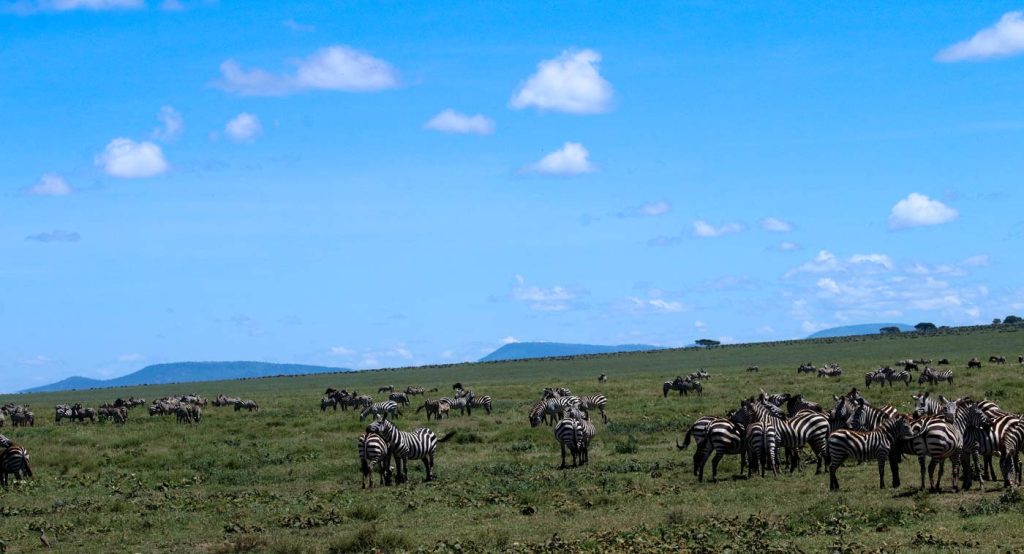
Because it holds no elephant and very few large predators, visitors are permitted to explore on foot or by bicycle among zebra, giraffe, buffalo, eland and warthog, which makes for a completely different experience from a vehicle-based safari.

The landscape is the other draw. Fischer’s Tower rises 25 metres at the entrance, the Hell’s Gate Gorge cuts deep into the valley floor with hot springs along its walls, and steam vents from the Olkaria geothermal field drift across the plain.

The park’s scenery is widely said to have influenced the landscapes in Disney’s The Lion King, and its combination of accessibility, dramatic rock and freedom to walk makes it one of Kenya’s most popular days out from Nairobi.
People and culture

People and culture

The Maasai grazed this stretch of the Rift long before the park was gazetted in 1984, and the name Hell's Gate comes from a narrow break in the cliffs that once served as a tributary of a prehistoric lake.

Olkaria, within the park boundary, is the site of Kenya's largest geothermal power development, and the plant supplies a substantial share of the country's electricity. Its presence inside a national park is unusual and has been debated at length.

Maasai communities on the park margins run cultural centres and guided walks, and bicycle hire at the gate is operated locally, so a day here puts money directly into the surrounding villages.

The gorge holds cultural significance for the Maasai, and guided descents include explanation of the site's meaning alongside the geology, which is worth taking rather than exploring alone.

Getting there

How to get there

Weather

Weather and climate in Hell’s Gate National Park

Hell's Gate sits at around 1,900 metres on the Rift Valley floor and is warmer and drier than the highlands either side. Days reach 24°C to 30°C and nights fall to 10°C to 14°C.

Month by month

High and low temperature and rainfall, shaded by how good the month is for a safari.

  • Jan

    29° / 12°

    40 mm

  • Feb

    30° / 12°

    45 mm

  • Mar

    29° / 13°

    80 mm

  • Apr

    27° / 14°

    150 mm

  • May

    26° / 13°

    110 mm

  • Jun

    25° / 11°

    40 mm

  • Jul

    24° / 10°

    25 mm

  • Aug

    25° / 10°

    30 mm

  • Sep

    27° / 11°

    30 mm

  • Oct

    28° / 12°

    50 mm

  • Nov

    27° / 13°

    120 mm

  • Dec

    28° / 12°

    70 mm

  • Excellent
  • Very good
  • Good
  • Fair
  • Avoid

Rain falls in two seasons, the long rains from March to May peaking in April and short rains through November. Annual rainfall is around 650 millimetres, low enough that the park is open grassland and scrub rather than woodland.

The valley floor is exposed and there is very little shade anywhere in the park, which matters a great deal given that most visitors walk or cycle rather than drive. The middle of the day is genuinely hot.

Flash flooding in the gorge is a real hazard during the rains, and the gorge is closed when rain is forecast. Several deaths have occurred there, so ranger instructions on the day are not advisory.

Flash flooding in the gorge is a real hazard during the rains, and it is closed whenever rain is forecast anywhere in the catchment, even when conditions at the gate look entirely clear.

Best time to go

Best time to visit Hell’s Gate National Park

Best months
Jan–Mar, Jun–Oct, Dec

Hell's Gate is a walking and cycling park, so timing turns on heat, shade and the safety of the gorge.

January to February and June to October are the drier windows and much the best, with firm ground, no flood risk in the gorge and reliable conditions for cycling the main track.

Early morning matters more than the month. The valley floor has almost no shade, and cycling the seven kilometres to the gorge in the middle of the day is genuinely hard work in full sun.

March to May and November bring the rains, when the gorge is periodically closed because of flash flooding. This is not a formality: several people have died there, and closures are enforced.

Whatever the month, start at the gate early, carry more water than you expect to need, and check the gorge status with rangers on arrival rather than assuming it will be open.

Whatever the month, start at the gate early, carry more water than you expect to need, and check the gorge status with rangers on arrival rather than assuming it will be open when you get there.

Things to do

Things to do in Hell’s Gate National Park

  1. Cycling the Park

    Main Track

    Ride among zebra, giraffe and buffalo, unique among Kenyan parks.

  2. Hell's Gate Gorge

    Lower Gorge

    A deep cut in the valley floor with hot springs along its walls.

  3. Fischer's Tower

    Park Entrance

    A 25-metre volcanic plug, climbed by rock climbers with guides.

  4. Olkaria Geothermal

    Within The Park

    Steam vents and Kenya's largest geothermal power development.

  5. Walking Safaris

    Open Plains

    Explore on foot without a vehicle, permitted because of the low predator numbers.

  6. Olkaria Geothermal Spa

    Olkaria

    A hot pool fed by the geothermal field, at the park's edge.

FAQ

Frequently asked questions

Can I really walk and cycle in Hell's Gate?

Yes, and it is the park's defining feature. Because there are no elephant and very few large predators, visitors are permitted to explore on foot or by bicycle among zebra, giraffe, buffalo, eland and warthog. Bicycles are hired at the gate. It is one of very few national parks anywhere in Africa where this is allowed, and it makes for a completely different experience. Bicycles are hired at the gate, and the main track runs roughly seven kilometres to the gorge.

Is the gorge safe?

In dry conditions yes, with a guide, but flash flooding during the rains is a genuine and lethal hazard. Several people have died in the gorge, and it is closed when rain is forecast anywhere in the catchment, even if conditions at the gate look clear. Check the status with rangers on arrival, take the guide, and treat any instruction to leave as non-negotiable. The valley floor has almost no shade, so an early start matters more here than at most Kenyan parks.

How do I get to Hell's Gate?

The park lies just south of Lake Naivasha, about 90 kilometres north-west of Nairobi and under two hours by road, which makes it one of the easiest day trips from the capital. Most visitors combine it with a night or two at Naivasha. The main Elsa Gate is a short drive from the lakeside hotels and campsites. Most visitors combine the park with a night or two at Lake Naivasha immediately to the north.

What wildlife will I see?

Zebra, giraffe, buffalo, eland, warthog, baboon and various antelope are all common on the open plains, and you will see them at close quarters on foot or by bike, which is the point. There are no elephant and very few predators, so this is not a Big Five destination. Raptors including Verreaux's eagle nest on the cliffs. Bicycles are hired at the gate, and the main track runs roughly seven kilometres to the gorge.

How long does a visit take?

Half a day covers the main track and the gorge comfortably by bicycle, allowing around seven kilometres each way plus the gorge walk. A full day allows a more relaxed pace, the Olkaria geothermal area and time at Fischer's Tower. Most visitors come from Naivasha in the morning and are back by mid-afternoon. The valley floor has almost no shade, so an early start matters more here than at most Kenyan parks.

Is it suitable for children?

Older children who can cycle seven kilometres in the sun will enjoy it a great deal, and the freedom to be out of a vehicle is a large part of that. Younger children will struggle with the distance and exposure, and the gorge descent involves scrambling. Vehicles are permitted, so families can drive the main track and walk only the gorge. Most visitors combine the park with a night or two at Lake Naivasha immediately to the north.

What is Fischer's Tower?

It is a volcanic plug rising about 25 metres near the park entrance, named after the German explorer Gustav Fischer who reached this area in 1883. It is a popular rock climbing site, and guided climbs are arranged at the gate for those with no experience. For everyone else it is the park's most recognisable landmark and the natural first stop. Bicycles are hired at the gate, and the main track runs roughly seven kilometres to the gorge.

When is the best time to visit?

January to February and June to October are the drier windows and much the best, with firm ground and no flood risk in the gorge. March to May and November bring the rains, when the gorge is periodically closed. More important than the month is the hour: start early, because the valley floor has almost no shade and midday cycling is punishing. The valley floor has almost no shade, so an early start matters more here than at most Kenyan parks.

Explore other destinations

All destinations