Tanzania

Saadani National Park

When to visit
June to September
Size
1,100 sq km
Temperature
29 'C
Rainfall
25mm
Age requirement
12 Year

Overview

About Saadani National Park

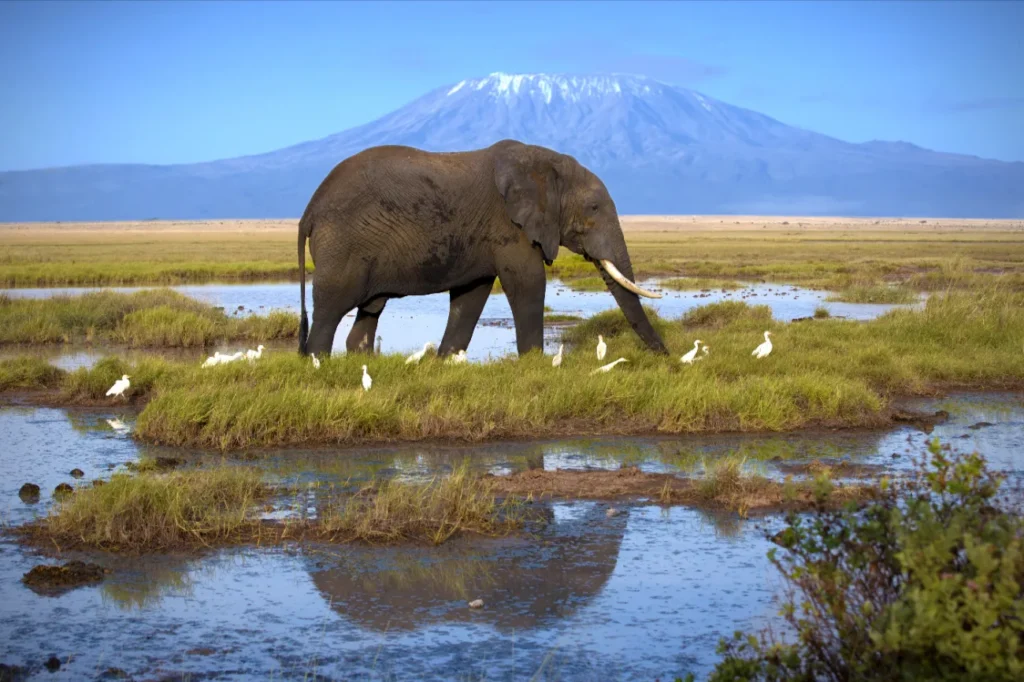
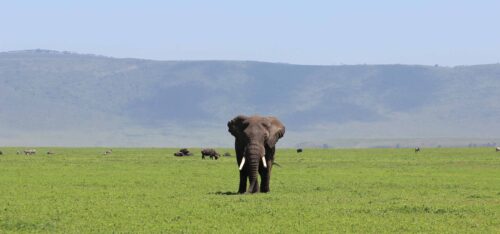
Saadani National Park is the only national park in Tanzania to front the Indian Ocean, and that single fact defines it: elephant and buffalo tracks cross the sand with the surf breaking a few metres away.

Covering around 1,100 square kilometres of coastal savanna, thicket, mangrove, river and beach north of Bagamoyo, the park combines conventional game viewing with a boat safari up the Wami River and genuine beach time in a way nowhere else in the country manages.

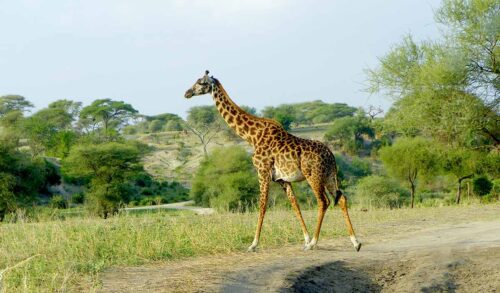
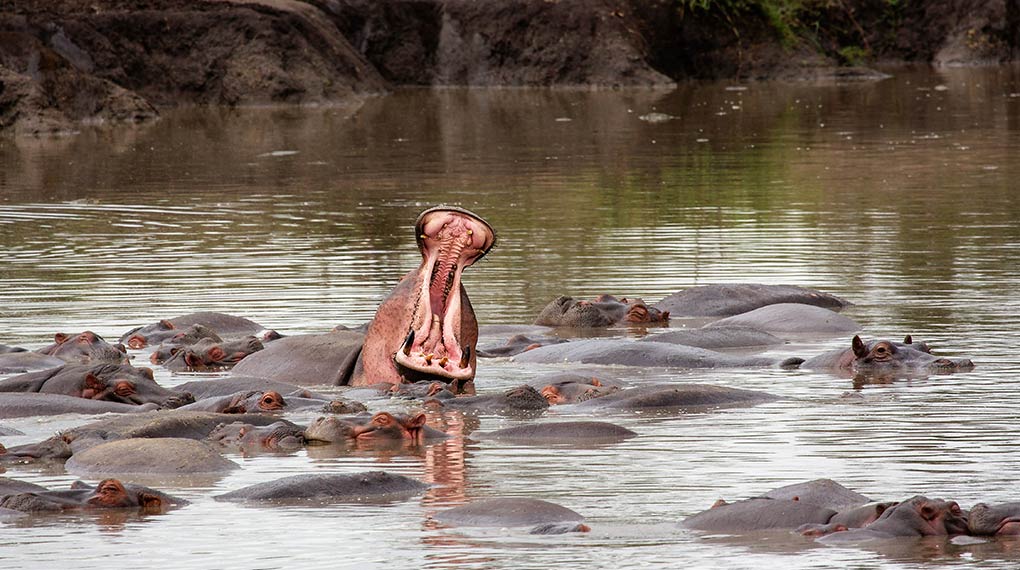
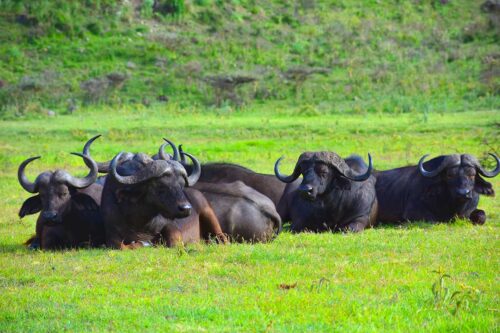
Elephant, buffalo, Masai giraffe, waterbuck, warthog, hartebeest and both greater kudu and the diminutive red duiker occur in the coastal savanna. Lion and leopard are present but genuinely scarce. Green turtles come ashore to nest on the park’s beaches between June and September, and hippo and crocodile crowd the Wami.

Saadani village inside the park boundary was a working port on the nineteenth-century slave and ivory routes, and the ruins of that period still stand. The park lies about four hours north of Dar es Salaam by road, or thirty minutes by light aircraft from Zanzibar, which makes it an unusually easy addition to a coastal trip.
People and culture

People and culture

Saadani village was a significant port through the nineteenth century, a departure point on the caravan routes that carried ivory and enslaved people from the interior to the coast and on to Zanzibar. The remains of the old customs house and other buildings of that era still stand within the park boundary.

Bagamoyo, a short distance south, carries the same history in far greater concentration and is one of the most important historical sites on the East African coast, with its German colonial buildings, the old mission and the Caravan Serai museum.

The Zaramo and Doe are the main communities along this stretch of coast, and Swahili culture is strong throughout, shaped by centuries of monsoon trade with Arabia, India and the wider Indian Ocean world. Fishing remains the mainstay of village life outside the park.

Village visits, boat-building yards where dhows are still made by hand, and the old port ruins are usually arranged through the lodges, several of which work directly with the surrounding communities. The park's establishment involved relocating some settlements, and that history is worth understanding when visiting.

Wildlife encounters

Wildlife encounters

Saadani is the only national park in Tanzania that fronts the Indian Ocean, and the combination is its whole appeal: elephant and buffalo tracks across a beach, with the surf a few metres away.

Elephant, buffalo, Masai giraffe, waterbuck, warthog, hartebeest and both greater kudu and the diminutive red duiker occur in the coastal savanna and thicket. Lion and leopard are present but genuinely scarce and rarely seen. Green turtles nest on the beaches between June and September, and hippo and crocodile crowd the Wami River.

Common wild animals

  • African Elephant

    Common

  • African Buffalo

    Common

  • Giraffe

    Common

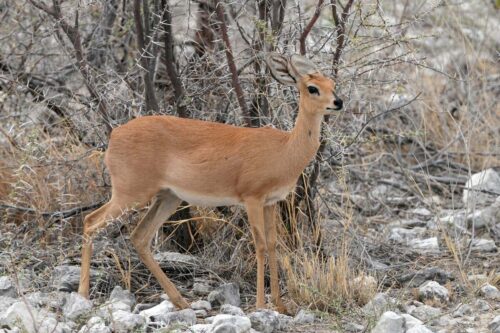
  • Dik-dik

    Occasional

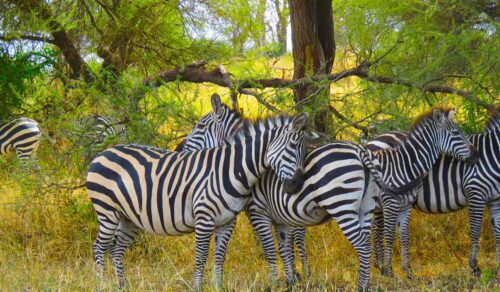
  • Plain Zebra

    Occasional

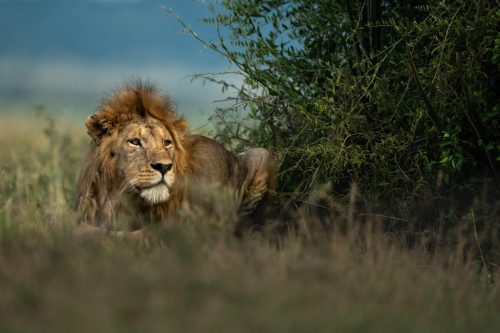
  • African Lion

    Rare

  • Leopard

    Rare

Birdlife

Birdlife

The park's mix of ocean, river, mangrove and savanna gives it an unusually varied bird list for its size, with well over 300 species recorded.

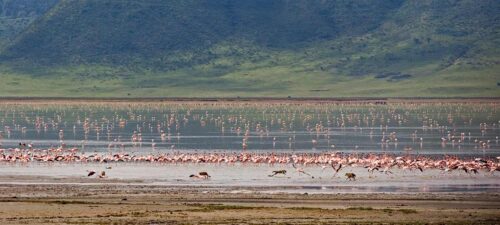
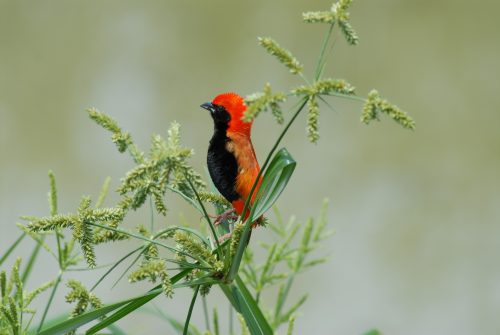
Mangrove kingfisher, fish eagle, lesser flamingo on the salt pans, and a wide range of waders and terns along the shore are all regular. The Wami River boat trip is the most productive birding on offer.

Common bird species

  • African Fish Eagle

    Common

  • Flamingo

    Occasional

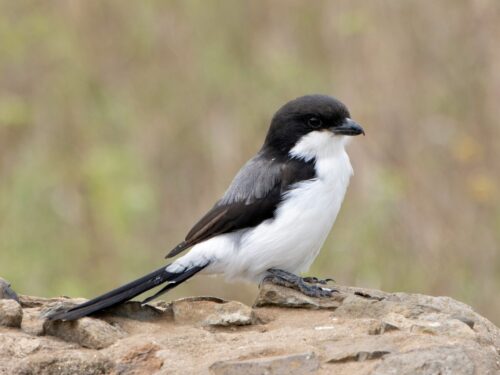
  • Common Fiscal

    Common

  • Yellow-billed Hornbill

    Occasional

  • Bateleur

    Occasional

Getting there

How to get there

By Car

Saadani lies roughly 130 kilometres north of Dar es Salaam and about 60 kilometres north of Bagamoyo. The drive takes four to five hours, and the final stretch is unsurfaced and slow. From Tanga in the north the approach is via Pangani.

By Air

Light aircraft serve the Saadani airstrip from Dar es Salaam and Zanzibar, a flight of around 30 minutes, which many visitors prefer given the state of the road.

Weather

Weather and climate in Saadani National Park

Saadani has a hot, humid tropical coastal climate with far less seasonal variation in temperature than in rainfall. Days sit between 28°C and 33°C year-round and nights stay warm, rarely below 20°C, with the sea breeze doing most of the work of making it comfortable.

Month by month

High and low temperature and rainfall, shaded by how good the month is for a safari.

  • Jan

    32° / 24°

    80 mm

  • Feb

    33° / 24°

    60 mm

  • Mar

    32° / 24°

    130 mm

  • Apr

    30° / 23°

    240 mm

  • May

    29° / 23°

    180 mm

  • Jun

    29° / 21°

    45 mm

  • Jul

    28° / 20°

    30 mm

  • Aug

    28° / 20°

    25 mm

  • Sep

    29° / 21°

    25 mm

  • Oct

    30° / 22°

    50 mm

  • Nov

    31° / 23°

    100 mm

  • Dec

    32° / 24°

    110 mm

  • Excellent
  • Very good
  • Good
  • Fair
  • Avoid

The long rains fall from March to May, with April by far the wettest at around 240 millimetres. This is the one period when a visit becomes genuinely awkward: the unsurfaced approach road can become impassable, some lodges close, and humidity is at its most oppressive.

The short rains arrive in November and December, considerably lighter and usually confined to afternoon storms. Annual rainfall is around 900 millimetres, and the coastal thicket stays green far longer than inland savanna.

June to October is drier, noticeably cooler and the most pleasant period to visit. Pack strong sun protection against the combination of equatorial sun and sea reflection, along with shoes suitable for both beach and bush.

Insect repellent matters year-round here, as the coastal lowlands are a high-transmission malaria zone.

Best time to go

Best time to visit Saadani National Park

Best months
Jan–Feb, Jun–Dec

Saadani's calendar is driven by humidity and road access rather than by wildlife concentration, which sets it apart from Tanzania's inland parks.

June to October is the most comfortable and reliable window. Humidity drops noticeably, nights cool, roads stay firm and general game viewing is at its best. It also overlaps with the green turtle nesting season, roughly June to September on the park's beaches.

January and February form a second workable window: hot and humid but largely dry, with calm seas and good conditions for the Wami River boat safari.

April and May are best avoided altogether. Rainfall peaks, the unsurfaced approach road can become impassable and some lodges close for the season.

November and December sit between the two, with short afternoon showers, warm seas and lower rates.

Whichever season you choose, the sea breeze along the shore makes the coast markedly more bearable than the humidity figures alone would suggest, and the lodges front the water directly so you are never far from it. Turtle nesting between June and September is a genuine bonus of the main window.

Safety

Safety and security

Wildlife on the beach is the unusual hazard here. Elephant and buffalo move between the bush and the shore, so do not walk the beach at night and check with lodge staff before setting out at any hour.

The Wami River holds crocodile and hippo; swimming there is prohibited. Ocean swimming is generally safe near the lodges, but ask about currents. Tsetse fly are present inland. Roads deteriorate sharply during the rains and the final approach can become impassable.

Health precautions

The coastal lowlands are a high-transmission malaria zone, so prophylaxis is essential and should start before you travel. Humidity keeps mosquitoes active, so use repellent and nets consistently.

Consult a travel clinic about yellow fever, typhoid, hepatitis A and B and tetanus. Bagamoyo and Dar es Salaam have the nearest hospitals. Bring strong sun protection: the combination of equatorial sun and sea reflection burns quickly.

Things to do

Things to do in Saadani National Park

  1. Beach and Bush

    Saadani Shore

    The only Tanzanian park where game tracks cross an ocean beach.

  2. Wami River Boat Safari

    Wami River · Mangroves

    Hippo, crocodile and mangrove kingfishers from the water.

  3. Green Turtle Nesting

    Northern Beaches

    Green turtles come ashore to nest between June and September.

  4. Game Drives

    Coastal Savanna

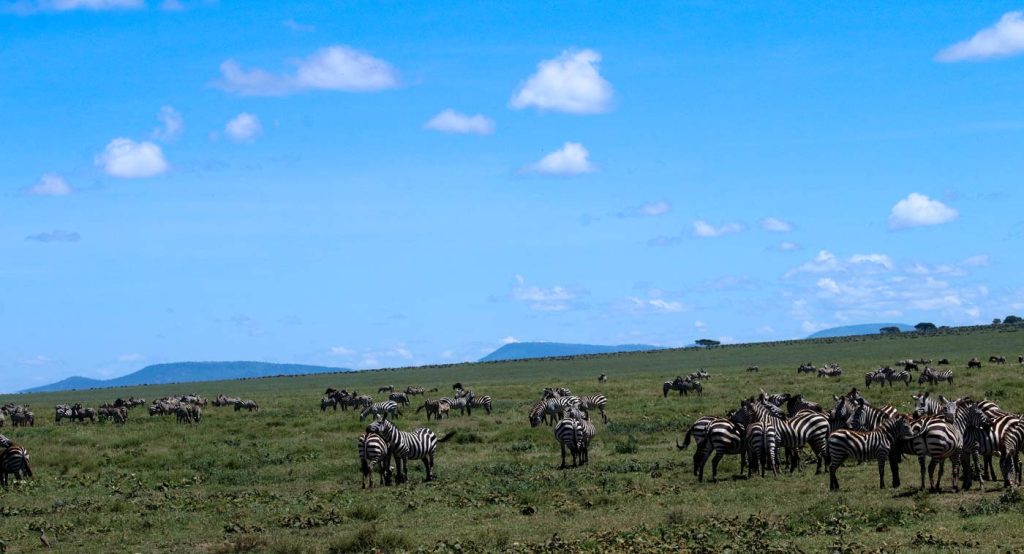
    Elephant, buffalo, giraffe and waterbuck in open coastal grassland.

  5. Saadani Village

    Old Port Ruins

    A nineteenth-century port on the old slave and ivory routes.

  6. Birdwatching

    Salt Pans · Mangroves

    Over 300 species across ocean, river, mangrove and savanna.

  7. Walking Safari

    River Sectors

    Short guided walks with an armed ranger through coastal thicket.

  8. Bagamoyo Day Trip

    Bagamoyo, South Of Park

    Stone town, German colonial buildings and the old mission.

FAQ

Frequently asked questions

What makes Saadani unique among Tanzanian parks?

It is the only national park in Tanzania that borders the Indian Ocean, and that single fact defines the visit. Elephant and buffalo move between coastal thicket and the shoreline, so it is entirely possible to see game tracks crossing a beach with surf breaking behind them. The park combines savanna game viewing, a river boat safari through mangroves, and genuine beach time in a way nowhere else manages. No other Tanzanian park lets you finish a game drive with a swim in the Indian Ocean.

Can I combine Saadani with a beach holiday?

That is precisely how most people use it. The park sits about 130 kilometres north of Dar es Salaam and 60 kilometres north of Bagamoyo, and the lodges front the ocean directly, so a stay works as a short safari and a beach break at once. It also pairs naturally with Zanzibar, a thirty-minute light aircraft flight away, or with Bagamoyo's historic stone town. Several lodges sit directly on the sand, so the transition from game drive to beach takes minutes rather than hours.

What wildlife will I actually see?

Elephant, buffalo, Masai giraffe, waterbuck, warthog, hartebeest and both greater kudu and red duiker are all reasonably reliable in the coastal savanna. Hippo and crocodile are abundant on the Wami River. Lion and leopard occur but are genuinely scarce, so Saadani is not the park for a Big Five checklist. Green turtles nest on the beaches between June and September. Sable antelope and eland occur in the western sectors, and the coastal thicket holds bushbuck and suni for anyone looking carefully.

When is the best time to visit Saadani?

June to October is the most comfortable window, with lower humidity, firm roads and good general game viewing, and it overlaps with the turtle nesting season. January and February are hot but largely dry and work perfectly well. April and May are best avoided altogether: rainfall peaks, the unsurfaced approach road can become impassable, and some lodges close for the season. Humidity is the deciding factor for most visitors, and it is noticeably lower between June and September than at any other point in the year.

How do I get to Saadani National Park?

By road it is four to five hours from Dar es Salaam, with the final stretch unsurfaced and slow going, particularly after rain. Many visitors prefer to fly: light aircraft serve the Saadani airstrip from both Dar es Salaam and Zanzibar in around thirty minutes. From the north, the park is reached via Tanga and Pangani. A 4×4 is necessary for the road approach. Most lodges will arrange the transfer for you, which is worth accepting given how poor the final section of road becomes after rain.

Is the Wami River boat safari worth doing?

It is the single best activity in the park and worth building a day around. The trip runs upriver through mangrove channels, bringing you close to hippo pods, crocodile basking on the banks, and exceptional birdlife including mangrove kingfisher and fish eagle. Early morning departures give the best light and the most activity. Trips are arranged through the lodges and typically last two to three hours. Trips are arranged through the lodges and typically last two to three hours, with early departures giving the best light.

Can I swim at Saadani?

Yes, in the sea near the lodges, and it is one of the reasons people come. Ask about currents before going in, as conditions vary along the shore. Do not swim in the Wami River under any circumstances, as it holds both crocodile and hippo. Take care walking the beach after dark, since elephant and buffalo move between the bush and the shore at night. Take particular care walking the beach after dark, since elephant and buffalo move between the bush and the shore at night.

How many days should I spend at Saadani?

Two to three nights suits the park well. That allows a morning game drive, the Wami River boat safari, a visit to Saadani village and the old port ruins, and still leaves genuine time on the beach, which is much of the point. Visitors treating it purely as a safari stop tend to feel one night is enough; those treating it as a combined bush and beach break stay longer.

Recommended tours

Explore Saadani National Park with these recommended tours.

All tours in Saadani National Park

Discover Saadani National Park

Everything we list for Saadani National Park, in one place.

Explore other destinations

All destinations