The Ngorongoro Conservation Area covers 8,292 square kilometres of highland, crater and plain between Lake Manyara and the Serengeti, and is one of the few places on earth recognised by UNESCO for both its natural and its cultural value.
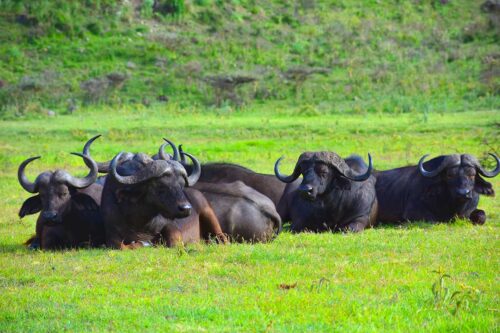
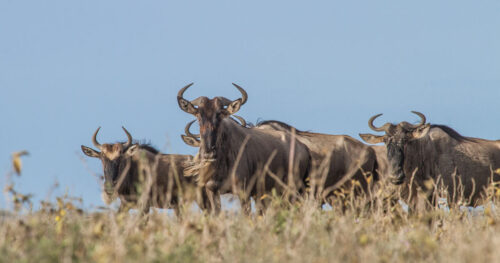
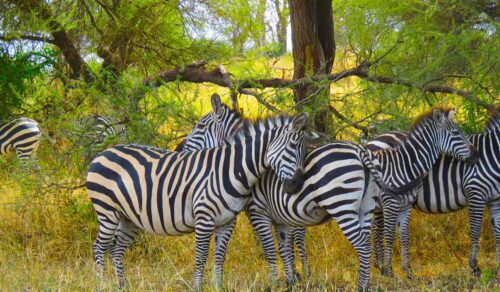
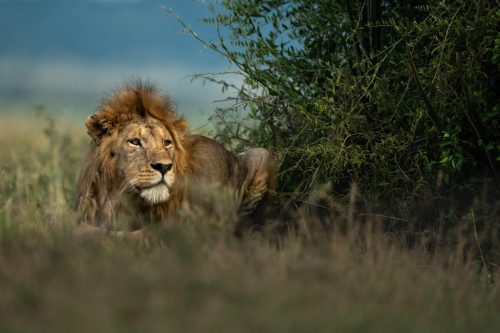
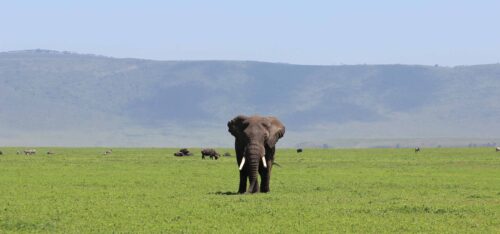
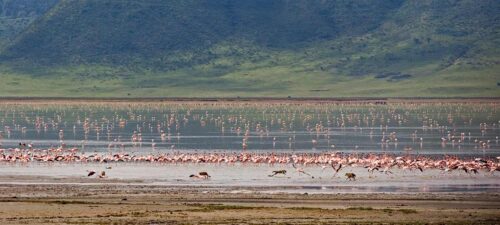
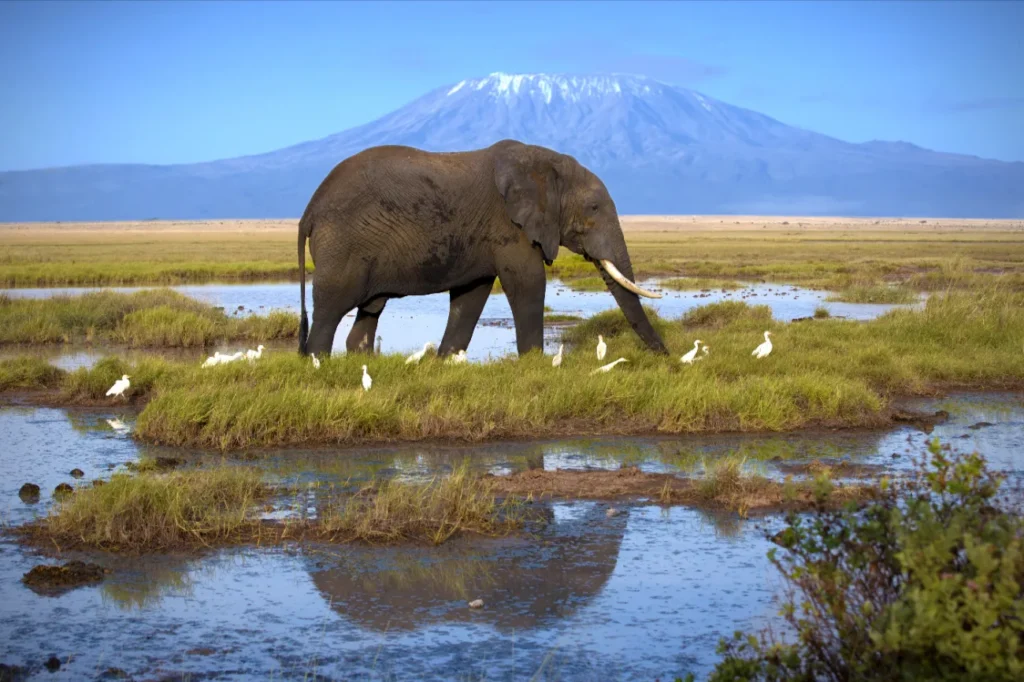
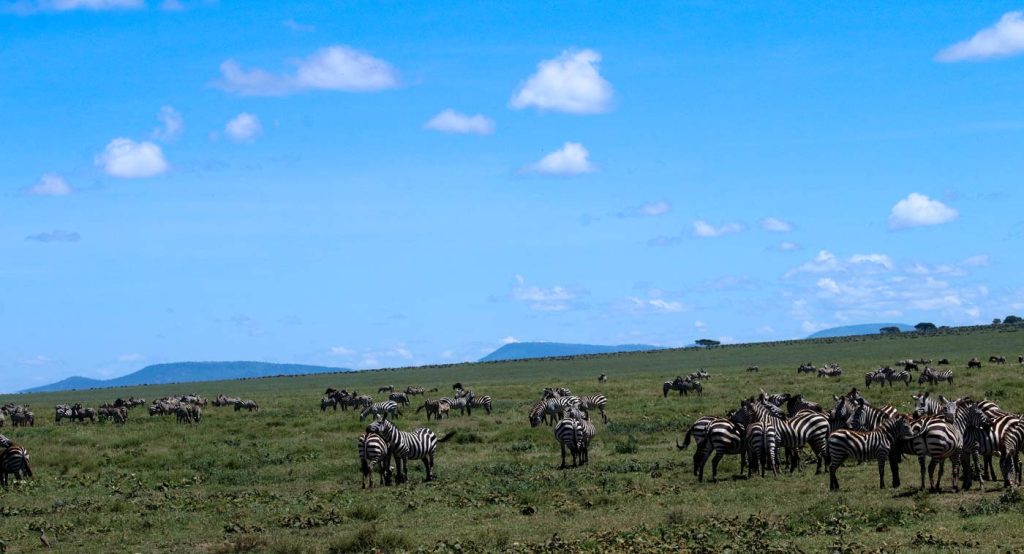
Its centrepiece is the Ngorongoro Crater, the largest intact volcanic caldera in the world, where some 25,000 large animals live year-round on a floor of 260 square kilometres. But the conservation area is far larger than the crater alone, taking in the Empakaai and Olmoti craters, the Ndutu plains and the highland forests.
Olduvai Gorge on the eastern plains is among the most important palaeoanthropological sites anywhere, where the Leakeys uncovered hominin remains spanning nearly two million years, and the Laetoli footprints nearby are the oldest direct evidence of upright walking yet found.
What makes Ngorongoro genuinely unusual is that people live inside it. Around 100,000 Maasai graze cattle across the area under a multiple-use arrangement that has held, with friction, since 1959, making this a working cultural landscape rather than a fenced reserve.