Ruaha National Park is the largest in Tanzania, a vast wilderness of baobab, miombo woodland and sand rivers covering more than 20,000 square kilometres in the centre-south of the country.
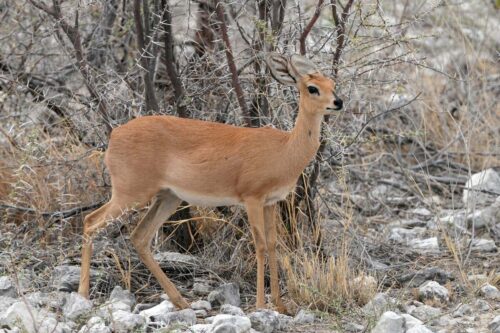
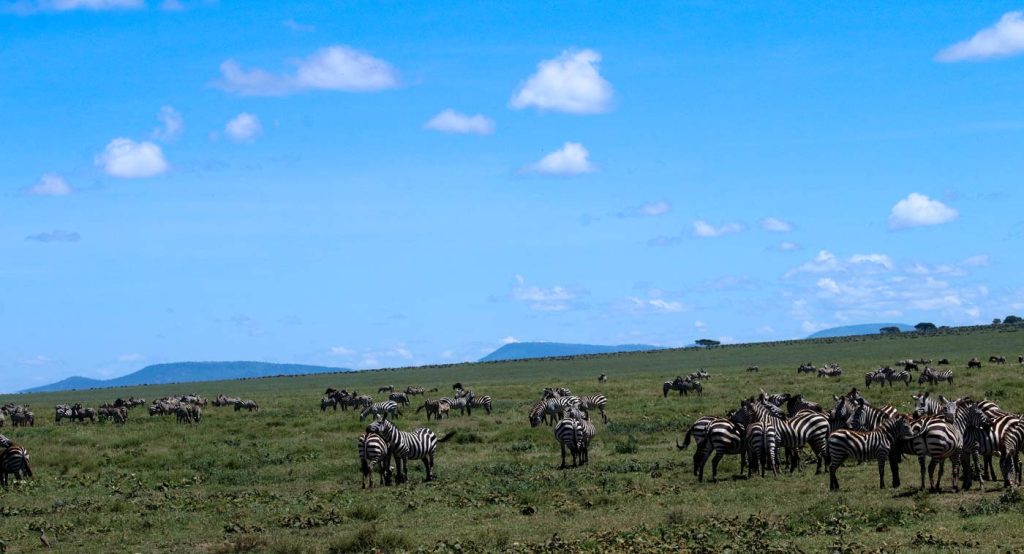
Its defining characteristic is biogeographical. Ruaha sits on a transition zone where East and Southern African species overlap, which is why it holds animals the northern circuit simply does not. It is the most reliable place in Tanzania to see both greater and lesser kudu, and sable and roan antelope occur here alongside more familiar plains game.
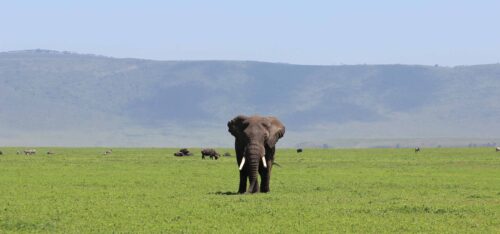
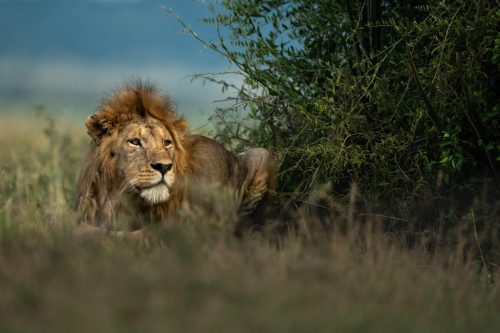
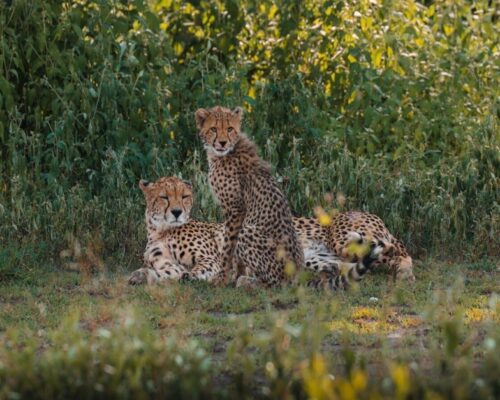
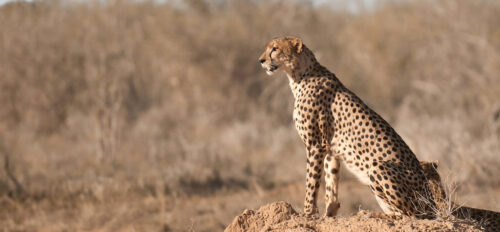
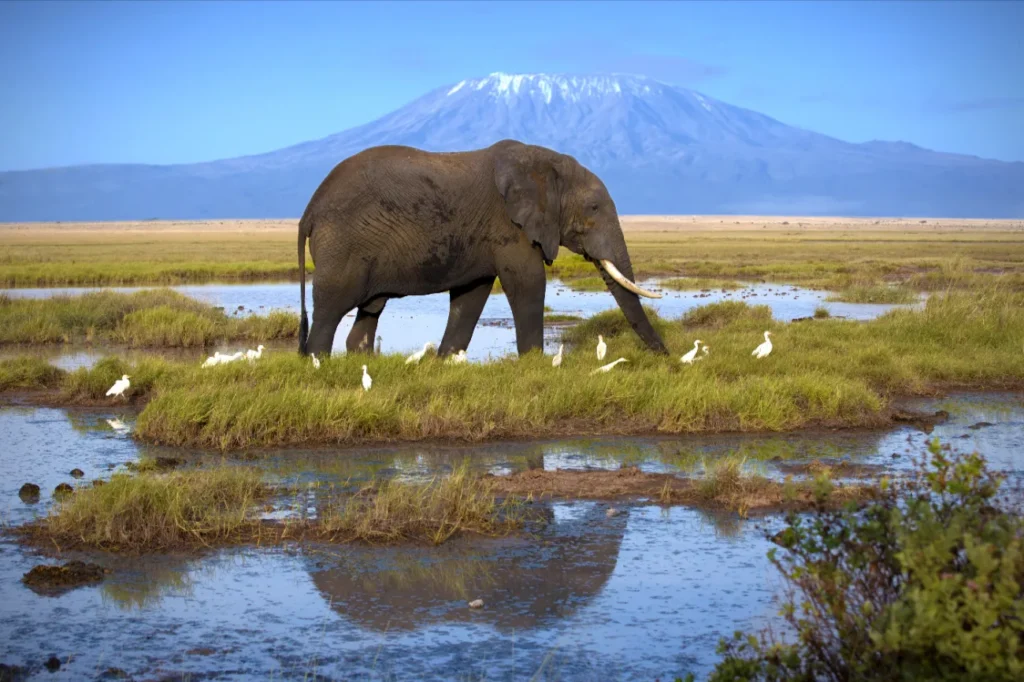
The park holds one of East Africa’s most significant elephant populations, and its lion prides are unusually large, with groups of twenty or more recorded. Leopard and cheetah are both present, and wild dog range across the miombo. The Great Ruaha River is the park’s spine, drawing game to its shrinking pools through the long dry season.
Despite its size and its wildlife, Ruaha receives a fraction of the visitors of the northern parks. Sightings are rarely shared with other vehicles, and the sense of genuine wilderness is much stronger than anything the Serengeti or Ngorongoro can offer in peak season.