10 Days | 9 Nights
Tanzania
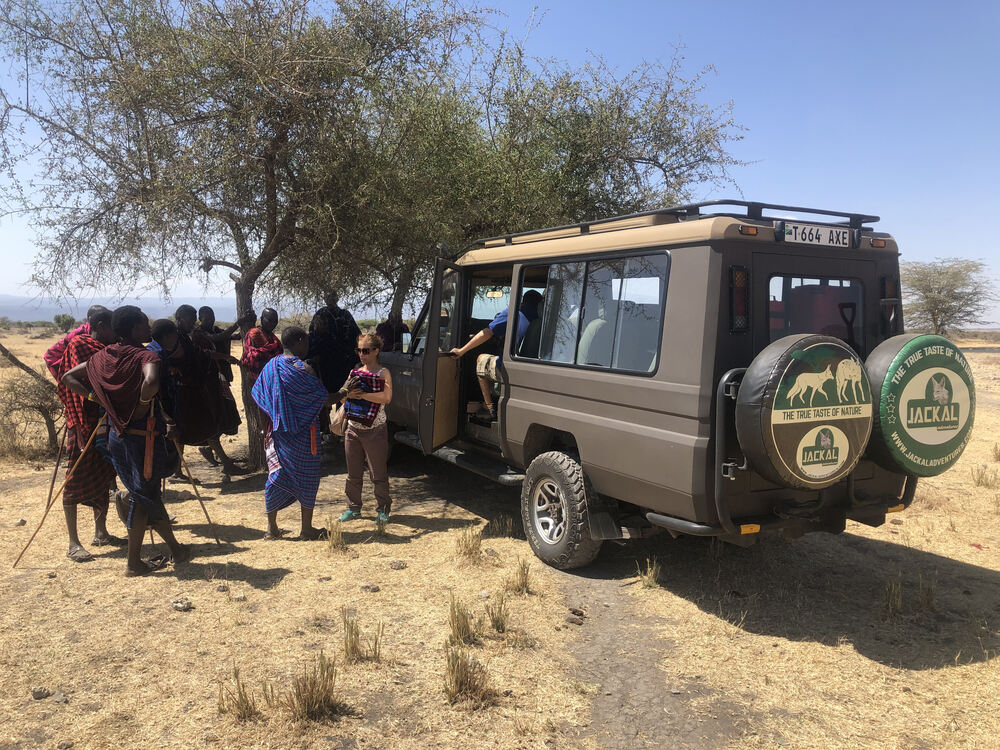
10 Days Jackal Adventure Luxury Safari
Arusha, Lake Manyara, Ngorongoro Crater, Serengeti, Lake Eyasi
From $5,120 USD per person
Compare tour packages that visit Lake Eyasi, from local tour operators. Check prices, itineraries and reviews, then send an enquiry.
Showing 13–13 of 13 tours
10 Days | 9 Nights
Tanzania
Arusha, Lake Manyara, Ngorongoro Crater, Serengeti, Lake Eyasi
From $5,120 USD per person
Plan your trip
When to go, how safe it is and the questions travellers ask most about Lake Eyasi.
Eyasi is visited for its people rather than its wildlife, so the calendar is about access and heat rather than game concentrations.
June to October is the dry season and the most straightforward time to visit, with firm roads from Karatu and reliable access to the Hadzabe camps. It is also when the lake is at its most reduced.
December to February is hot and largely dry, and works well, with fewer visitors than the mid-year peak passing through from the Ngorongoro circuit.
March to May brings the long rains, when the road down from Karatu can become difficult and the lake rises, sometimes drawing substantial flamingo flocks.
Whatever the month, start before dawn. Hadzabe hunting happens in the first hours of light, and arriving mid-morning means seeing a demonstration rather than the real thing, which is the difference between a worthwhile visit and a staged one.
Whatever the month, start before dawn. Hadzabe hunting happens in the first hours of light, and arriving mid-morning means seeing a demonstration rather than the real thing, which is the whole difference between a worthwhile visit and a staged one.
Month by month
Jan
35°
25 mm
Feb
36°
20 mm
Mar
35°
60 mm
Apr
33°
100 mm
May
32°
50 mm
Jun
31°
10 mm
Jul
30°
5 mm
Aug
31°
5 mm
Sep
33°
10 mm
Oct
34°
30 mm
Nov
33°
80 mm
Dec
34°
45 mm
FAQ8 questions
What travellers ask most before booking a safari in Lake Eyasi, answered by local experts.
Read the full Lake Eyasi guideThey are one of the last hunter-gatherer peoples in Africa, numbering around a thousand and living around Lake Eyasi. They speak a click language with no established relationship to any other language family, hunt with bow and arrow, and forage for tubers, berries and honey. Genetic studies suggest they represent one of the oldest continuous human lineages, which is part of what makes a visit so remarkable. Choose an operator with a long-standing relationship with a specific community rather than booking on the day.
It can be, and it can also be exploitative, which is why the choice of operator matters more here than almost anywhere. Look for operators with long-standing relationships with a specific community, ask directly how fees are shared, and go before dawn when a genuine hunt is happening. Mid-morning arrivals typically get a performance staged for visitors rather than anything real. Most visitors come as a half-day trip from Karatu, leaving around four in the morning to arrive before light.
Before dawn, without qualification. Hadzabe hunting takes place in the first hours of light, and joining a party as they set out is a completely different experience from arriving at nine to watch a demonstration. It means leaving Karatu around four in the morning, which is demanding but is the entire difference between a worthwhile visit and a staged one. The lake fluctuates enormously between years, so its appearance varies far more than most visitors expect.
Most visitors come from Karatu, about 60 kilometres and two hours by road on rough tracks that require a 4×4, often as a day trip from a Ngorongoro-circuit lodge. The road descends steeply off the escarpment into much hotter country. Some itineraries visit en route between Ngorongoro and the Serengeti's southern plains, though this adds a substantial detour. Choose an operator with a long-standing relationship with a specific community rather than booking on the day.
They are Nilotic-speaking pastoralists living around Lake Eyasi, distinct from both the Hadzabe and the Maasai, and are known across the region for metalworking. Their blacksmiths forge arrowheads, knives and ornaments from scrap metal in open hearths, and trade arrowheads to the Hadzabe. Visits to Datoga homesteads are usually combined with a Hadzabe morning and add useful contrast. Most visitors come as a half-day trip from Karatu, leaving around four in the morning to arrive before light.
Very little in conventional terms. This is dry acacia scrub with limited large game, and the area is not a safari destination. When the lake holds water it draws flamingo and pelican, sometimes in numbers, and dry-country birds are present year-round. Come for the Hadzabe and the Datoga, and treat any wildlife as incidental rather than a reason to visit. The lake fluctuates enormously between years, so its appearance varies far more than most visitors expect.
A Hadzabe and Datoga morning takes around four to five hours including travel from Karatu, so most visitors treat it as a half day and return the same afternoon. Staying overnight at one of the camps near the lake allows a more relaxed pace and an earlier start, which materially improves the experience, and adds time for the lakeshore and the escarpment. Choose an operator with a long-standing relationship with a specific community rather than booking on the day.
June to October is the dry season and the most straightforward, with firm roads from Karatu and reliable access to the camps. December to February is hot and largely dry and works well, with fewer visitors. March to May brings the long rains, when the descent road can become difficult, though the lake rises and sometimes draws substantial flamingo flocks. Most visitors come as a half-day trip from Karatu, leaving around four in the morning to arrive before light.
Everything we list for Lake Eyasi, in one place.
0 Tours
6 Tours
0 Tours
82 Tours
0 Tours
0 Tours
0 Tours
0 Tours