11 Days | 10 Nights
Tanzania · Kenya
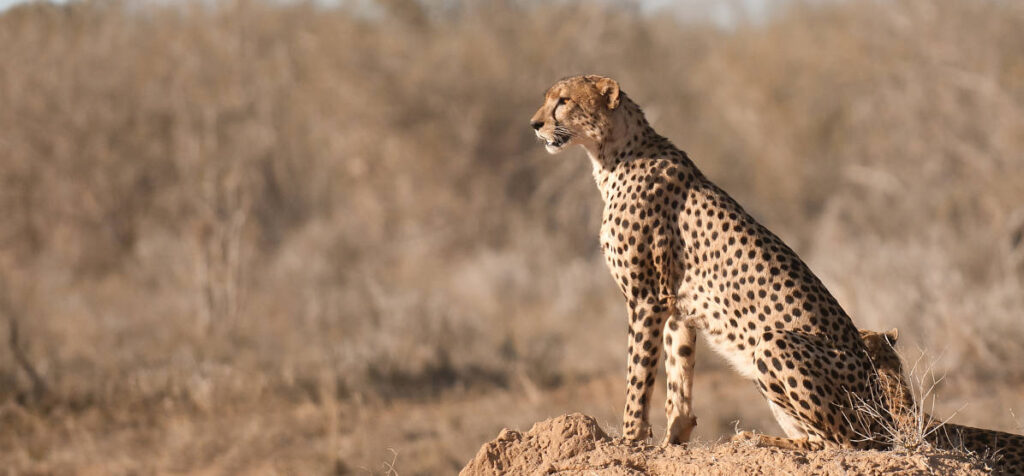
11 Days Spirit & Soul of Africa (Tanzania/Kenya) – Luxury
5/52 reviews
Lake Manyara, Serengeti, Nairobi, Lake Nakuru, Maasai Mara, Amboseli
From $6,700 USD per person
Compare tour packages that visit Lake Manyara National Park, from local tour operators. Check prices, itineraries and reviews, then send an enquiry.
Showing 1–12 of 85 tours
11 Days | 10 Nights
Tanzania · Kenya
5/52 reviews
Lake Manyara, Serengeti, Nairobi, Lake Nakuru, Maasai Mara, Amboseli
From $6,700 USD per person
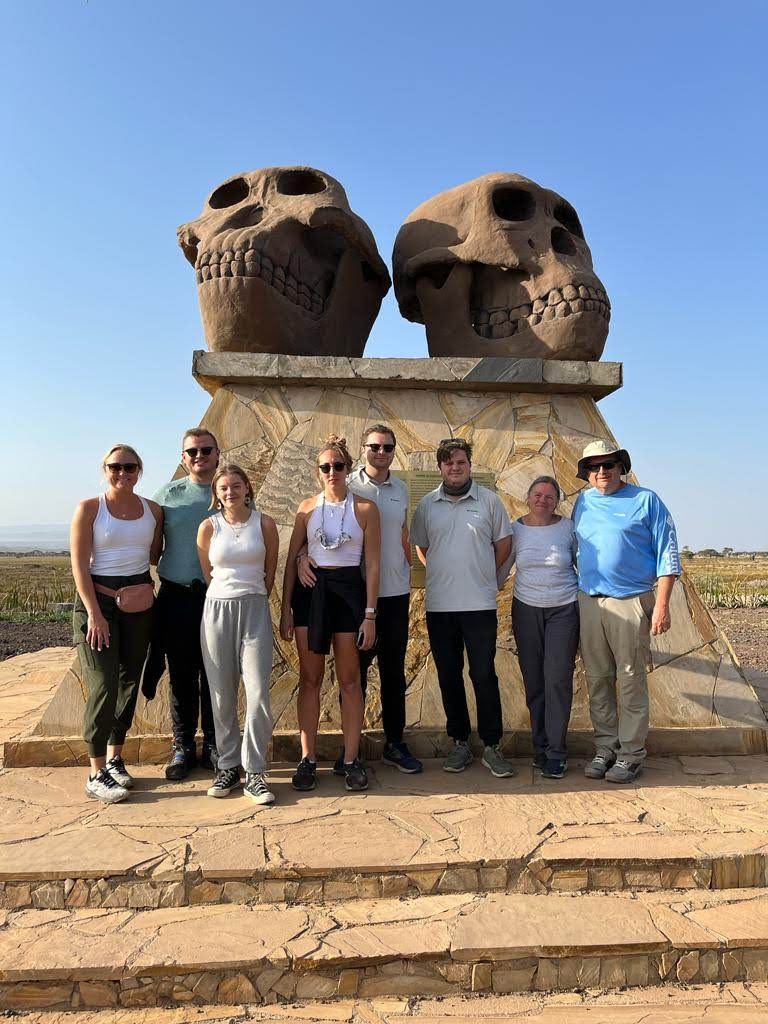
12 Days | 11 Nights
Tanzania · Kenya
5/52 reviews
Lake Manyara, Ngorongoro Crater, Lake Nakuru, Maasai Mara, Amboseli
From $6,500 USD per person
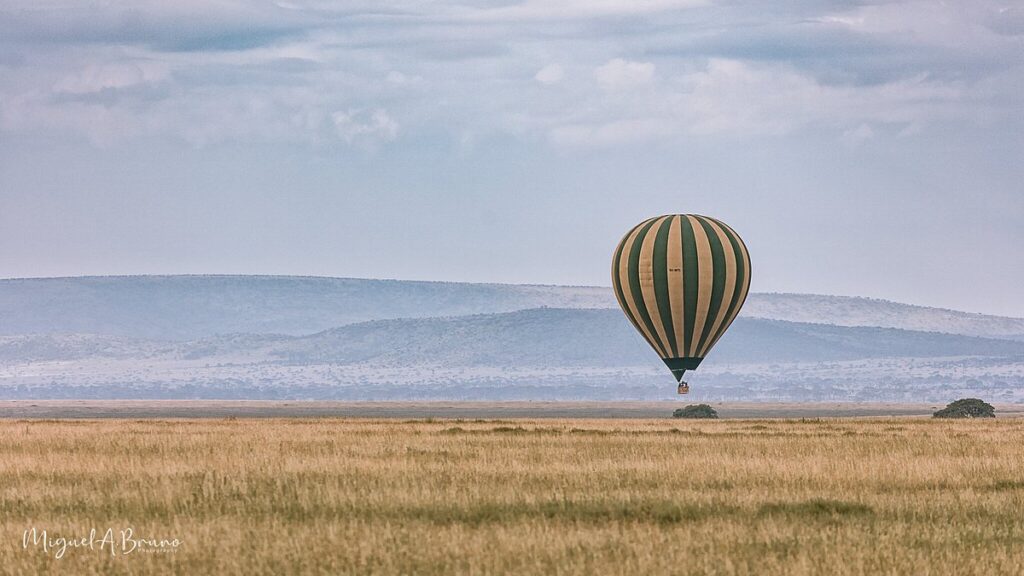
11 Days | 10 Nights
Tanzania
5/52 reviews
Lake Manyara, Ngorongoro Crater, Serengeti, Zanzibar
From $12,640 USD per person
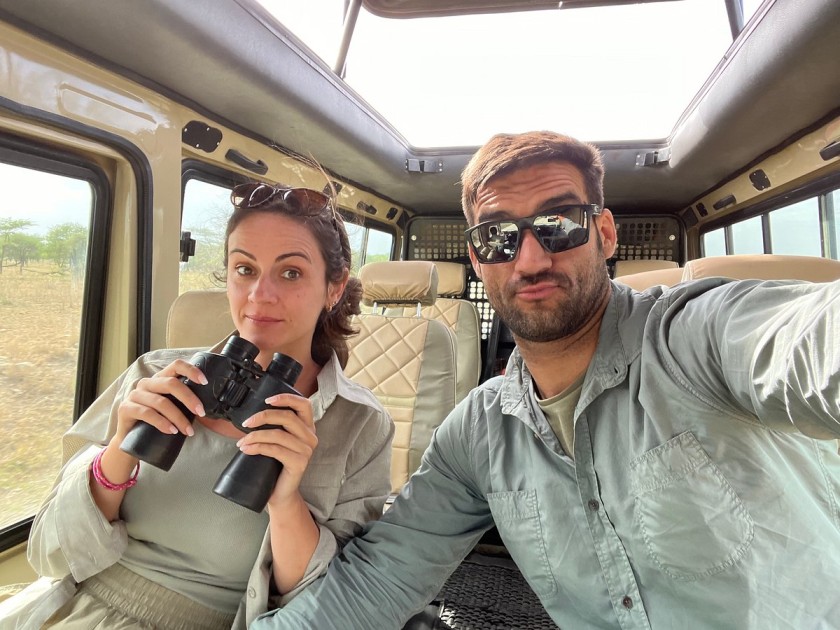
6 Days | 5 Nights
Tanzania
5/52 reviews
Lake Manyara, Ngorongoro Crater, Serengeti
From $3,883 USD per person
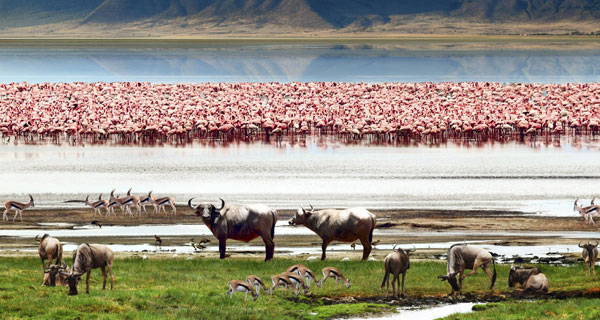
4 Days | 3 Nights
Tanzania
5/51 review
Lake Manyara, Ngorongoro Crater
From $1,481 USD per person
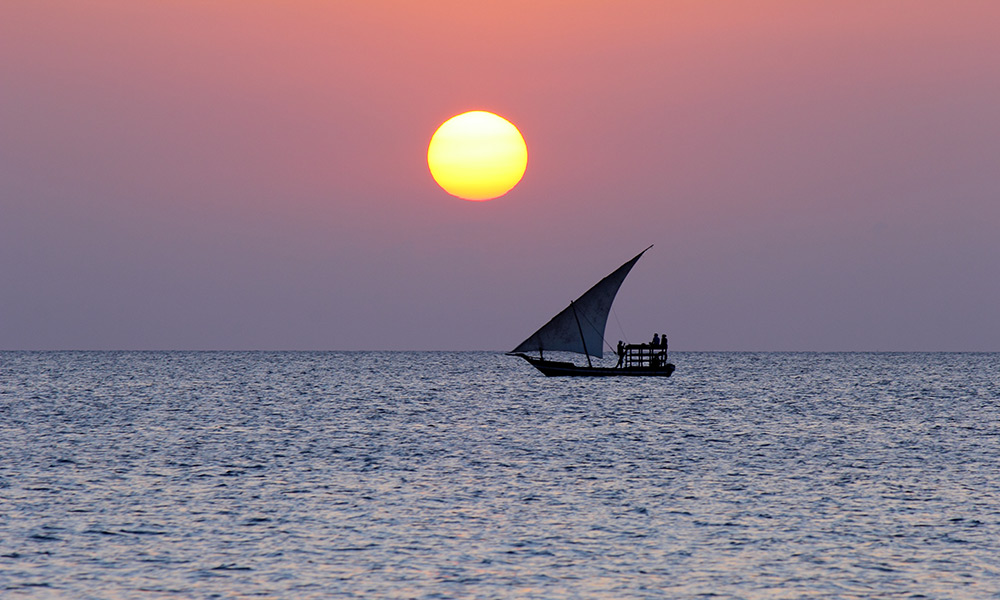
6 Days | 5 Nights
Tanzania
5/51 review
Lake Manyara, Ngorongoro Crater, Serengeti
From $3,257 USD per person
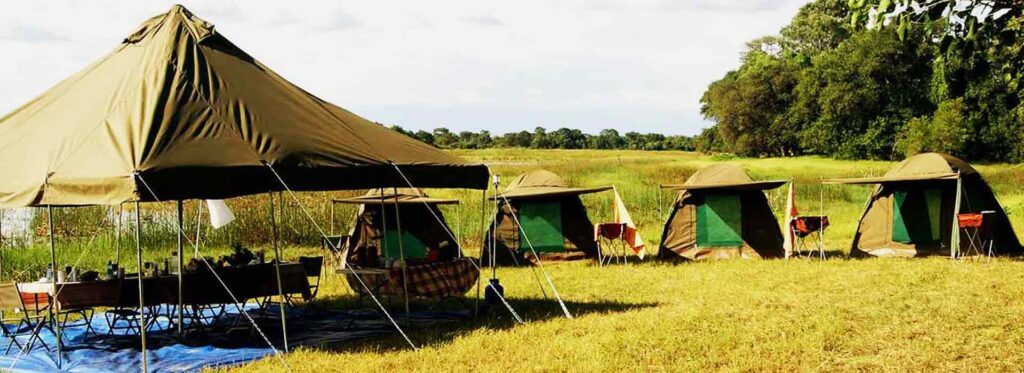
3 Days | 2 Nights
Tanzania
5/51 review
Lake Manyara, Ngorongoro Crater
From $645 USD per person
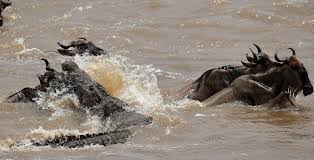
8 Days | 7 Nights
Tanzania
5/52 reviews
Tarangire, Lake Manyara, Ngorongoro Crater, Serengeti
From $3,980 USD per person
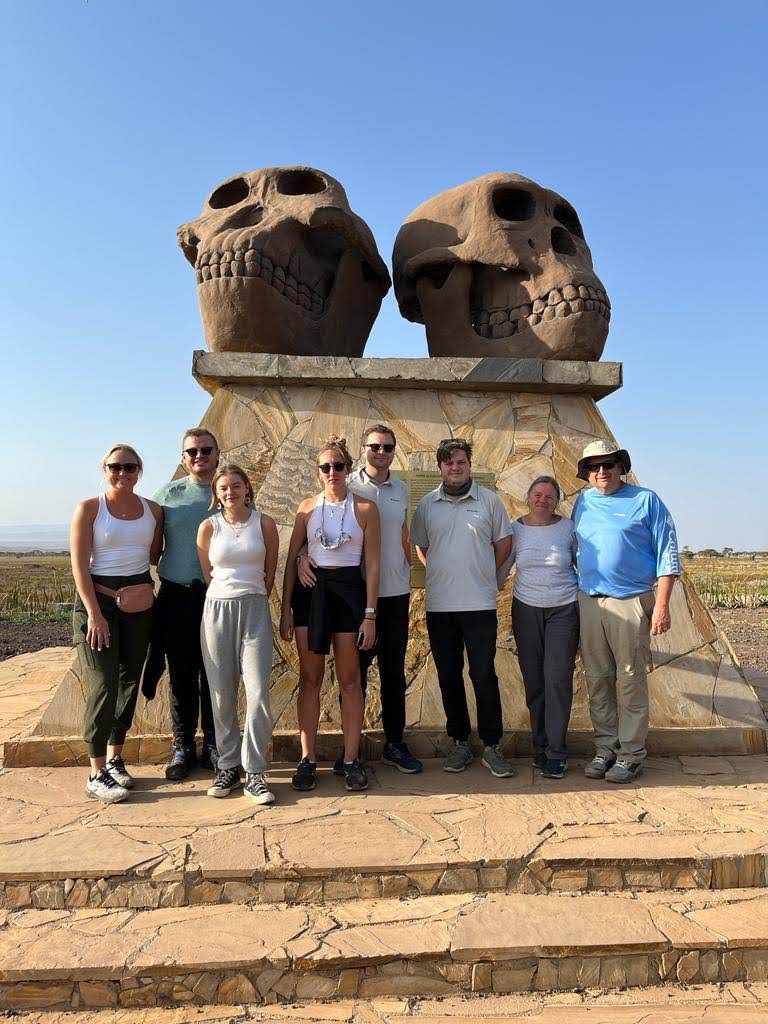
5 Days | 4 Nights
Tanzania
5/52 reviews
Arusha, Lake Manyara, Ngorongoro Crater, Serengeti
From $2,900 USD per person
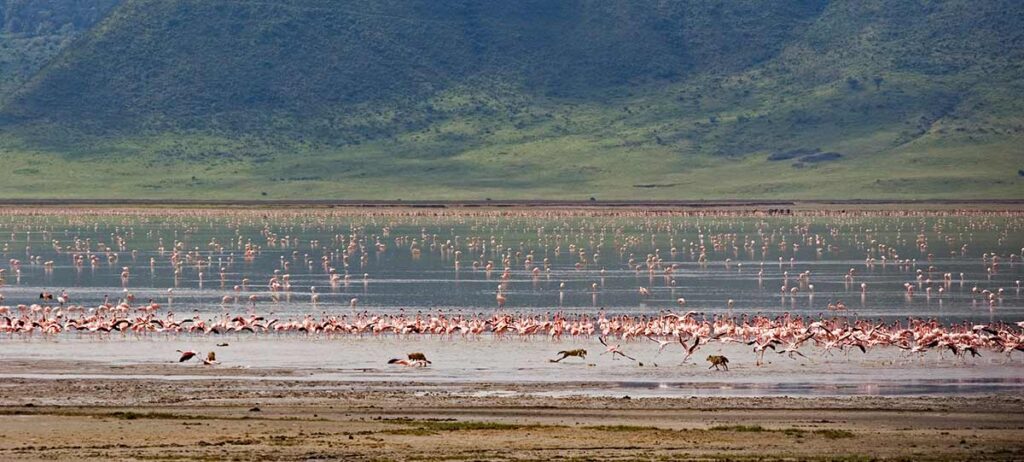
3 Days | 2 Nights
Tanzania
5/51 review
Arusha, Lake Manyara, Ngorongoro Crater
From $1,155 USD per person
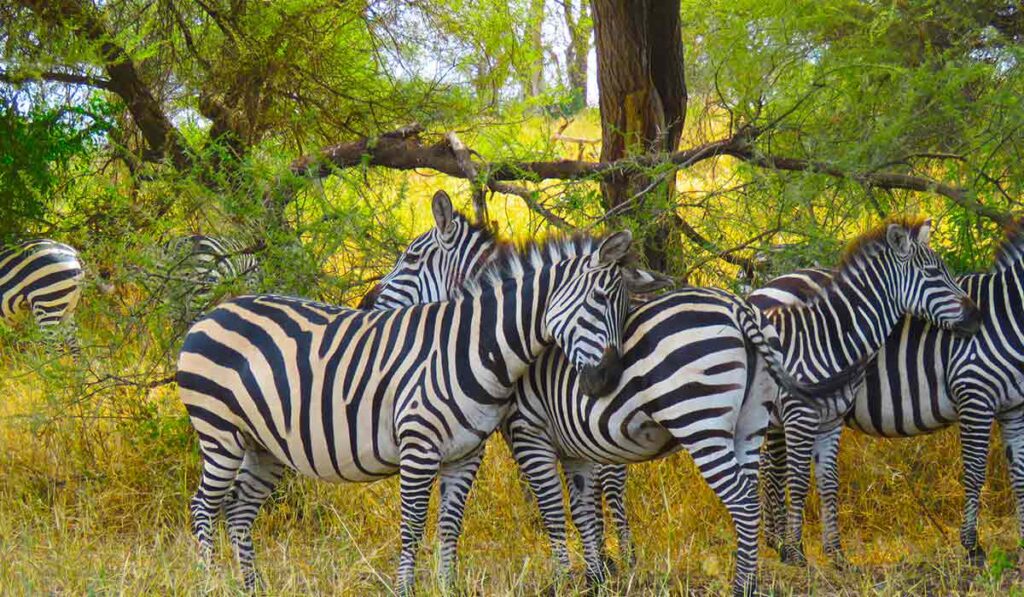
3 Days | 2 Nights
Tanzania
5/51 review
Tarangire, Lake Manyara, Ngorongoro Crater
From $1,443 USD per person
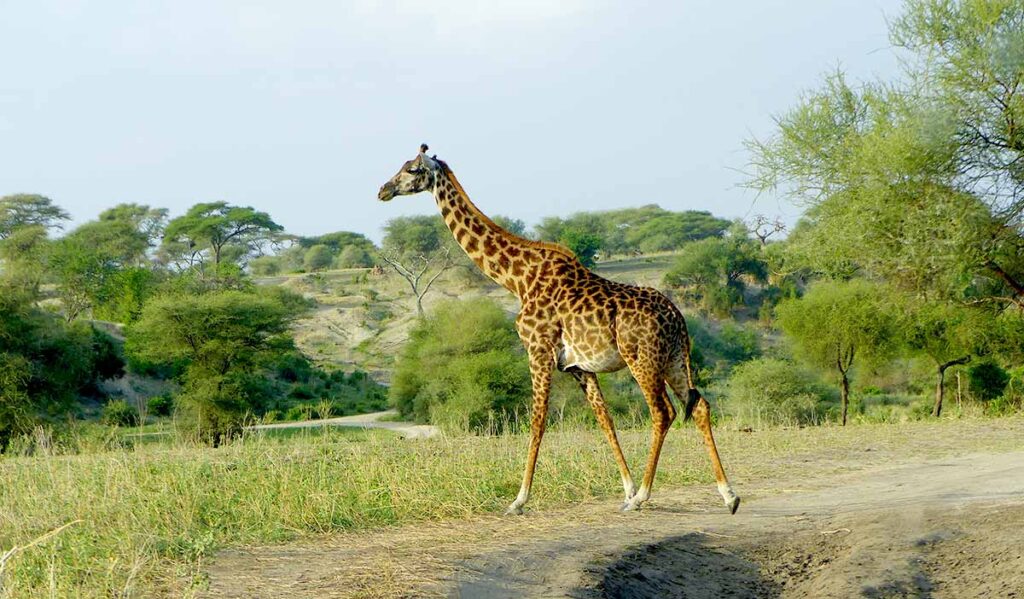
7 Days | 6 Nights
Tanzania
5/51 review
Tarangire, Lake Manyara, Ngorongoro Crater, Serengeti
From $3,189 USD per person
Plan your trip
When to go, how safe it is and the questions travellers ask most about Lake Manyara National Park.
Lake Manyara rewards a visit in any month, but the two halves of the year offer genuinely different parks.
June to October is the dry season and the strongest window for general game viewing. Animals concentrate near the lake and the permanent springs, tracks are firm, and thinner foliage makes the tree-climbing lions far easier to spot. This is also the busiest period across the whole northern circuit.
November to June is the green season. The lake refills, the flamingos return, migratory birds push the count past 400 species, and there are far fewer vehicles on the circuit.
April and May are the heaviest months of the long rains, with the greenest landscapes and lowest rates but difficult tracks and some lodge closures.
Because the park sits two hours from Arusha and can be covered in half a day, it works as a flexible opener or closer to a northern circuit trip in any season.
Most itineraries visit on the drive out toward Ngorongoro rather than making a dedicated trip, which works well in any month.
Month by month
Jan
29°
60 mm
Feb
30°
55 mm
Mar
29°
110 mm
Apr
27°
180 mm
May
26°
90 mm
Jun
25°
20 mm
Jul
24°
10 mm
Aug
25°
10 mm
Sep
27°
15 mm
Oct
29°
35 mm
Nov
28°
110 mm
Dec
28°
90 mm
As in any Tanzanian park, wildlife presents the main risk. Elephant and buffalo are unpredictable at close range, and the hippo at the northern pools are dangerous if approached on foot. Stay in the vehicle except at designated viewpoints, and travel with a licensed guide who can read animal behaviour.
Baboons around picnic sites are bold and well practised at taking food. Keep vehicle windows closed when parked, do not feed them, and never hold food in the open. Tsetse fly are present in some of the wooded sections — long sleeves in neutral colours help.
Park roads are unsealed and become slippery during the rains, when a 4×4 is essential. Crime inside the park is very rare, and lodges are secure, but apply the usual precautions in Mto wa Mbu and on the road to Arusha: keep valuables out of sight and avoid travelling after dark.
FAQ8 questions
What travellers ask most before booking a safari in Lake Manyara National Park, answered by local experts.
Read the full Lake Manyara National Park guideThree things above all. The tree-climbing lions rest along the branches of acacias through the heat of the day, behaviour recorded in only a handful of places in Africa. The flamingos gather in their thousands in the shallows of the alkaline lake. And the dense groundwater forest at the park entrance, fed by springs running off the Rift Valley escarpment, is unlike anything else on the northern circuit. It also holds one of the largest olive baboon populations anywhere in Africa, often hundreds strong.
Most visitors spend half a day to a full day here, and that is usually enough. The park is compact at roughly 648 square kilometres, much of which is the lake itself, so a single well-planned drive covers the main circuits comfortably. It is almost always visited as the first or last stop on a northern circuit itinerary rather than as a destination in its own right. Adding the treetop canopy walkway or a night drive extends a visit comfortably to a full day.
June to October is strongest for general game viewing, when the vegetation thins out and animals concentrate near water. November to June suits birders considerably better, including the flamingos, and the park is greener, quieter and cheaper. April and May bring the heaviest rain of the year, when some tracks become difficult and a number of lodges close for the season. Both halves of the year have their case, so let the flamingos or the big game decide which you prioritise.
Not reliably, no. Flamingo numbers rise and fall with the lake's water level and the algae they feed on, so the spectacle is strongest after the rains, roughly November to June. In a dry year the lake can shrink dramatically and the birds move on to other Rift Valley lakes such as Natron or Eyasi. Treat a large flock as a bonus rather than a guarantee. If flamingos are the main reason for your visit, travel in the green season and check recent conditions with your operator.
Yes, and it is one of the park's genuine distinctions. Lake Manyara is among the few national parks in Tanzania that permits game drives after dark, run with a licensed guide and an accompanying park ranger. They offer the best chance of seeing genet, civet, bushbaby, porcupine and the occasional leopard on the move, all of which are difficult or impossible to find during daylight hours. They must be booked through your operator in advance, as ranger availability is limited each evening.
The park lies about 126 kilometres west of Arusha, roughly a two-hour drive on sealed road as far as the park gate at the village of Mto wa Mbu. Light aircraft also serve the Lake Manyara airstrip on scheduled routes from Arusha, the Serengeti and Zanzibar, which suits travellers on shorter itineraries. That proximity to Arusha is why the park so often opens a northern circuit safari. That proximity to Arusha is why the park so often opens a northern circuit safari before the road climbs toward Ngorongoro.
Binoculars matter more here than in most Tanzanian parks, given the density of birdlife and the forest canopy overhead. Bring insect repellent, layers for cool mornings, sun protection and neutral colours that work in both forest and open plain. Keep food secured at all times and vehicle windows closed when parked, because the baboons around the picnic sites are bold and thoroughly practised at theft. A light waterproof is sensible outside the dry season, as showers arrive quickly off the escarpment.
It is a genuine novelty and the only walkway of its kind in Tanzania, carrying you on a suspended bridge through the groundwater forest canopy at bird height. The circuit takes roughly an hour with a guide and suits families and anyone who wants a break from the vehicle. It is not a wildlife spectacle in the way a game drive is, but the perspective on the forest itself is worth the time.
Everything we list for Lake Manyara National Park, in one place.
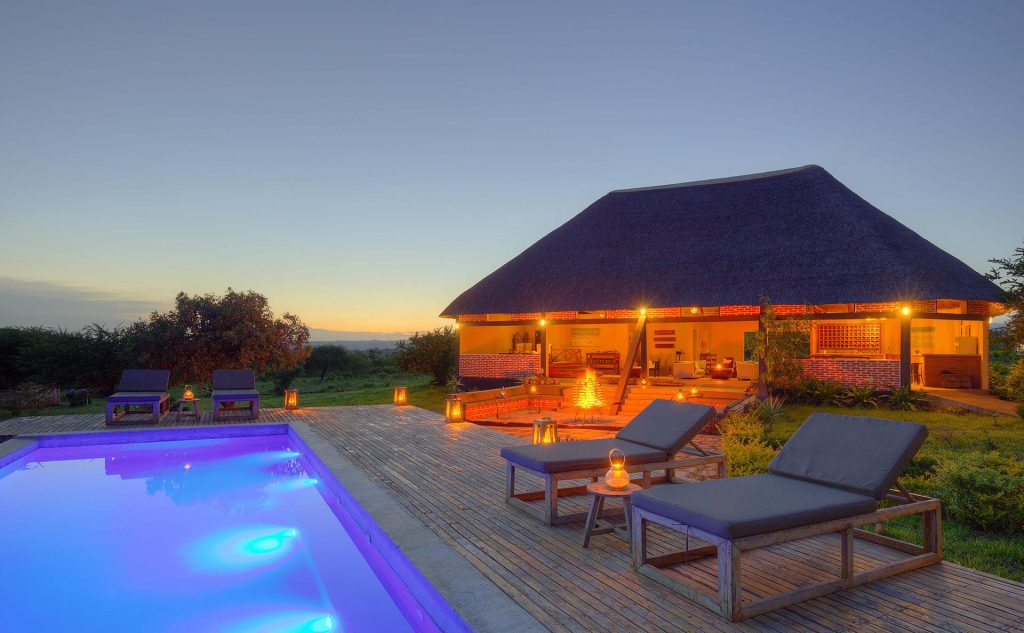 Places to stay
0 Tours
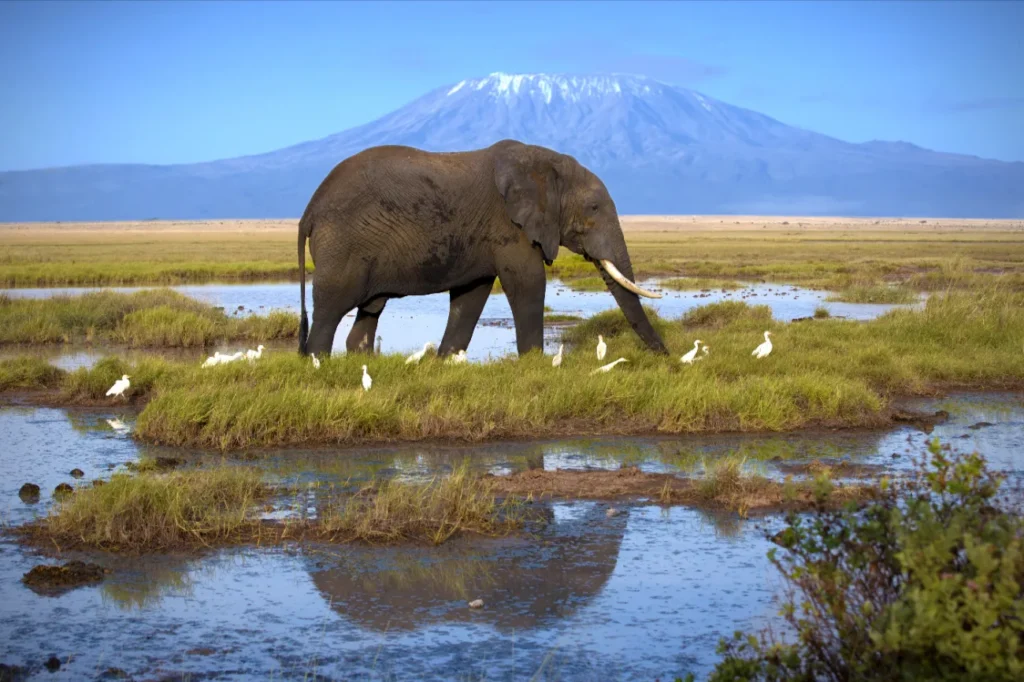
6 Tours
0 Tours
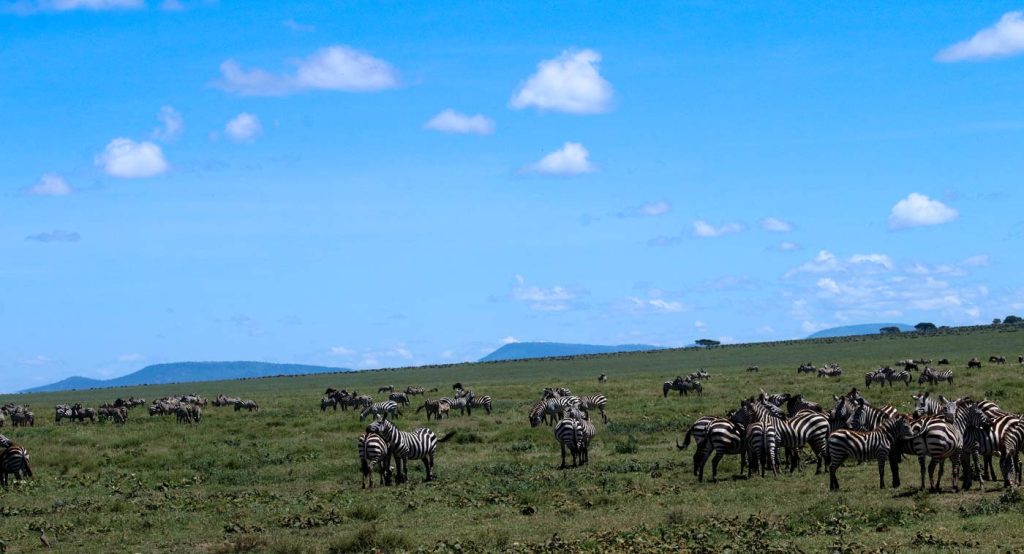
82 Tours
0 Tours
0 Tours
0 Tours
0 Tours