10 Days | 9 Nights
Kenya
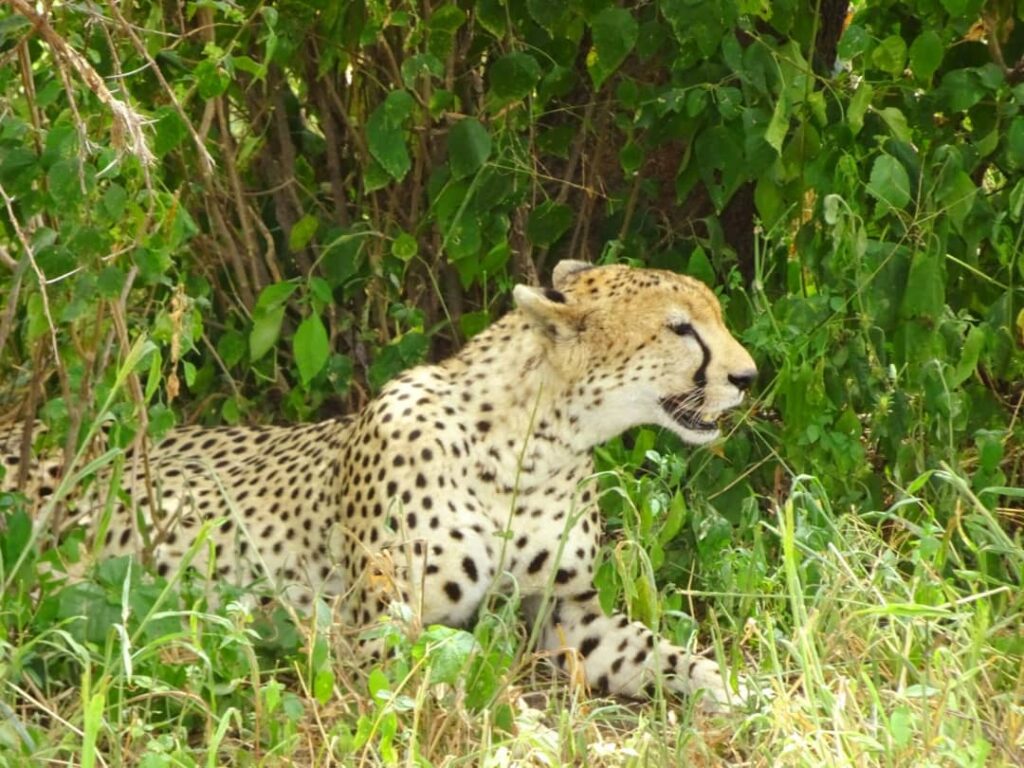
10-Days Complete Kenya safari
5/52 reviews
Lake Naivasha, Maasai Mara, Amboseli
From $4,700 USD per person
Compare tour packages that visit Lake Naivasha, from local tour operators. Check prices, itineraries and reviews, then send an enquiry.
2 tours
10 Days | 9 Nights
Kenya
5/52 reviews
Lake Naivasha, Maasai Mara, Amboseli
From $4,700 USD per person
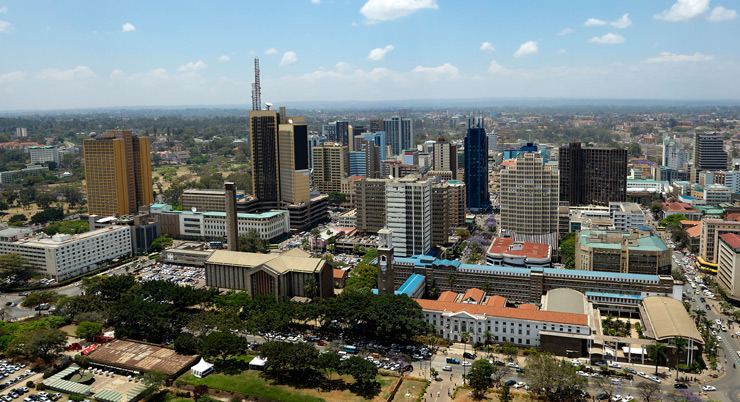
11 Days | 10 Nights
Tanzania · Kenya
5/51 review
Tarangire, Lake Manyara, Ngorongoro Crater, Serengeti, Nairobi, Lake Naivasha, Maasai Mara, Amboseli
From $3,361 USD per person
Plan your trip
When to go, how safe it is and the questions travellers ask most about Lake Naivasha.
Naivasha is a year-round destination and less seasonal than Kenya's game parks, since its attractions are the lake, the walking and the surrounding volcanic landscape rather than migrating wildlife.
January to February and June to October are the drier windows and the most comfortable, with reliable boat conditions and firm ground for walking on Crescent Island and cycling in Hell's Gate.
July and August can be cool and grey despite being dry, so pack layers rather than expecting equatorial warmth.
March to May brings the long rains, when the lake rises, the papyrus fringes flood and tracks around the shore become muddy. Birding is at its best and rates fall noticeably.
November brings shorter rains and green landscapes. Whatever the month, take the boat trip early in the day, when the water is calmest and the fish eagles most active.
Whatever the month, take the boat trip early in the day, when the water is calmest, the light is best and the fish eagles are most active before the wind gets up across the open lake.
Month by month
Jan
27°
40 mm
Feb
28°
45 mm
Mar
27°
80 mm
Apr
25°
150 mm
May
24°
110 mm
Jun
23°
40 mm
Jul
22°
25 mm
Aug
23°
30 mm
Sep
25°
30 mm
Oct
26°
50 mm
Nov
25°
120 mm
Dec
26°
70 mm
FAQ8 questions
What travellers ask most before booking a safari in Lake Naivasha, answered by local experts.
Read the full Lake Naivasha guideThe boat safari is the signature activity, bringing you close to hippo, fish eagle and the drowned fever tree forests that give the lake its distinctive look. Crescent Island allows walking among giraffe and zebra without a vehicle, as there are no large predators. Hell's Gate can be cycled, Mount Longonot climbed, and Elsamere visited, so two days fill easily. The lake sits about ninety minutes from Nairobi, which makes it one of the easiest escapes from the capital.
Yes, on Crescent Island, a privately managed peninsula on the eastern side of the lake. Because it holds no lion, leopard or other large predators, visitors may walk freely with or without a guide among giraffe, zebra, waterbuck, eland and impala. It is one of very few places in Kenya where this is possible, and it makes an excellent couple of hours. Hippo graze on land after dark, so follow lodge advice and use the escorts most properties provide in the evening.
The lake lies about 90 kilometres north-west of Nairobi, roughly one and a half to two hours by road on the main highway through the Rift Valley escarpment, making it one of the most accessible destinations in Kenya. It is commonly visited as a stop between Nairobi and the Maasai Mara, or as a weekend trip from the capital. Two days here fills easily once Hell's Gate and Mount Longonot are added to the lake itself.
Very good, with over 400 species recorded. The freshwater and papyrus fringes support pelican, cormorant, kingfisher, jacana and large numbers of African fish eagle, whose call is the defining sound of the lake. Boat trips bring you close, and the shoreline hotels and Crescent Island add woodland and grassland species. Numbers peak during the wet months when migrants arrive. The lake sits about ninety minutes from Nairobi, which makes it one of the easiest escapes from the capital.
Yes, in significant numbers, and they are the main safety consideration for anyone staying on the shore. Hippo graze on land at night and can wander through hotel grounds, so follow lodge advice, do not walk between accommodation and the water after dark, and take the escorts that most properties provide. On the water, boat operators keep a respectful distance. Hippo graze on land after dark, so follow lodge advice and use the escorts most properties provide in the evening.
January to February and June to October are the drier windows and the most comfortable, with reliable boat conditions and firm ground for walking and cycling. July and August can be cool and grey despite being dry. March to May brings the long rains, when the lake rises and shoreline tracks become muddy, though birding is at its best and rates fall noticeably. Two days here fills easily once Hell's Gate and Mount Longonot are added to the lake itself.
It sits directly on the route between Nairobi and the Maasai Mara, so a night here breaks the journey well. Lake Nakuru is about an hour further north, making a straightforward Rift Valley circuit of the two lakes before continuing south-west to the Mara. Hell's Gate on the doorstep adds a genuinely different activity to a wildlife-heavy itinerary. The lake sits about ninety minutes from Nairobi, which makes it one of the easiest escapes from the capital.
The lake's level fluctuates substantially between wet and dry cycles, and a prolonged rise over the past decade has drowned stands of yellow-barked acacia, the fever trees, that previously grew along the shore. Their bare trunks now stand in open water and have become one of Naivasha's most photographed features, particularly at dawn with fish eagles perched in them. Hippo graze on land after dark, so follow lodge advice and use the escorts most properties provide in the evening.
Everything we list for Lake Naivasha, in one place.
0 Tours
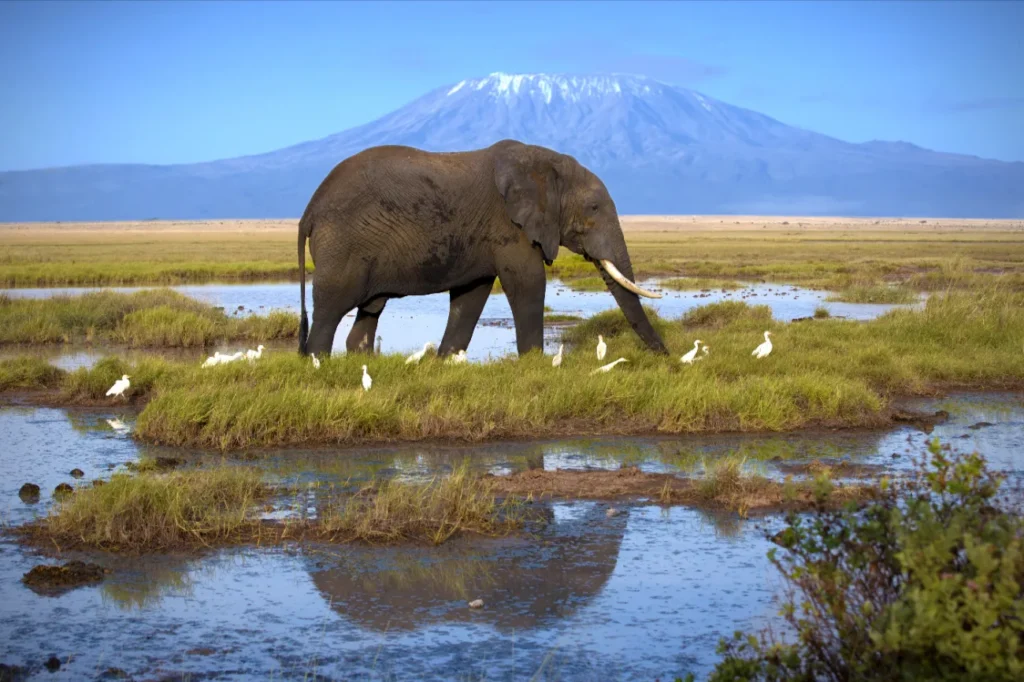
6 Tours
0 Tours
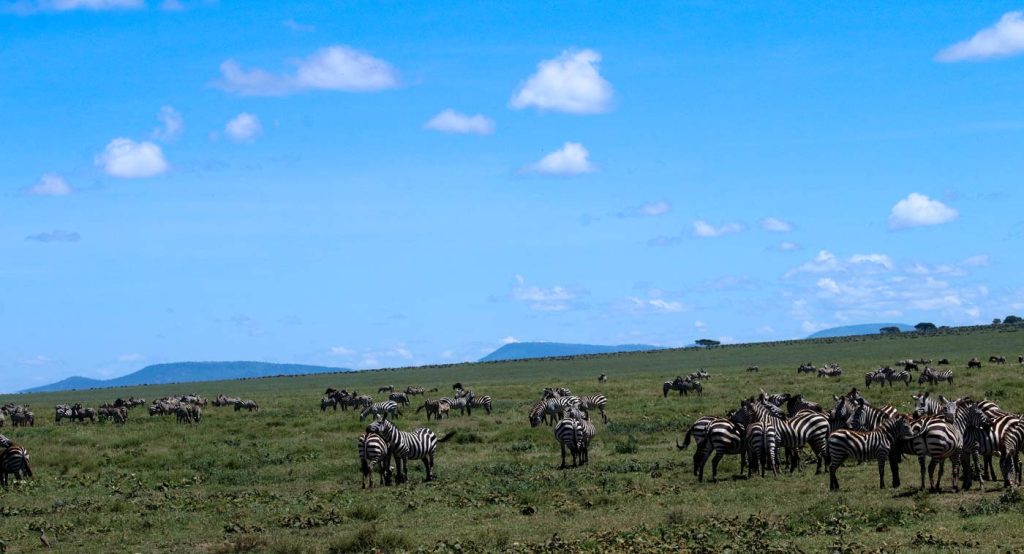
82 Tours
0 Tours
0 Tours
0 Tours
0 Tours