12 Days | 11 Nights
Tanzania · Kenya
12-Day Spirit and Soul of Africa- Luxury Safari
5/52 reviews
Lake Manyara, Ngorongoro Crater, Lake Nakuru, Maasai Mara, Amboseli
From $6,500 USD per person
Compare tour packages that visit Lake Nakuru National Park, from local tour operators. Check prices, itineraries and reviews, then send an enquiry.
3 tours
12 Days | 11 Nights
Tanzania · Kenya
5/52 reviews
Lake Manyara, Ngorongoro Crater, Lake Nakuru, Maasai Mara, Amboseli
From $6,500 USD per person
11 Days | 10 Nights
Tanzania · Kenya
5/52 reviews
Lake Manyara, Serengeti, Nairobi, Lake Nakuru, Maasai Mara, Amboseli
From $6,700 USD per person
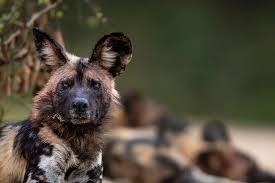
13 Days | 12 Nights
Tanzania · Kenya
5/52 reviews
Arusha, Lake Manyara, Serengeti, Lake Nakuru, Maasai Mara
From $5,700 USD per person
Plan your trip
When to go, how safe it is and the questions travellers ask most about Lake Nakuru National Park.
Lake Nakuru is compact and fenced, so game viewing is reliable year-round and the seasons matter less than in Kenya's larger parks.
June to October is the main dry window, with firm tracks and comfortable conditions, though July and August can be cool and grey. Rhino sightings are consistent throughout, as the population is enclosed and well monitored.
January and February are dry, warm and clear, and are often the most pleasant months to visit, with good light for photography across the lake.
March to May brings the long rains, when the park is green and birding peaks, though tracks near the shoreline can become difficult.
Flamingo numbers no longer follow a reliable calendar. They depend on water level and algae rather than season, so check recent reports rather than planning a visit around them.
Because the park is fenced and compact, it suits a short visit better than most Kenyan parks. A half day covers the lake circuit and Baboon Cliff, which is why so many itineraries slot it in between Nairobi and the Maasai Mara.
Month by month
Jan
26°
45 mm
Feb
27°
45 mm
Mar
26°
90 mm
Apr
24°
190 mm
May
23°
140 mm
Jun
22°
45 mm
Jul
21°
25 mm
Aug
22°
30 mm
Sep
24°
35 mm
Oct
25°
60 mm
Nov
24°
150 mm
Dec
25°
80 mm
FAQ8 questions
What travellers ask most before booking a safari in Lake Nakuru National Park, answered by local experts.
Read the full Lake Nakuru National Park guideFewer, and far less reliably than the park's reputation suggests. Water levels have risen substantially over the past decade, altering the alkalinity that the algae flamingos feed on depend upon, and the birds have largely dispersed to other Rift Valley lakes such as Bogoria and Natron. Some remain, and numbers fluctuate, so check recent reports rather than planning a trip around the spectacle. The park is fenced, which makes game viewing more consistent and less seasonal than in Kenya's unfenced reserves.
It is among the best places in East Africa to see both black and white rhino. The park is fenced, which allows intensive protection, and holds one of Kenya's densest rhino populations as a result. Sightings on a half-day drive are common, particularly of white rhino grazing in open grassland. This has largely replaced flamingos as the park's principal draw for visitors. Nakuru town sits immediately outside the gate, so fuel, banking and supplies are all easily available.
One night is enough for most visitors, and the park can even be covered as a long day trip from Nairobi at a push. At 188 square kilometres it is compact, and a half-day drive covers the lake circuit, the acacia woodland and the Baboon Cliff viewpoint. Two nights allows a more relaxed pace and time for Makalia Falls at the quieter southern end. Lake Naivasha lies an hour south and is commonly added to the same Rift Valley circuit.
The park lies about 160 kilometres north-west of Nairobi, two to three hours by road on the main highway through the Rift Valley, which makes it one of the most accessible parks in Kenya. Nakuru town sits immediately outside the main gate. There is an airstrip, but given the short drive most visitors arrive by road, often en route to the Maasai Mara. The park is fenced, which makes game viewing more consistent and less seasonal than in Kenya's unfenced reserves.
It is a subspecies distinguished by its lighter markings and the white lower legs that look like socks, and it is one of the most endangered giraffe populations in Africa. Animals were translocated to Lake Nakuru for protection, and the park now holds a significant breeding group. They are commonly seen in the southern acacia woodland and are one of the park's genuine specialities. Nakuru town sits immediately outside the gate, so fuel, banking and supplies are all easily available.
Cooler than most visitors expect, because it sits at around 1,750 metres in the Rift Valley. Days reach only 21°C to 27°C and nights fall to 9°C to 12°C, with July and August often overcast and genuinely chilly on an early game drive. A fleece and windproof layer are needed year-round for dawn starts, which surprises people arriving from the coast. Lake Naivasha lies an hour south and is commonly added to the same Rift Valley circuit.
Yes, and it is a common pairing. Lake Nakuru sits on the road between Nairobi and the Mara, so a night here breaks the journey and adds rhino to an itinerary that might otherwise miss them. Lake Naivasha lies between the two and is often added as well, making a straightforward Rift Valley circuit before continuing south-west to the Mara. The park is fenced, which makes game viewing more consistent and less seasonal than in Kenya's unfenced reserves.
Primarily to protect its rhino population, which requires intensive security, and to reduce conflict with the fast-growing city of Nakuru immediately outside the boundary. The fence limits wildlife movement, which has ecological drawbacks in a small park, but it has allowed the rhino programme to succeed. It also means game viewing here is more reliable and less seasonal than in unfenced parks. Nakuru town sits immediately outside the gate, so fuel, banking and supplies are all easily available.
Everything we list for Lake Nakuru National Park, in one place.
0 Tours
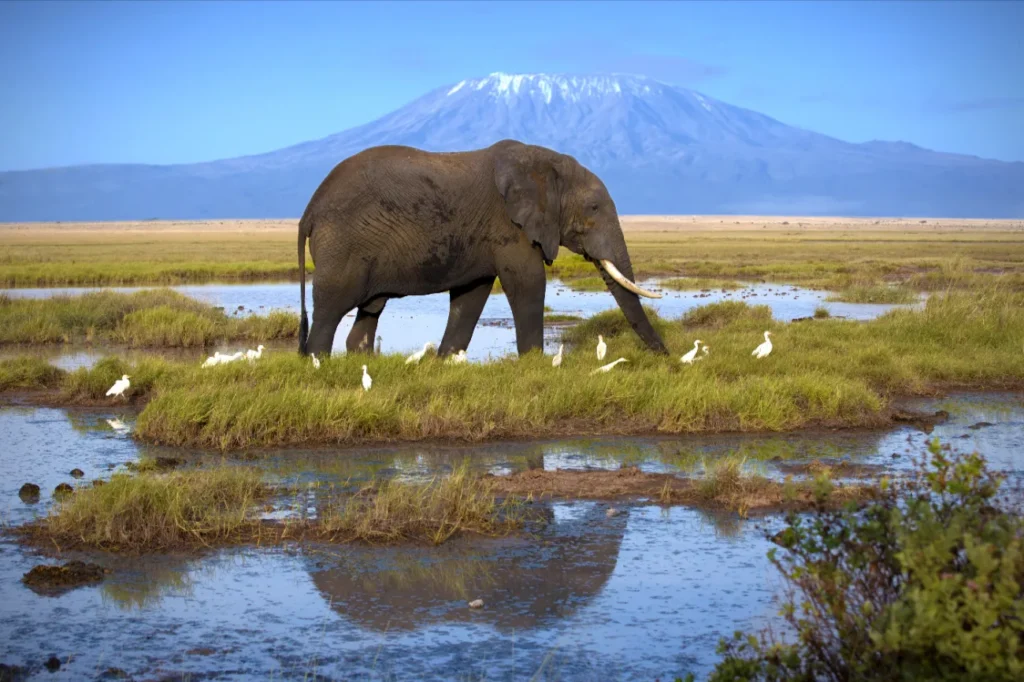
6 Tours
0 Tours
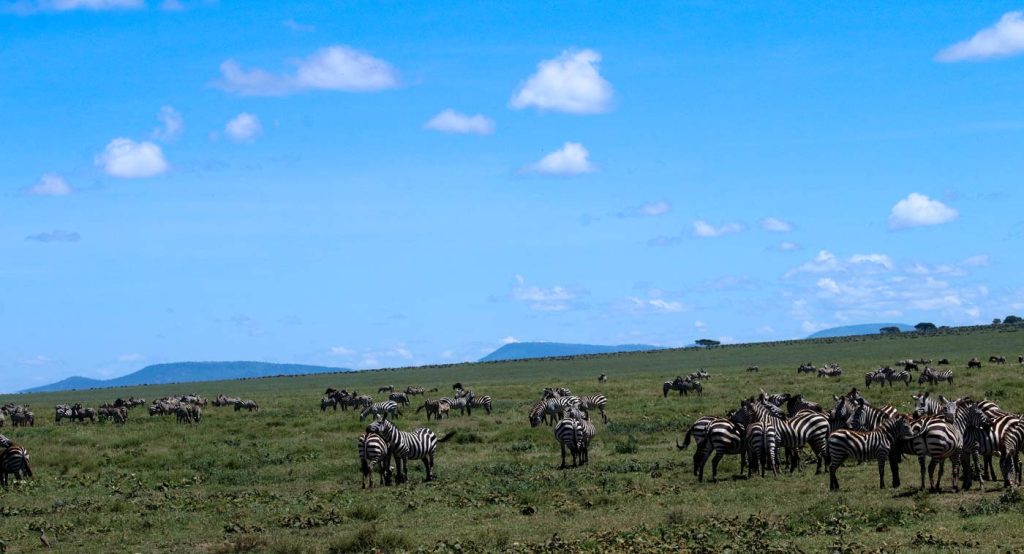
82 Tours
0 Tours
0 Tours
0 Tours
0 Tours