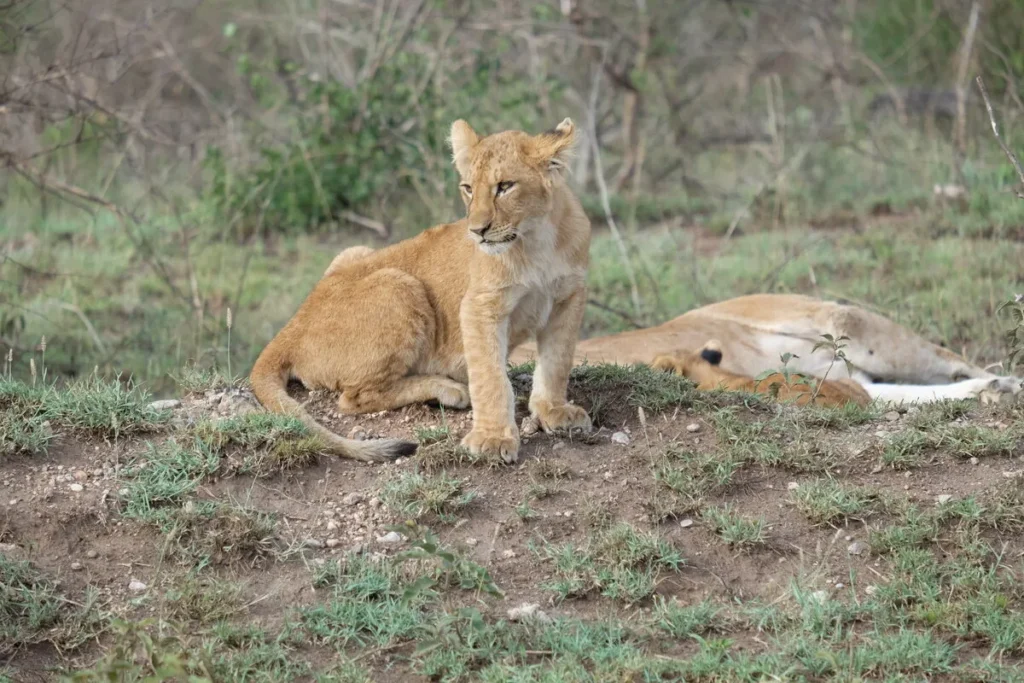
5 Days | 4 Nights
Tanzania
5 Day Serengeti and Ngorongoro Safari
5/52 reviews
Arusha, Tarangire, Lake Manyara, Ngorongoro Crater, Serengeti, Mto wa mbu
From $1,824 USD per person
Compare tour packages that visit Mto wa mbu, from local tour operators. Check prices, itineraries and reviews, then send an enquiry.
Showing 13–20 of 20 tours
5 Days | 4 Nights
Tanzania
5/52 reviews
Arusha, Tarangire, Lake Manyara, Ngorongoro Crater, Serengeti, Mto wa mbu
From $1,824 USD per person
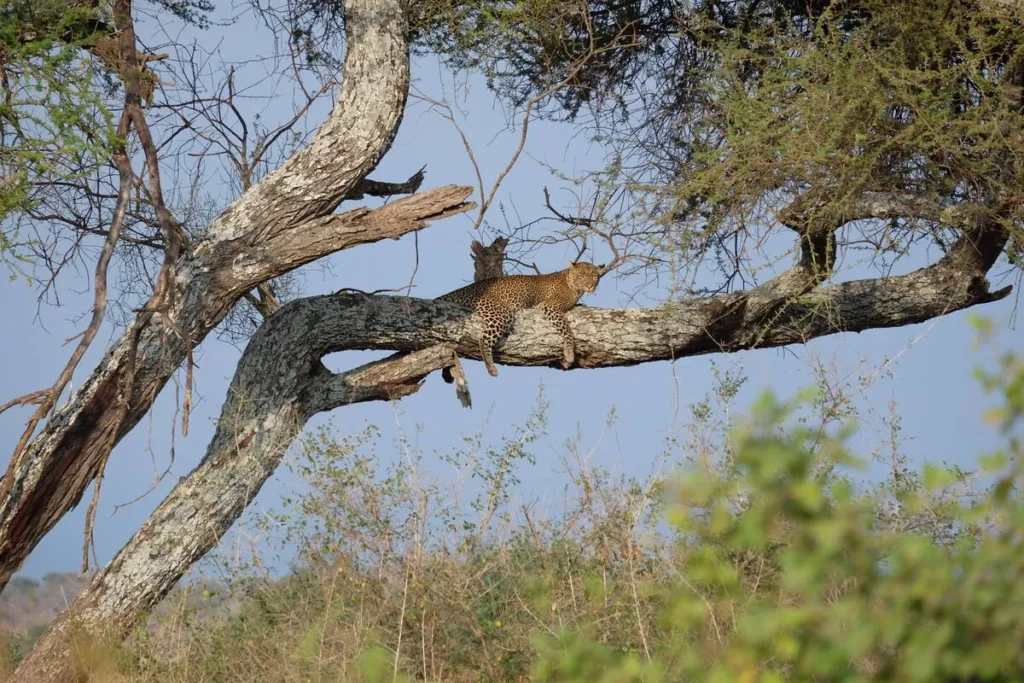
7 Days | 6 Nights
Tanzania
5/52 reviews
Arusha, Tarangire, Lake Manyara, Ngorongoro Crater, Serengeti, Mto wa mbu
From $2,277 USD per person
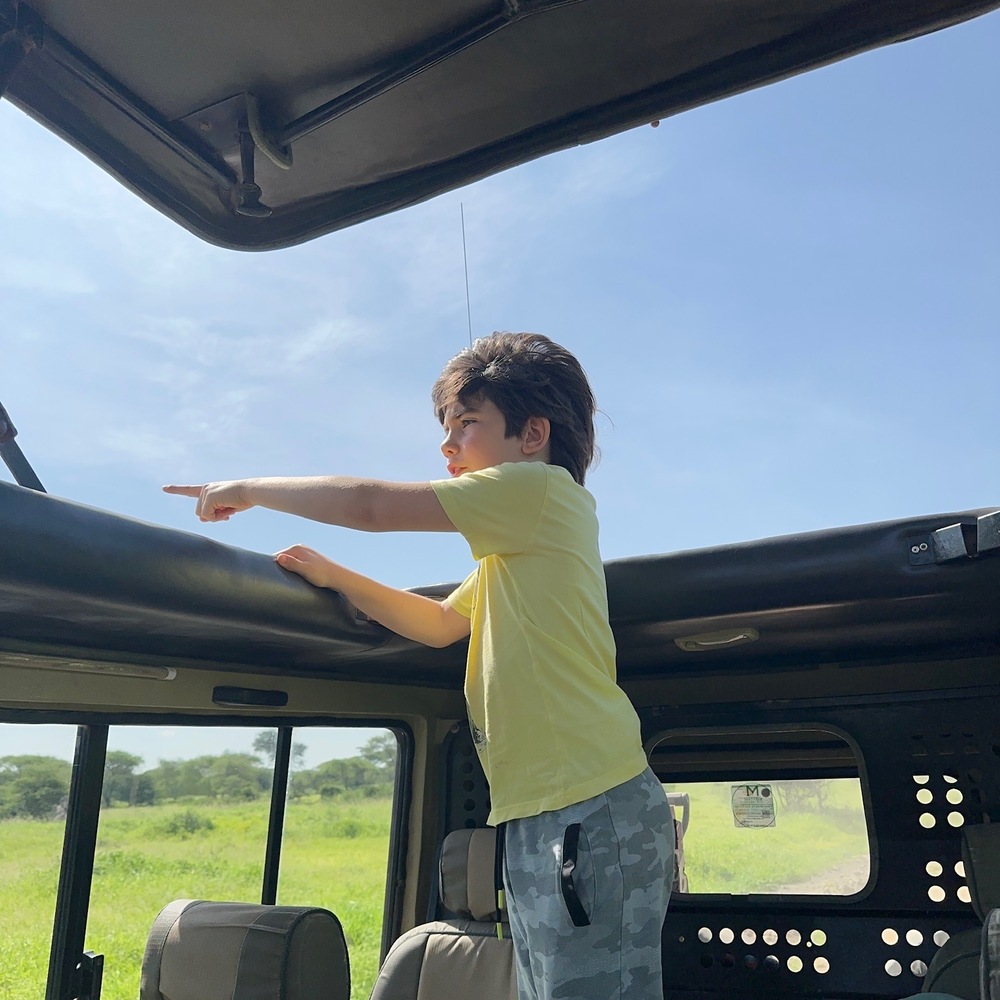
13 Days | 12 Nights
Tanzania
5/51 review
Arusha, Tarangire, Lake Manyara, Ngorongoro Crater, Serengeti, Lake Eyasi, Mto wa mbu
From $3,990 USD per person
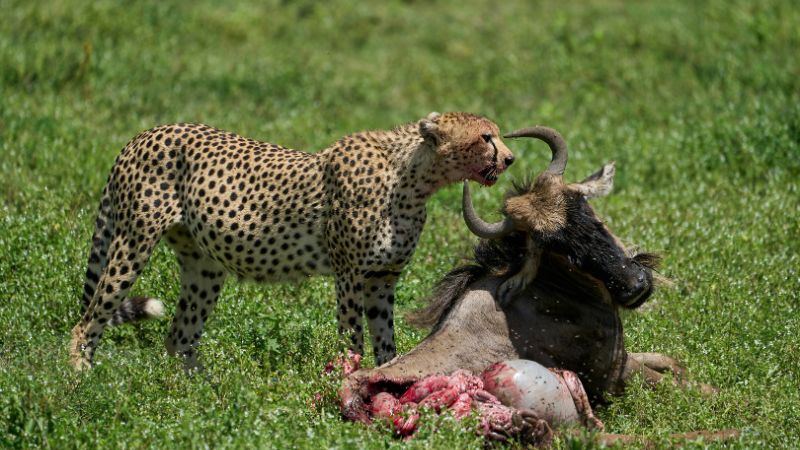
6 Days | 5 Nights
Tanzania
Serengeti, Mto wa mbu, Zanzibar
From $2,083 USD per person
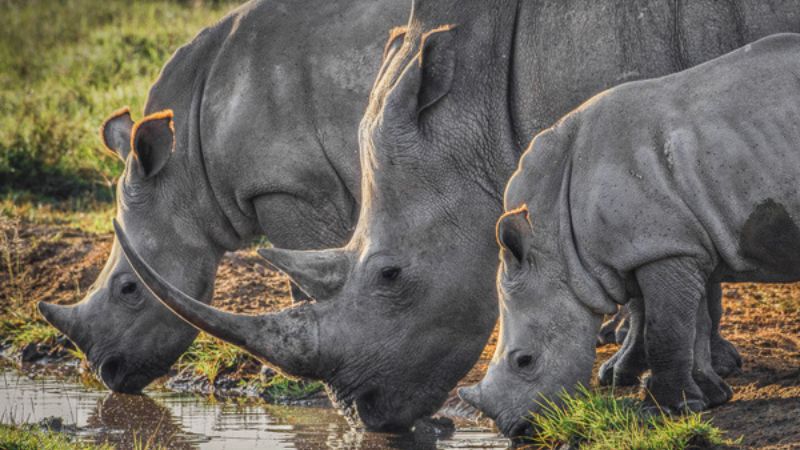
9 Days | 8 Nights
Tanzania
Tarangire, Ngorongoro Crater, Serengeti, Mto wa mbu
From $2,246 USD per person
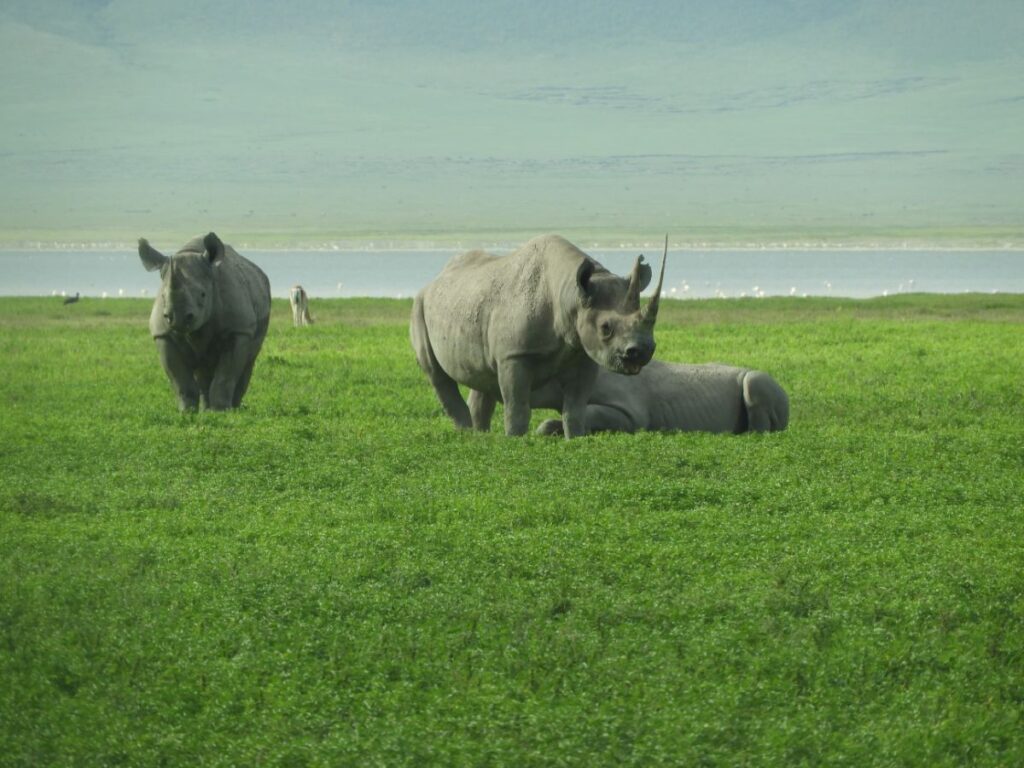
6 Days | 5 Nights
Tanzania
Tarangire, Ngorongoro Crater, Serengeti, Mto wa mbu
From $1,100 USD per person
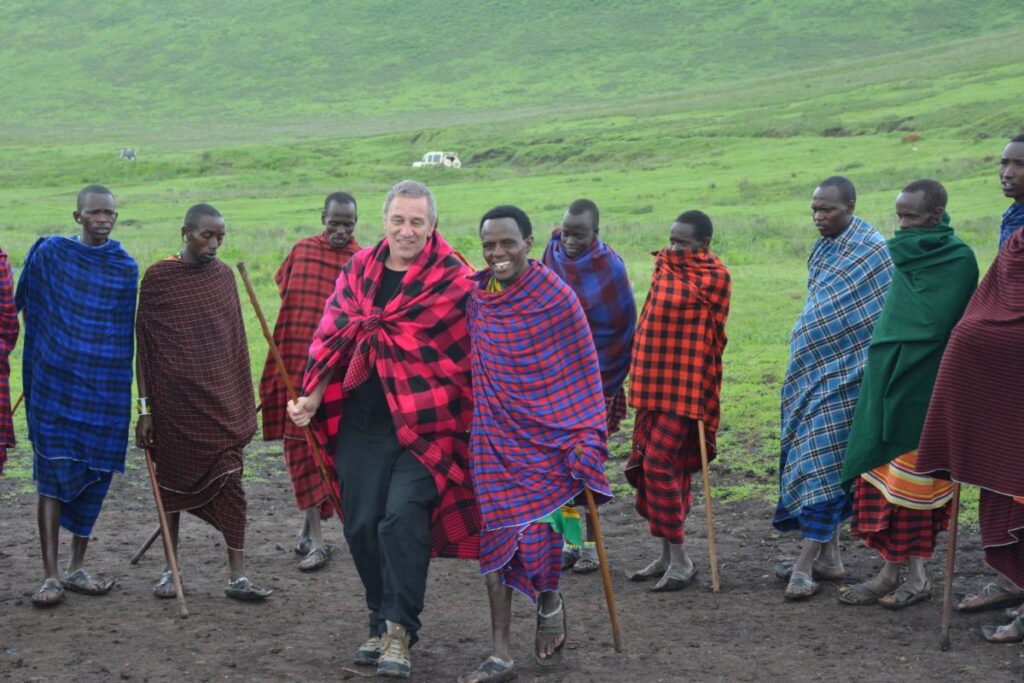
6 Days | 5 Nights
Tanzania
Tarangire, Ngorongoro Crater, Serengeti, Mto wa mbu
From $2,399 USD per person
13 Days | 12 Nights
Tanzania
Tarangire, Lake Manyara, Ngorongoro Crater, Serengeti, Mto wa mbu, Zanzibar
From $3,418 USD per person
Plan your trip
When to go, how safe it is and the questions travellers ask most about Mto wa mbu.
Mto wa Mbu is visited year-round because it sits directly on the northern circuit route, so the question is what the surrounding area is doing rather than the village itself.
June to October is dry and comfortable, and coincides with peak safari season when the village is at its busiest. Craft sellers along the main road are correspondingly more persistent, and cultural walks book out in the middle of the day.
December to February is warm and largely dry, with fewer vehicles passing through and a more relaxed feel. This is a good window for walking the farmland without the mid-season crowds.
March to May brings the heaviest rain, when the irrigated farmland is at its greenest and visitor numbers fall away sharply. Paths through the paddies become muddy, but the cultural programme runs regardless.
Arrive in the morning, when the market is at its most active.
For a stop of two or three hours any month works. Book cultural walks through the official tourism office rather than with people offering along the roadside, so that the fees reach the community projects they support.
Month by month
Jan
28°
50 mm
Feb
29°
60 mm
Mar
28°
140 mm
Apr
26°
230 mm
May
25°
150 mm
Jun
24°
30 mm
Jul
23°
20 mm
Aug
24°
20 mm
Sep
26°
20 mm
Oct
28°
40 mm
Nov
27°
140 mm
Dec
27°
90 mm
The village is safe and used to visitors, though the volume of curio sellers along the main road can be persistent. Agree prices before accepting anything and book cultural walks through the official cultural tourism office rather than roadside touts.
Traffic on the main road is heavy with safari vehicles and trucks, and there are no pavements in places. Take care crossing, particularly with children.
FAQ8 questions
What travellers ask most before booking a safari in Mto wa mbu, answered by local experts.
Read the full Mto wa mbu guideIts extraordinary diversity. Over 120 ethnic groups live in this one village, drawn from every corner of Tanzania by irrigated farmland fed by water running off the Rift Valley escarpment, and it is often described as the only settlement in the country where all of Tanzania's major language families are spoken together. That mix shows in the market, the food and the crafts. It is also the last reliable place to buy supplies before Ngorongoro.
It is one of the oldest and best-organised cultural tourism programmes in Tanzania, and considerably more substantive than the village visits sold at many safari stops. Walks take in banana beer brewing, Makonde ebony carving, rice paddies and irrigated smallholdings, typically over two to three hours. Book through the official cultural tourism office rather than roadside touts so that fees reach the community and fund the schools and clinics they support.
It sits directly at the Lake Manyara National Park gate, about two hours from Arusha, and every northern circuit itinerary passes through on the way to Ngorongoro and the Serengeti. Most visitors stop for lunch or a cultural walk rather than staying overnight, though there are lodges. It works well as a half day paired with a Lake Manyara game drive, or as a practical lunch stop on longer driving days.
It translates from Swahili as River of Mosquitoes, a reference to the wetland conditions created by streams running off the escarpment onto the valley floor. Those same waters are what make the area so unusually fertile and drew farmers from across the country in the first place. Malaria prophylaxis and repellent are sensible precautions, though the village is no worse than anywhere else on the Rift Valley floor. The village is also the last reliable place to buy fresh produce, water and fuel before the climb toward Ngorongoro.
Makonde ebony carving is the speciality, produced in workshops along the main road by artisans from the far south of Tanzania, and quality varies enormously so it is worth looking at several before buying. Beadwork, batik and paintings are also widely sold. Prices along the roadside are set high for passing safari vehicles, so negotiate firmly, or buy through the cultural tourism office where prices are more transparent. Arrive in the morning rather than the afternoon, both for the light and because the market is at its most active early.
Most visitors do not, treating the village as a stop between Arusha and Ngorongoro, but an overnight has real advantages. It puts you at the Lake Manyara gate at opening rather than mid-morning, allows the longer version of the cultural walk that reaches the outlying farms, and lets you see the market early when it is busiest. Several comfortable lodges sit just outside the village. Book cultural walks through the official tourism office rather than with people offering along the roadside.
Mbege is brewed from ripe bananas mixed with millet flour and left to ferment, producing a cloudy, mildly alcoholic drink that has been made in this region for generations. It is genuinely part of daily social life rather than a tourist demonstration, and most cultural walks include a visit to a homestead where it is brewed and a chance to taste it. The flavour is sour and unlike commercial beer.
The village lies about 120 kilometres west of Arusha, roughly two hours on good tarmac, directly at the Lake Manyara park gate. Every northern circuit vehicle passes through it, so any safari operator will include a stop on request. Light aircraft also serve the Lake Manyara airstrip a short distance away, with connections from Arusha, the Serengeti and Zanzibar for visitors on shorter itineraries. The village is also the last reliable place to buy fresh produce, water and fuel before the climb toward Ngorongoro.
Everything we list for Mto wa mbu, in one place.
0 Tours
6 Tours
0 Tours
82 Tours
0 Tours
0 Tours
0 Tours
0 Tours