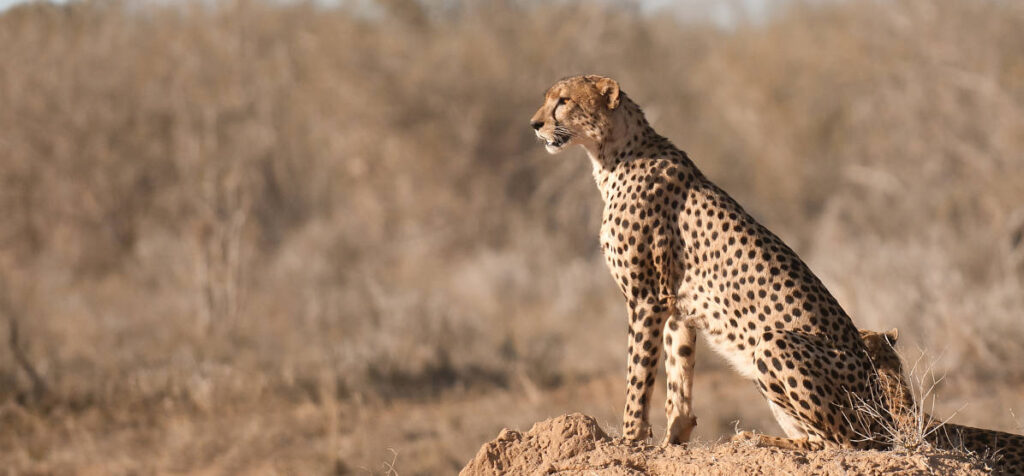
11 Days | 10 Nights
Tanzania · Kenya
11 Days Spirit & Soul of Africa (Tanzania/Kenya) – Luxury
5/52 reviews
Lake Manyara, Serengeti, Nairobi, Lake Nakuru, Maasai Mara, Amboseli
From $6,700 USD per person
Compare tour packages that visit Nairobi, from local tour operators. Check prices, itineraries and reviews, then send an enquiry.
4 tours
11 Days | 10 Nights
Tanzania · Kenya
5/52 reviews
Lake Manyara, Serengeti, Nairobi, Lake Nakuru, Maasai Mara, Amboseli
From $6,700 USD per person
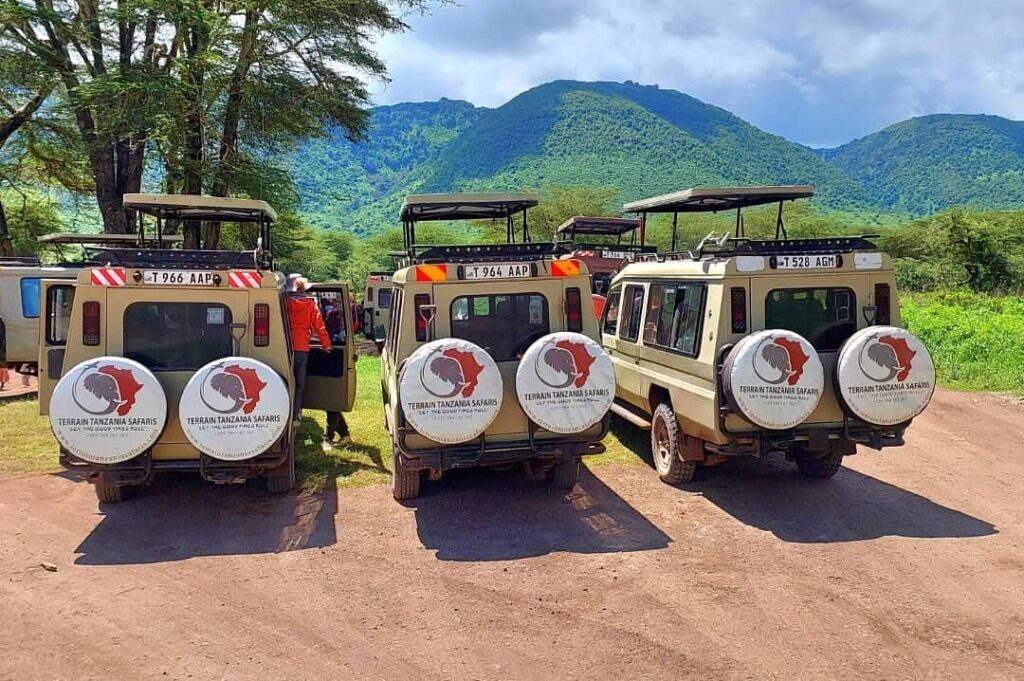
13 Days | 12 Nights
Tanzania · Kenya
5/51 review
Tarangire, Lake Manyara, Ngorongoro Crater, Serengeti, Nairobi, Maasai Mara, Amboseli
From $4,468 USD per person
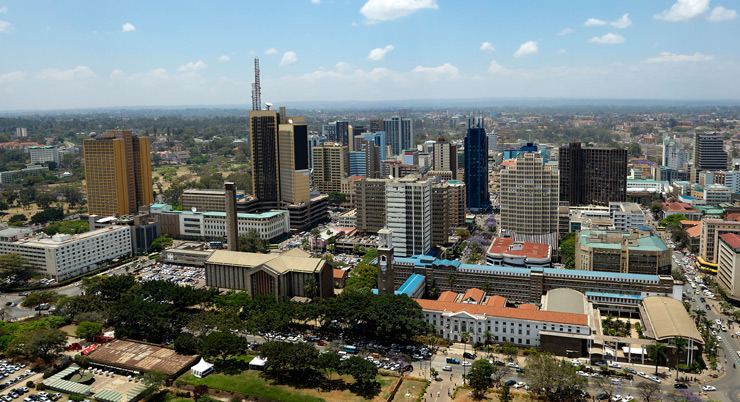
11 Days | 10 Nights
Tanzania · Kenya
5/51 review
Tarangire, Lake Manyara, Ngorongoro Crater, Serengeti, Nairobi, Lake Naivasha, Maasai Mara, Amboseli
From $3,361 USD per person
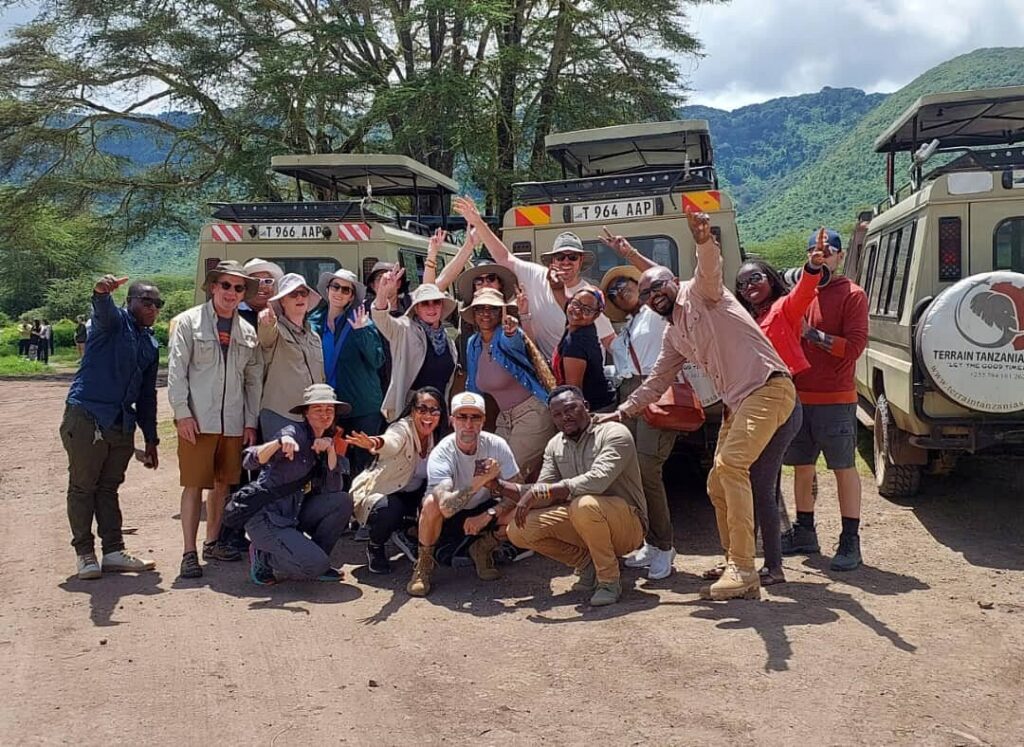
18 Days | 17 Nights
Tanzania · Kenya
5/51 review
Arusha, Tarangire, Ngorongoro Crater, Serengeti, Mto wa mbu, Karatu, Nairobi, Maasai Mara, Amboseli
From $10,527 USD per person
Plan your trip
When to go, how safe it is and the questions travellers ask most about Nairobi.
Nairobi is a year-round city, and the choice of month matters less for the city itself than for wherever you are travelling on to.
January and February are dry, warm and clear, and align with excellent conditions in Amboseli and the Maasai Mara. This is one of the best windows for combining city days with a safari.
June to October is the second dry window and coincides with the migration in the Mara, which is why the city is busiest and hotels priciest. July and August are cool and often grey in Nairobi itself, so pack accordingly.
March to May brings the long rains, when afternoon downpours snarl traffic badly and crossing the city becomes a real constraint on any itinerary.
November and December bring lighter short rains, with the festive season lifting the restaurant and music scene considerably.
Whatever the month, Nairobi works best as a two-day stop rather than a rushed overnight. The national park, the elephant orphanage and the Giraffe Centre together fill a morning, and the museums and the Karen sites need most of a second day if you want to see them properly.
Month by month
Jan
26°
50 mm
Feb
27°
50 mm
Mar
27°
90 mm
Apr
25°
200 mm
May
23°
150 mm
Jun
22°
40 mm
Jul
21°
20 mm
Aug
22°
25 mm
Sep
25°
30 mm
Oct
26°
60 mm
Nov
24°
150 mm
Dec
25°
90 mm
Nairobi's reputation is worse than the reality for most visitors, but care is genuinely needed. Avoid walking in the central business district after dark, keep phones out of sight, and use ride-hailing apps rather than street taxis.
Carjacking occurs, so keep windows up and doors locked in slow traffic, particularly at night. Do not visit informal settlements without a reputable guide. Hotels, malls and the tourist sites in Karen and Langata are well secured and present little difficulty.
FAQ8 questions
What travellers ask most before booking a safari in Nairobi, answered by local experts.
Read the full Nairobi guideYes, and it is the only one of its kind bordering a capital city. Nairobi National Park lies about seven kilometres from the centre and holds lion, buffalo, giraffe, zebra and one of Kenya's densest black rhino populations, all with the skyline visible behind them. It is unfenced on its southern boundary, allowing wildlife to move seasonally onto the Athi plains beyond. Early morning is much the best time to visit.
Two days covers the highlights comfortably. One day handles the national park at dawn, the Sheldrick elephant orphanage and the Giraffe Centre, all of which sit close together in Langata. A second allows the Karen Blixen Museum, Kazuri Beads and the National Museum, with an evening for the restaurant and live music scene. Traffic makes distances deceptive, so group sights geographically rather than crossing the city repeatedly. Nairobi's altitude of around 1,795 metres also makes it a useful place to spend a night before travelling to higher ground.
Its reputation is harsher than most visitors' experience, but genuine care is needed. Avoid walking in the central business district after dark, keep phones out of sight, and use ride-hailing apps rather than hailing taxis on the street. Keep car windows up and doors locked in slow traffic. The tourist areas of Karen and Langata, along with hotels and malls, are well secured. Matatu minibuses are cheap but chaotic and best avoided.
Far cooler than most people expect for a city on the equator, because it sits at around 1,795 metres. Days run between 21°C and 27°C and nights drop to 11°C to 15°C, so a jacket is needed year-round in the evenings. July and August are cool and often overcast. The long rains fall March to May and the short rains through November and December, usually as intense afternoon storms.
The orphanage opens to the public for one hour each day, usually around midday, and visits must be booked in advance online as numbers are capped. Keepers bring the orphaned elephants in for feeding and explain each animal's story. Fostering an elephant allows a second, quieter evening visit. It sits on the edge of Nairobi National Park in Langata, close enough to combine with the Giraffe Centre in a single morning.
Jomo Kenyatta International is the main hub, about 18 kilometres from the centre, handling all long-haul and most regional flights. Wilson Airport, considerably closer in, handles light aircraft to the Maasai Mara, Samburu, Amboseli and the coast, and is where nearly all safari flights depart. Allow ample time to transfer between the two, as the drive can take well over an hour in traffic. Group your sights geographically, because crossing the city more than once in a day is rarely realistic given the traffic.
Yes, and it is a popular and comfortable journey. The Madaraka Express standard gauge railway runs between Nairobi and Mombasa in around five hours, with services in both directions daily and both economy and first class available. It is considerably more relaxed than flying once transfers are counted, and passes along the edge of Tsavo, where game is sometimes visible from the window. Book ahead, as seats sell out. Book anything at the elephant orphanage or the Giraffe Centre in advance, as visitor numbers are capped daily.
A great deal, and the city has the most varied food scene in East Africa. Nyama choma, meat grilled slowly over charcoal, is the national dish and best eaten at a busy local joint rather than a hotel. Beyond that, Nairobi has excellent Ethiopian, Indian, Japanese and contemporary Kenyan restaurants, several of which rank among the finest on the continent, concentrated in Westlands, Karen and Kilimani. Nairobi's altitude of around 1,795 metres also makes it a useful place to spend a night before travelling to higher ground.
Everything we list for Nairobi, in one place.
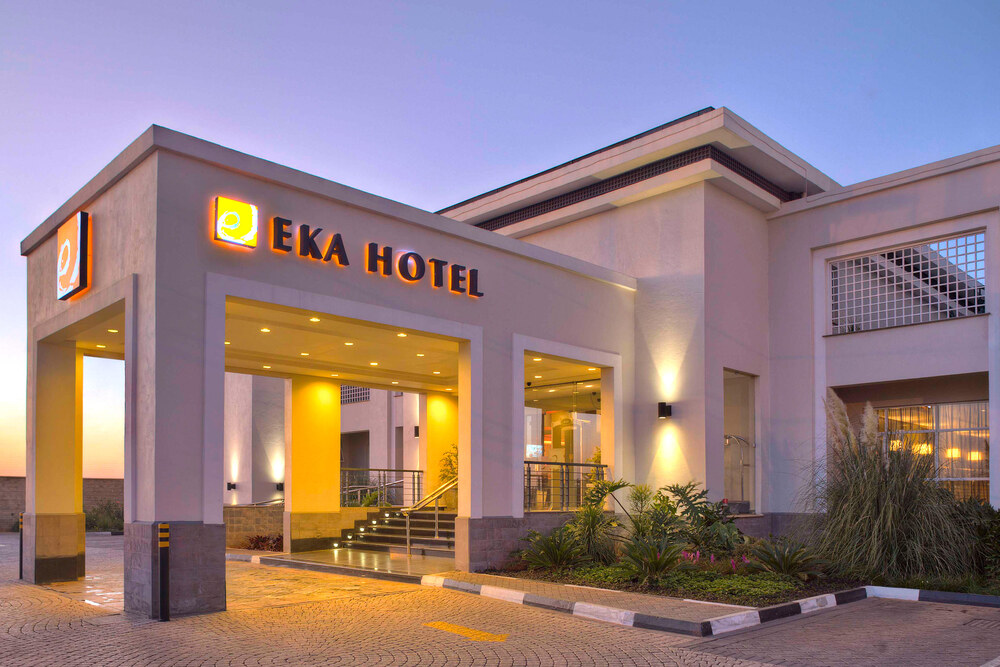 Places to stay
0 Tours
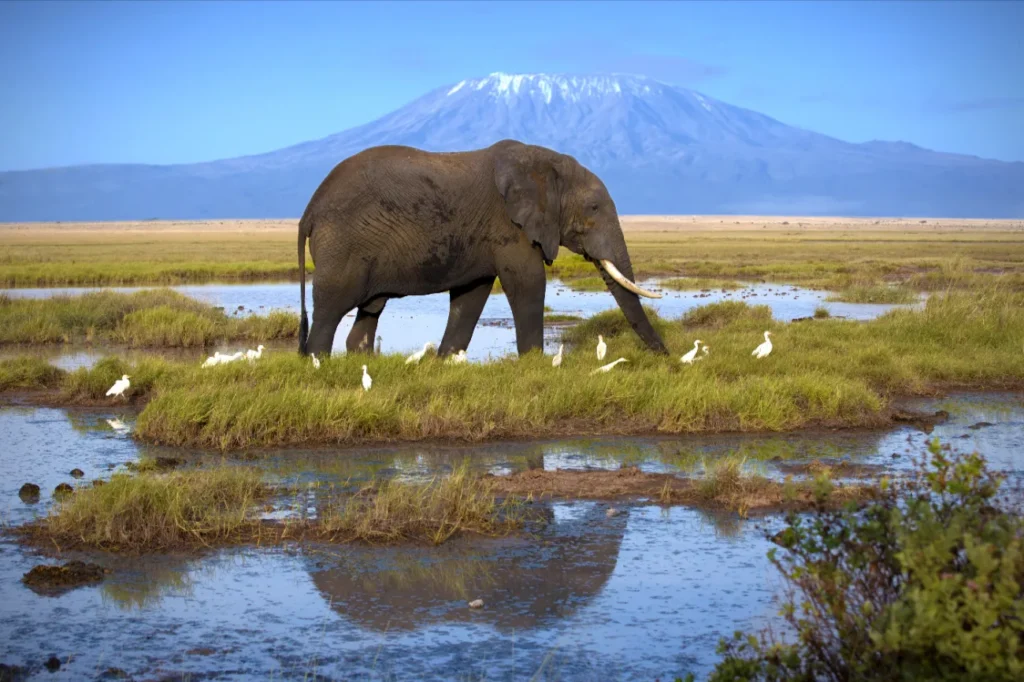
6 Tours
0 Tours
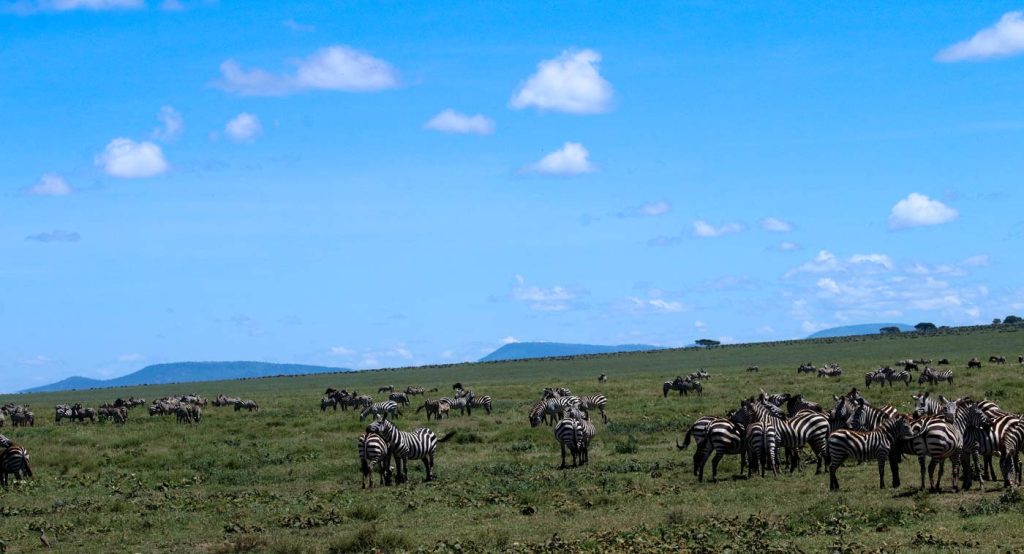
82 Tours
0 Tours
0 Tours
0 Tours
0 Tours