Kenya

Maasai Mara National Reserve

When to visit
July to October
Size
1,510 sq km
Temperature
26 'C
Rainfall
25mm
Age requirement
12 Year

Overview

About Maasai Mara National Reserve

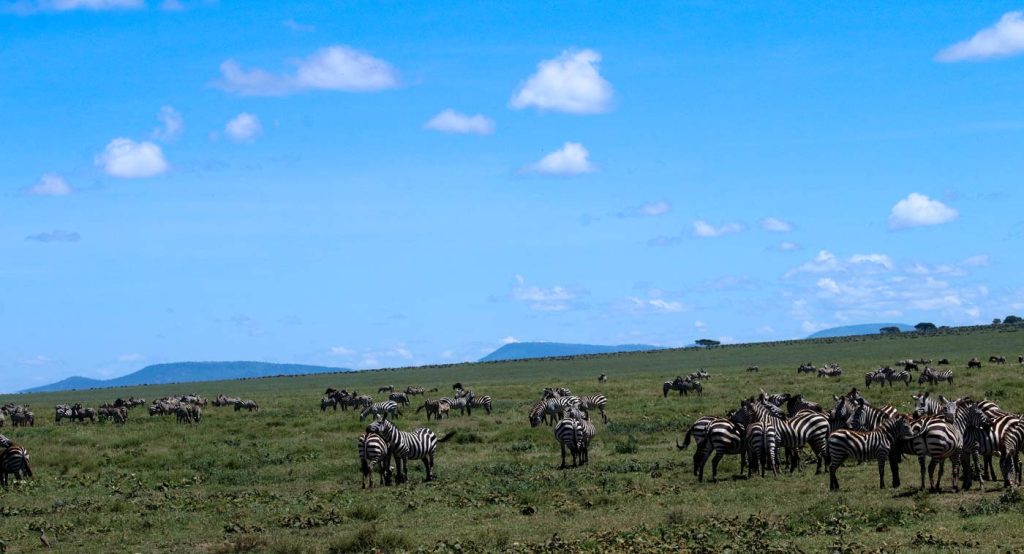
The Maasai Mara National Reserve is Kenya’s most celebrated wildlife destination, covering some 1,510 square kilometres of open grassland, riverine forest and rolling hills in the south-west of the country.

It is contiguous with the Serengeti across the Tanzanian border and shares its ecosystem, which is why the Great Migration crosses into the Mara between roughly July and October, with the Mara River crossings as the set piece that draws visitors from around the world.

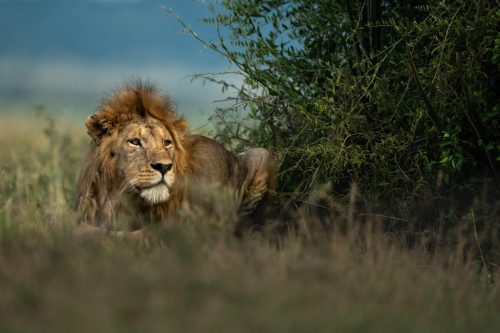
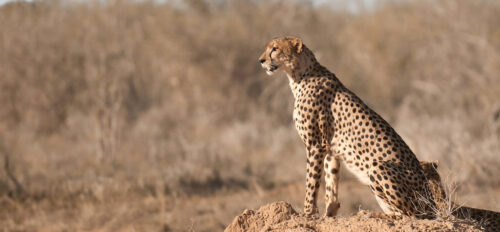
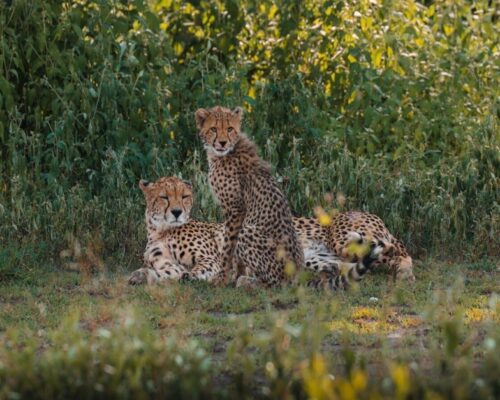
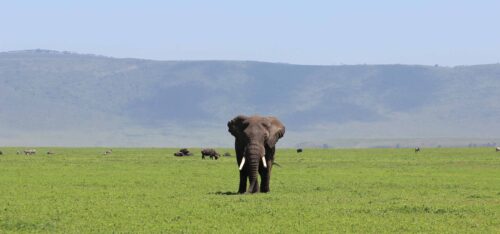
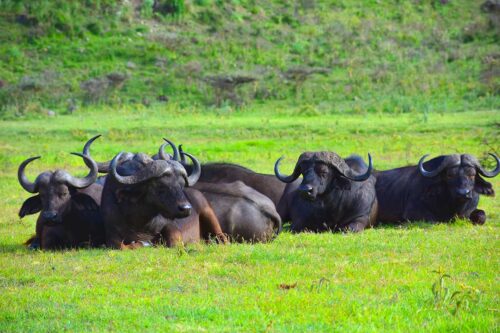
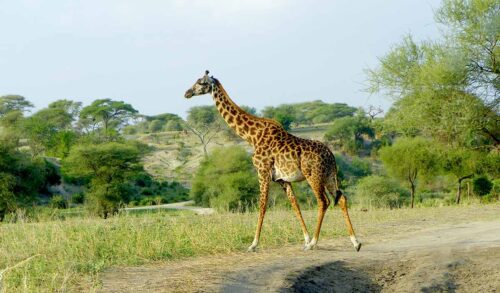
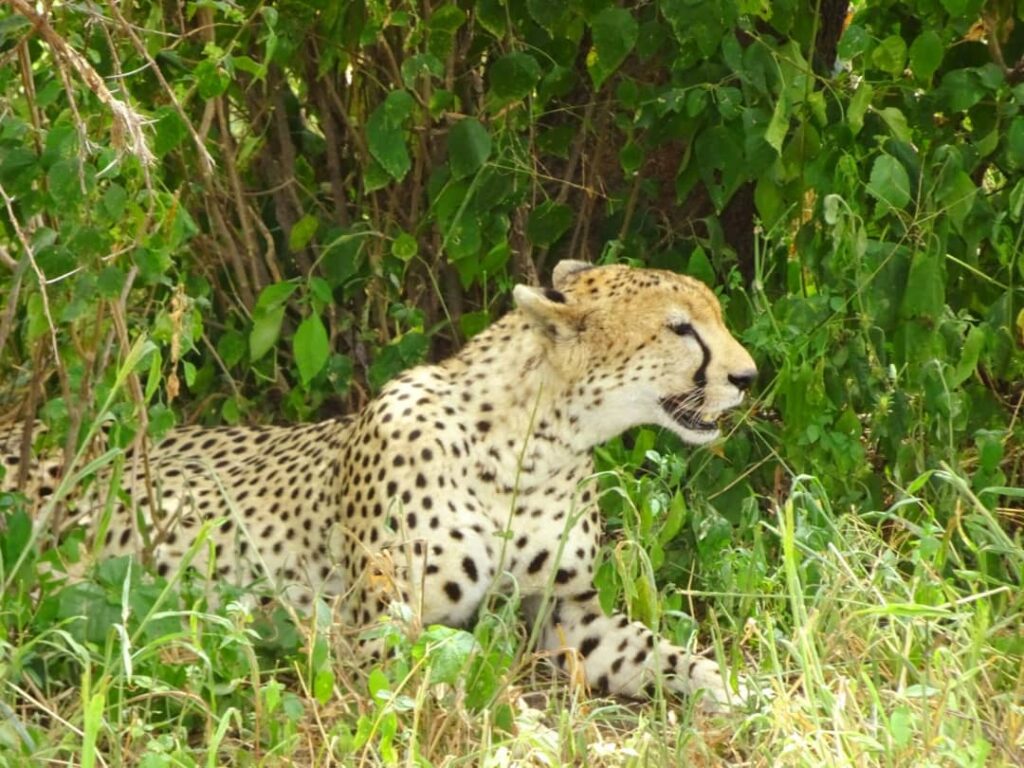
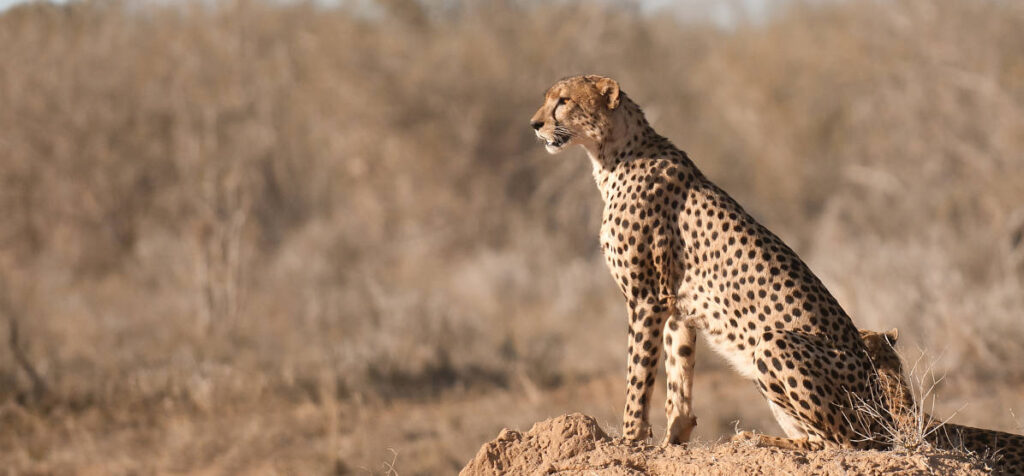
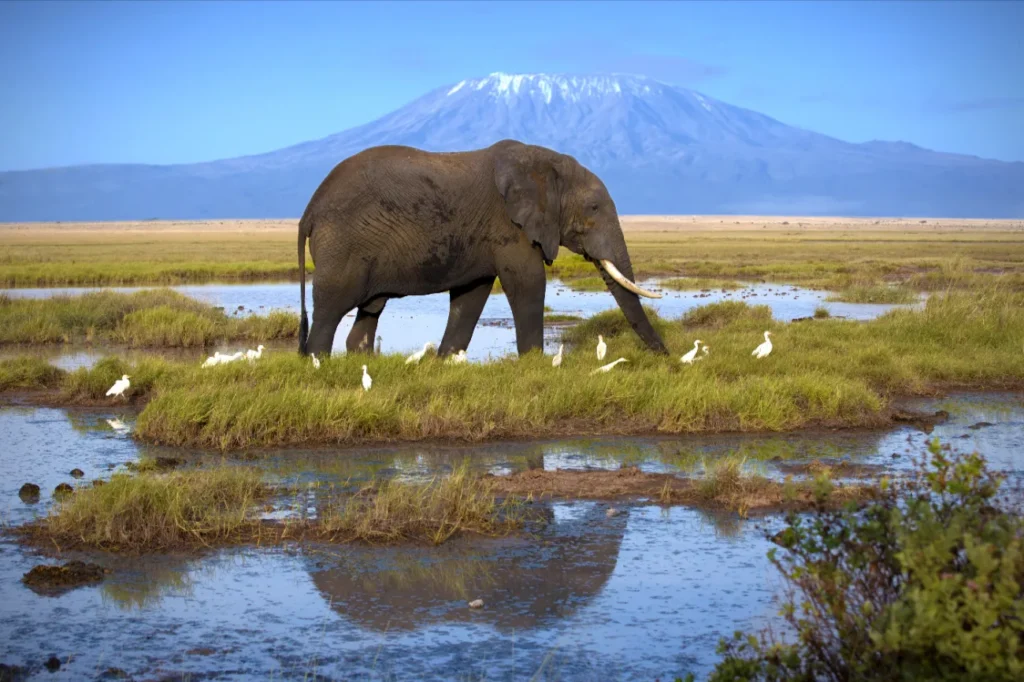
Outside the migration months the reserve remains outstanding. It holds one of the highest densities of lion in Africa, along with excellent cheetah viewing on the open plains and leopard in the riverine thickets. Elephant, buffalo, giraffe, topi, eland and hippo are all resident year-round.

Maasai-owned conservancies ring the reserve and are an increasingly important part of the picture. They cap vehicle numbers, permit night drives and walking safaris that the reserve itself prohibits, and channel tourism revenue directly to landowning families.
People and culture

People and culture

The reserve takes its name from the Maasai, who have grazed these grasslands for centuries and who own and manage most of the conservancies that now surround the reserve proper.

Those conservancies matter practically as well as culturally. Land that was being subdivided and fenced has instead been pooled into wildlife areas, with lease payments going directly to Maasai families, and the arrangement has kept large tracts of the ecosystem open to migrating herds.

The word Mara means spotted or dappled in Maa, describing the pattern of acacia, scrub and cloud shadow across the plains. Maasai social organisation is built around age-sets, with young men passing through a warrior stage before becoming elders, and cattle remain central to wealth, ritual and daily life.

Cultural visits arranged through conservancy camps tend to be considerably more substantive than those sold at the reserve gates, taking in herding practice, beadwork and the construction of a traditional enkang rather than a staged dance for arriving vehicles.

Wildlife encounters

Wildlife encounters

The Mara is contiguous with the Serengeti and shares its ecosystem, so the Great Migration crosses into Kenya here between roughly July and October, with the Mara River crossings as its set piece.

Outside the migration the reserve remains outstanding, holding one of the highest densities of lion in Africa along with cheetah on the open plains and leopard in the riverine thickets. Elephant, buffalo, giraffe, topi, eland and hippo are resident year-round. Black rhino occur in small, closely protected numbers.

Common wild animals

  • Wildebeest

    Migratory

  • Plain Zebra

    Abundant

  • African Lion

    Abundant

  • 11 Days Spirit & Soul of Africa (Tanzania/Kenya) – Luxury

    Cheetah

    Common

  • Leopard

    Common

  • African Elephant

    Common

  • African Buffalo

    Common

  • Giraffe

    Common

Birdlife

Birdlife

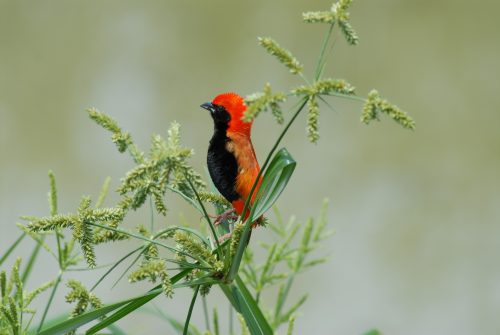
Well over 450 species have been recorded across grassland, riverine forest and seasonal marsh, and the Mara is an easy place to build a substantial list without trying.

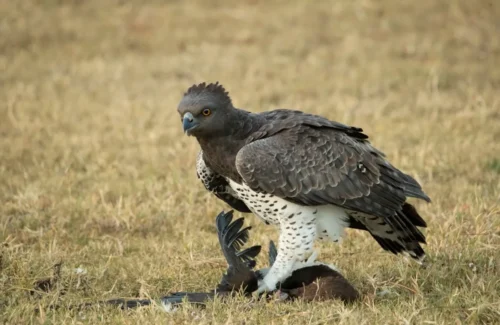
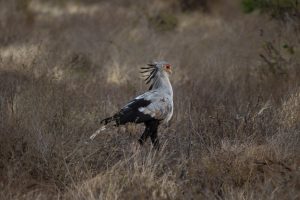
Secretary bird, kori bustard, ground hornbill, lilac-breasted roller and a dozen raptor species are routine. The Mara and Talek rivers add fish eagle, kingfishers and herons.

Common bird species

  • Bateleur

    Common

  • African Fish Eagle

    Common

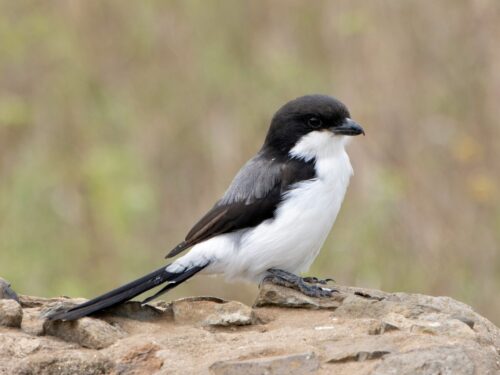
  • Common Fiscal

    Common

  • Martial Eagle

    Occasional

  • African Grey Hornbills

    Occasional

Getting there

How to get there

By Air

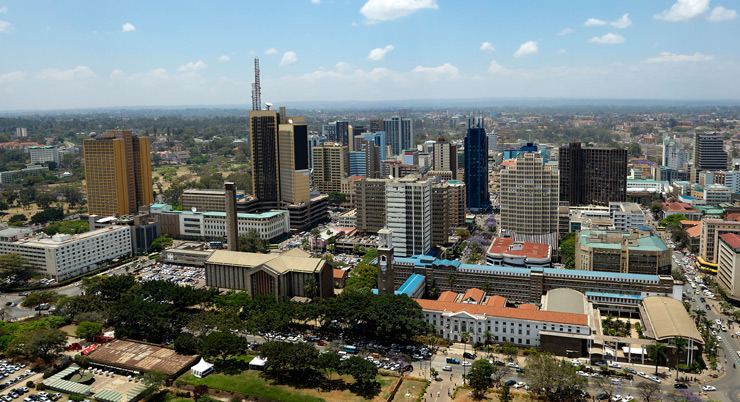
Scheduled flights run several times daily from Nairobi's Wilson Airport to airstrips including Keekorok, Ol Kiombo, Musiara and Mara Serena, taking about 45 minutes. This is how most visitors arrive.

By Car

The reserve lies roughly 270 kilometres from Nairobi, a drive of five to six hours. The final stretch beyond Narok is rough, and a 4×4 is strongly recommended, particularly in the wet season.

Weather

Weather and climate in Maasai Mara National Reserve

At around 1,500 to 2,100 metres the Mara is temperate rather than hot, which surprises visitors expecting equatorial heat. Days sit between 25°C and 29°C and nights fall to 11°C to 14°C, so a fleece for early game drives is essential year-round.

Month by month

High and low temperature and rainfall, shaded by how good the month is for a safari.

  • Jan

    28° / 13°

    60 mm

  • Feb

    29° / 13°

    55 mm

  • Mar

    28° / 13°

    105 mm

  • Apr

    26° / 14°

    175 mm

  • May

    25° / 13°

    130 mm

  • Jun

    25° / 12°

    40 mm

  • Jul

    25° / 11°

    25 mm

  • Aug

    26° / 11°

    30 mm

  • Sep

    27° / 12°

    30 mm

  • Oct

    27° / 13°

    50 mm

  • Nov

    26° / 13°

    110 mm

  • Dec

    27° / 13°

    80 mm

  • Excellent
  • Very good
  • Good
  • Fair
  • Avoid

The long rains run March to May, peaking in April at around 175 millimetres, and short rains fall through November. Annual rainfall is roughly 800 to 1,000 millimetres, noticeably higher than the southern Serengeti, which is why the Mara stays greener and supports resident game so well.

Even in the dry season brief afternoon storms are common, and they rarely disrupt a game drive for long. The grass stays longer here than on the Serengeti's short-grass plains, which can make spotting smaller predators harder in the wettest months.

The practical implication is that this is not a place to pack only for heat. Mornings in an open vehicle at 11°C with wind chill are genuinely cold, and a windproof layer over a fleece makes the difference between enjoying a dawn drive and enduring it.

Rain here usually arrives as intense afternoon storms rather than sustained drizzle, and it clears as quickly as it builds. Tracks in the reserve drain reasonably well, but the black cotton stretches near the marshes become slippery, and a capable vehicle matters more in April and May than at any other time.

Best time to go

Best time to visit Maasai Mara National Reserve

Best months
Jan–Feb, Jun–Dec

July to October is peak season, when the migration is in the Mara and the river crossings take place. August and September are the most reliable months for crossings on the Mara River. It is also the busiest and most expensive period, and the crossings themselves draw considerable vehicle traffic.

January to March is warm, largely dry and much quieter, with resident big cats every bit as visible and cub sightings common. For photographers who want space and time at a sighting rather than the drama of a crossing, this is often the better window.

April and May bring the long rains, the lowest rates of the year and green, dramatic landscapes, at the cost of some difficult tracks and longer grass. A number of camps close for part of this period.

June is a transitional month worth considering, as the rains ease and the first herds begin arriving from the Serengeti before the peak-season rates take effect.

Whichever window you choose, the grass is shorter outside the wettest months, which makes spotting cheetah and the smaller predators considerably easier across the open plains.

Book early whichever window you choose. The Mara has a finite number of camps and the better ones fill twelve months ahead for the crossing season, while the conservancies deliberately cap guest numbers and so sell out even faster.

Safety

Safety and security

The reserve is well managed and crime is rare, but wildlife rules are the usual ones: stay in the vehicle, keep distance from elephant and buffalo, and travel with a licensed guide.

During peak crossing season vehicle congestion at the river can become a hazard in itself, with jostling for position. Choosing a conservancy camp, or travelling outside July to October, avoids most of it. River banks are steep and crocodile numerous, so never approach on foot.

Health precautions

Malaria prophylaxis is advised despite the altitude, and repellent should be used at dawn and dusk. Yellow fever vaccination is commonly required for Kenya depending on your route of arrival.

Consult a travel clinic about typhoid, hepatitis A and B and tetanus. Medical facilities in the reserve are limited to camp first aid, with Nairobi the point of reference for anything serious, so insurance covering air evacuation is important.

Things to do

Things to do in Maasai Mara National Reserve

  1. Mara River Crossings

    Mara River · Talek

    Wildebeest massing on the banks between July and October.

  2. Big Cat Viewing

    Musiara Marsh · Paradise Plain

    Among the highest densities of lion and cheetah in Africa.

  3. Hot-Air Balloon Safari

    Central Plains

    Sunrise flight over the grasslands, ending with a bush breakfast.

  4. Conservancy Night Drives

    Mara North · Naboisho

    Permitted in the conservancies but not inside the reserve itself.

  5. Walking Safari

    Olare Motorogi · Naboisho

    Guided walking, available on conservancy land with a Maasai guide.

  6. Maasai Cultural Visit

    Conservancy Villages

    Herding, beadwork and dance with the families who own the land.

FAQ

Frequently asked questions

When does the Great Migration reach the Maasai Mara?

The herds usually cross from the Serengeti into the Mara between July and October, though the timing shifts by several weeks each year with the rains and cannot be booked to a date. August and September are the most reliable months for Mara River crossings. Those crossings are unpredictable events: herds may gather on the bank for hours and then turn away without entering the water at all. Guides monitor herd movements daily, so ask at your camp each evening rather than relying on a plan fixed months ahead.

Should I stay in the reserve or a conservancy?

Conservancies cap vehicle numbers, permit night drives and walking safaris that the reserve prohibits, and channel revenue directly to Maasai landowning families. The reserve gives you the river crossings and generally lower rates. Many itineraries combine both, spending a few nights in a conservancy for exclusivity and quiet, then moving into the reserve during crossing season for the migration itself. Conservancy rates are usually higher but include activities that cost extra inside the reserve, so the gap narrows once you compare the full package rather than the nightly figure.
Is the Maasai Mara worth visiting outside migration season?

Very much so. The resident wildlife does not leave with the herds, and the Mara holds one of the highest lion densities in Africa along with excellent cheetah and leopard viewing year-round. January to March is warm, largely dry, far quieter and considerably cheaper, and cub sightings are common. Many repeat visitors deliberately avoid the peak months for exactly these reasons. The grass is also shorter outside the wettest months, which makes spotting cheetah and the smaller predators considerably easier.

How do I get to the Maasai Mara from Nairobi?

Scheduled flights leave Wilson Airport several times daily for airstrips including Keekorok, Ol Kiombo, Musiara and Mara Serena, taking about forty-five minutes, and this is how most visitors travel. Driving covers roughly 270 kilometres in five to six hours, with the stretch beyond Narok rough enough to warrant a 4×4. Baggage on light aircraft is usually limited to fifteen kilogrammes in soft bags. Flying costs more but returns most of a day to the safari itself rather than to the road beyond Narok.

How many days should I spend in the Mara?

Three to four nights is the usual recommendation and gives a realistic chance of a river crossing during the migration months, since crossings cannot be scheduled. Outside the migration, three nights is ample for the resident big cats and general game. Many itineraries pair the Mara with Amboseli or Lake Nakuru, or cross the border to combine it with the Serengeti. Crossings cannot be scheduled, so allowing an extra night materially improves your chances during the migration months.

Are hot-air balloon safaris available?

Yes, and the Mara is one of the classic places to do one. Flights launch before dawn, drift for about an hour over the plains and rivers, and finish with a champagne bush breakfast on landing. They are expensive and capacity is limited, so book well ahead during the migration months. The perspective on the herds from above is difficult to match from a vehicle. Flights launch before dawn and finish with a champagne bush breakfast on landing, and capacity is limited enough that peak-season slots go months ahead.

Can I do walking safaris in the Mara?

Not inside the national reserve, where walking is prohibited, but the surrounding Maasai conservancies permit both walking safaris and night game drives. Walks are led by an armed ranger alongside a Maasai guide, and the emphasis shifts to tracks, plants and the smaller detail of the ecosystem. If either activity matters to you, book accommodation on a conservancy rather than inside the reserve. If either activity matters to you, book accommodation on a conservancy rather than inside the reserve, because it cannot be arranged afterwards.

What is the weather like in the Mara?

Cooler than most visitors expect, because the reserve sits between 1,500 and 2,100 metres. Days run 25°C to 29°C but nights fall to 11°C to 14°C, and early morning drives in an open vehicle are genuinely cold with wind chill. The long rains fall March to May and short rains through November, though brief afternoon storms are possible in any month. A windproof layer over a fleece makes the difference between enjoying a dawn drive and simply enduring it.

Recommended tours

Explore Maasai Mara National Reserve with these recommended tours.

All tours in Maasai Mara National Reserve

Discover Maasai Mara National Reserve

Everything we list for Maasai Mara National Reserve, in one place.

Explore other destinations

All destinations