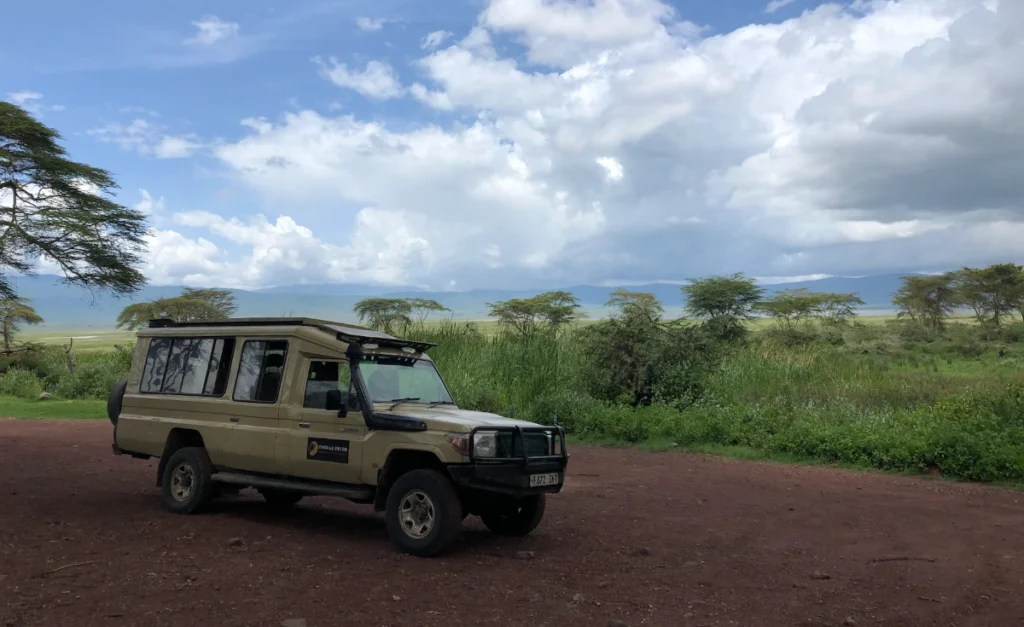
8 Days | 7 Nights
Tanzania
8 Days Serengeti Migration Safari by Torias Pride
5/55 reviews
Arusha, Tarangire, Ngorongoro Crater, Serengeti
From $3,880 USD per person
Compare tour packages that visit Arusha National Park, from local tour operators. Check prices, itineraries and reviews, then send an enquiry.
Showing 49–60 of 82 tours
8 Days | 7 Nights
Tanzania
5/55 reviews
Arusha, Tarangire, Ngorongoro Crater, Serengeti
From $3,880 USD per person
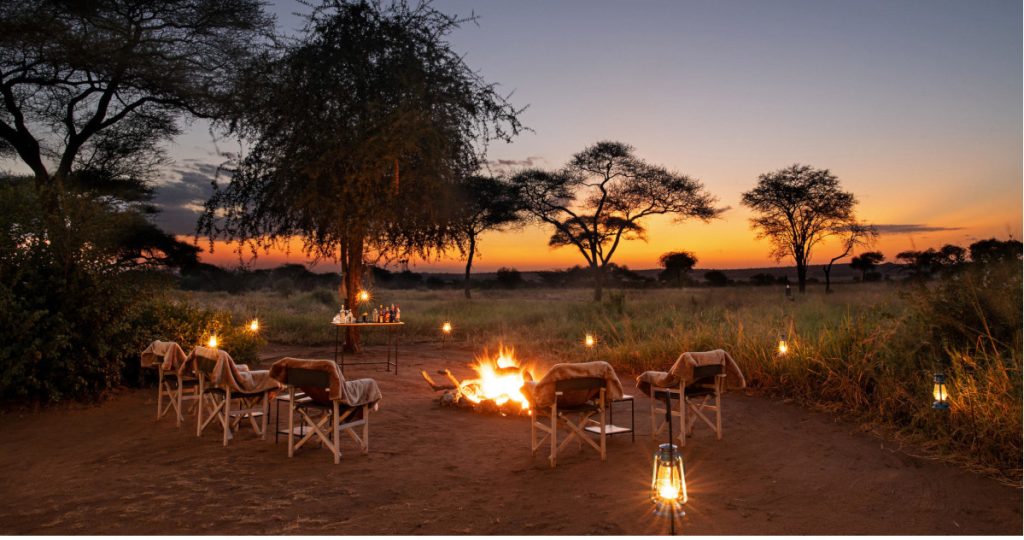
4 Days | 3 Nights
Tanzania
5/55 reviews
Arusha, Tarangire, Lake Manyara, Ngorongoro Crater
From $1,995 USD per person
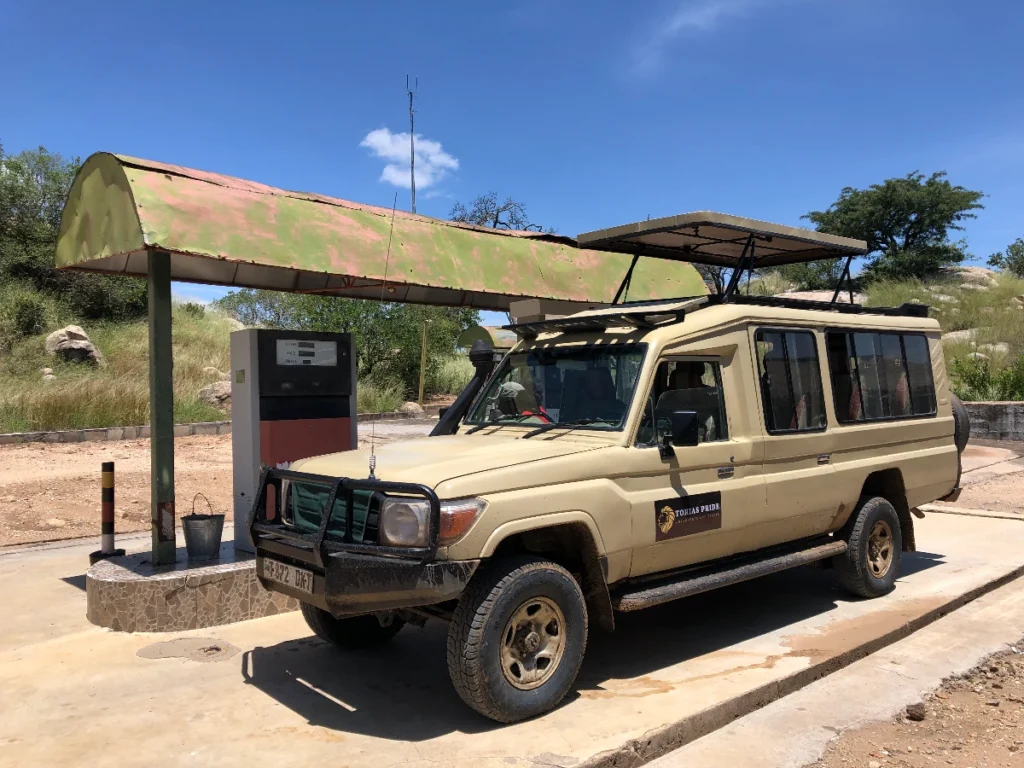
6 Days | 5 Nights
Tanzania
5/55 reviews
Arusha, Lake Manyara, Ngorongoro Crater, Mto wa mbu
From $2,969 USD per person
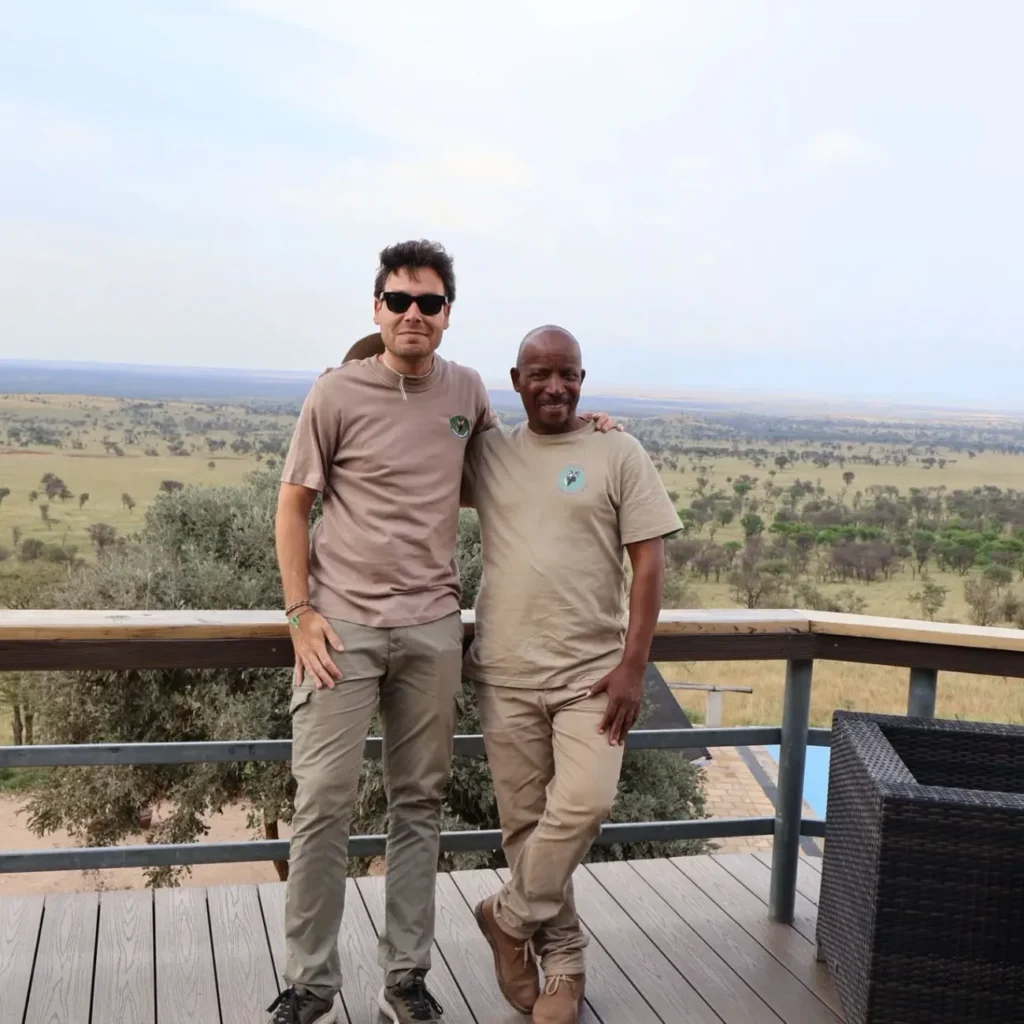
3 Days | 2 Nights
Tanzania
5/51 review
Arusha, Ngorongoro Crater, Lake Eyasi
From $573 USD per person
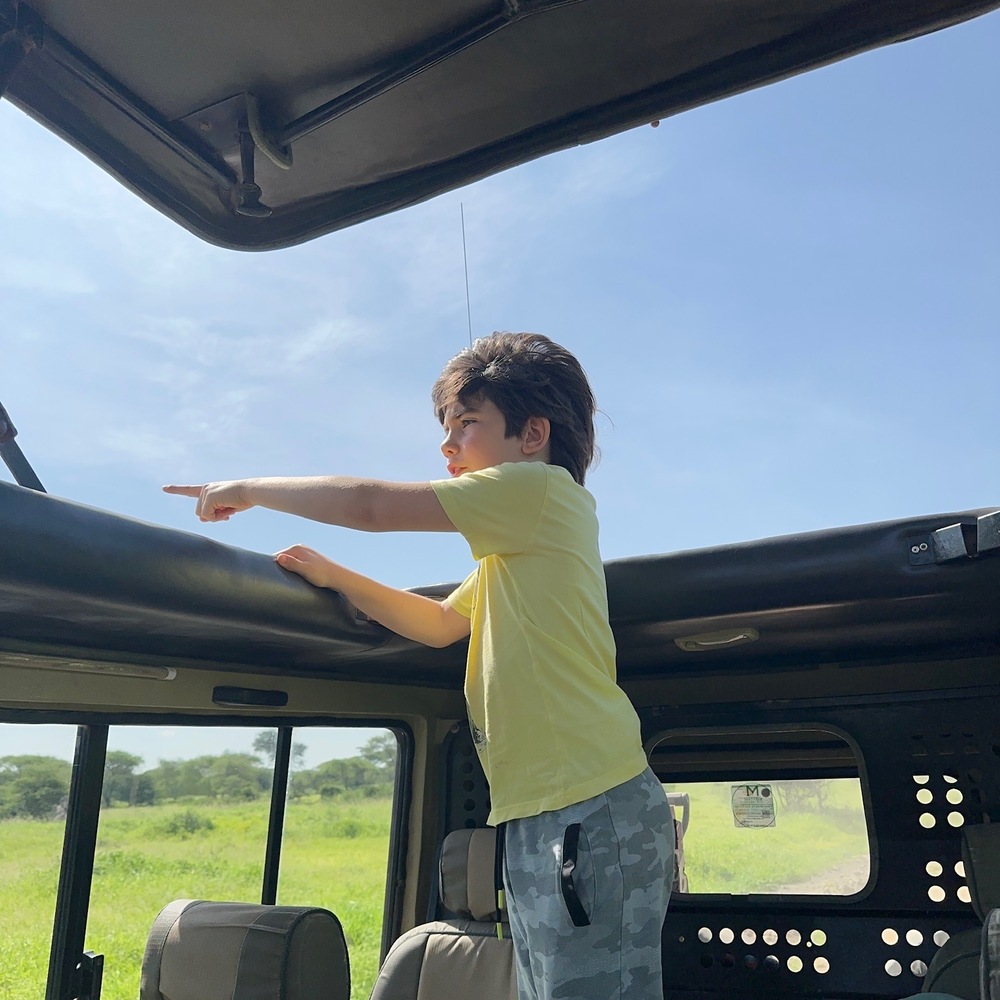
13 Days | 12 Nights
Tanzania
5/51 review
Arusha, Tarangire, Lake Manyara, Ngorongoro Crater, Serengeti, Lake Eyasi, Mto wa mbu
From $3,990 USD per person

6 Days | 5 Nights
Tanzania
5/51 review
Arusha, Tarangire, Ngorongoro Crater, Serengeti
From $3,964 USD per person
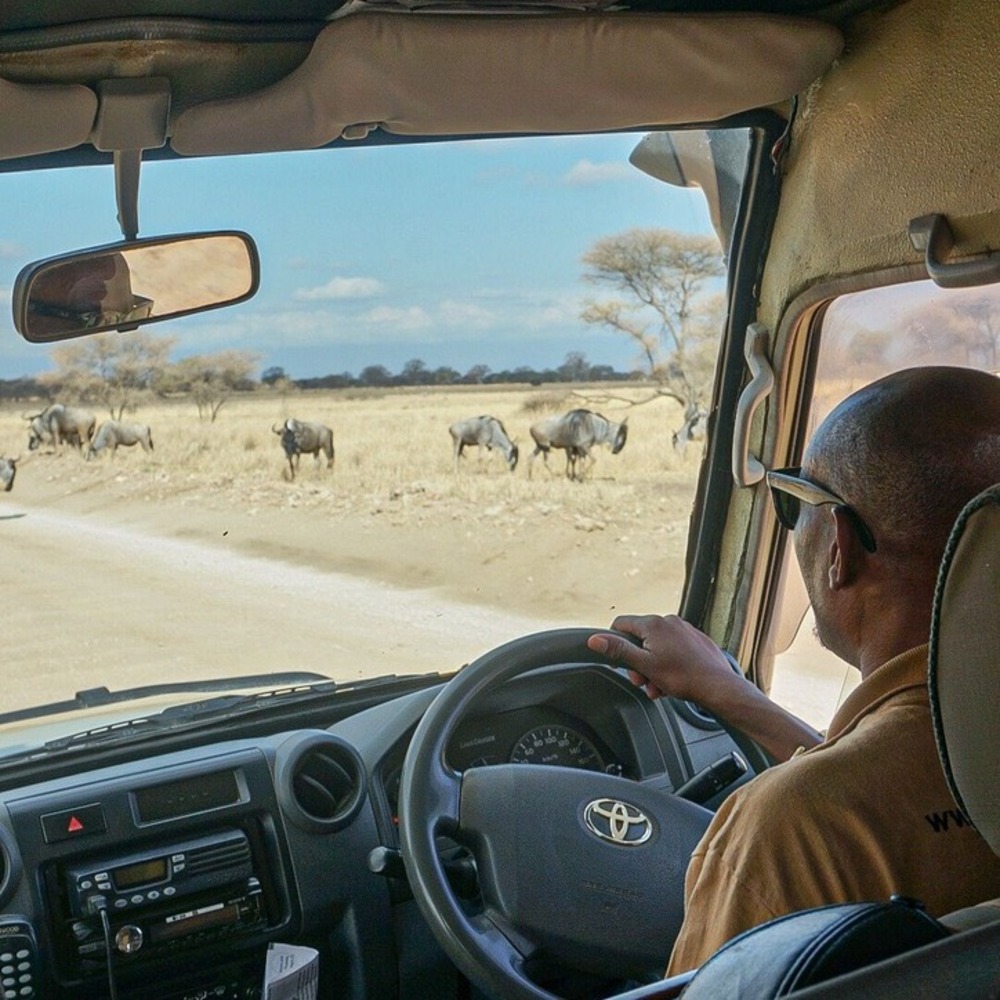
6 Days | 5 Nights
Tanzania
5/51 review
Arusha, Tarangire, Ngorongoro Crater, Zanzibar
From $2,356 USD per person

6 Days | 5 Nights
Tanzania
5/51 review
Arusha, Ngorongoro Crater, Serengeti
From $2,605 USD per person
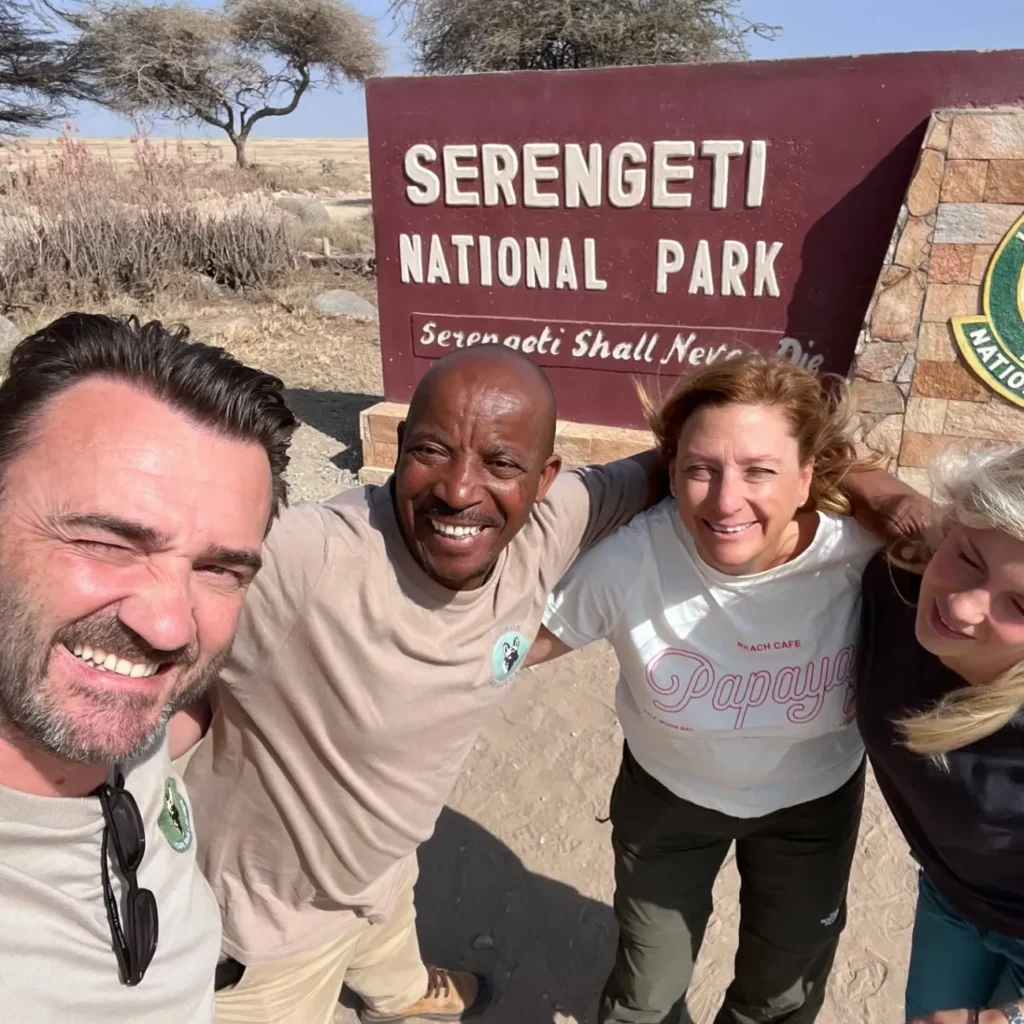
6 Days | 5 Nights
Tanzania
5/51 review
Arusha, Tarangire, Ngorongoro Crater, Serengeti, Zanzibar
From $3,730 USD per person
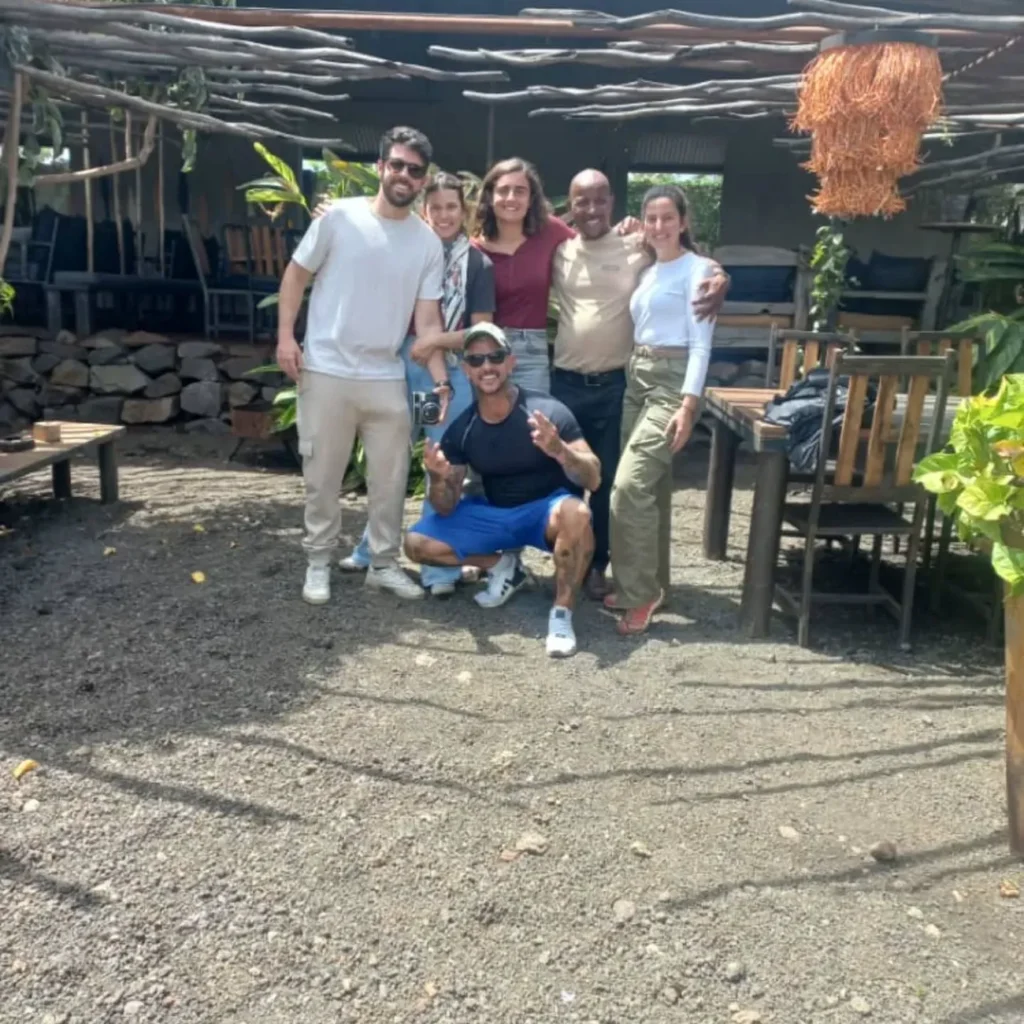
7 Days | 6 Nights
Tanzania
5/51 review
Arusha, Tarangire, Lake Manyara, Ngorongoro Crater, Serengeti
From $4,060 USD per person
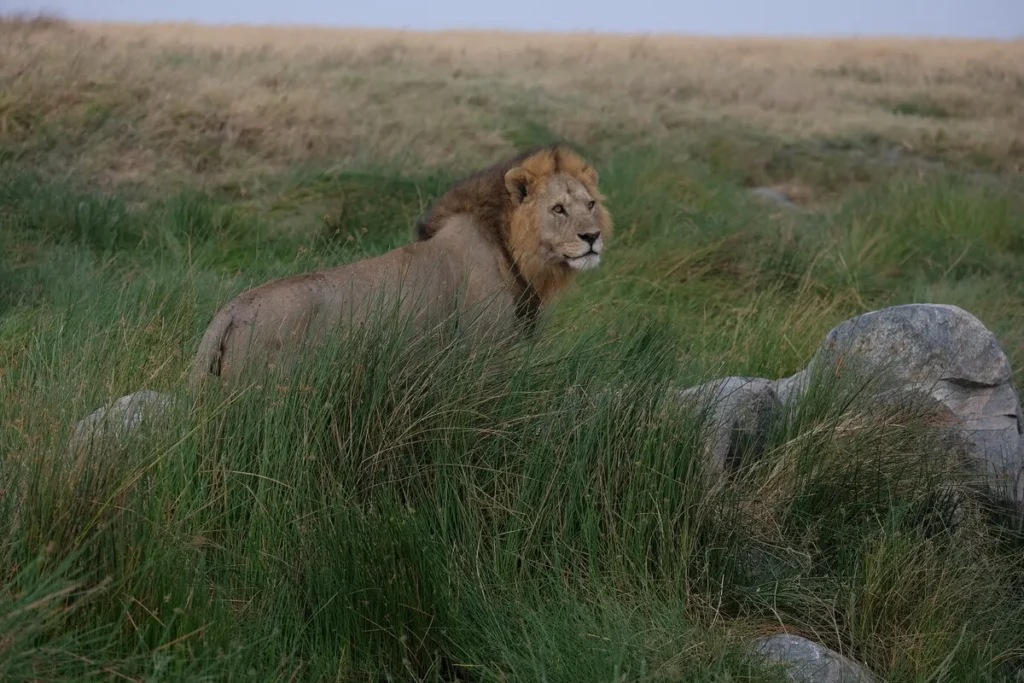
6 Days | 5 Nights
Tanzania
5/52 reviews
Arusha, Tarangire, Lake Manyara, Ngorongoro Crater, Serengeti
From $1,862 USD per person
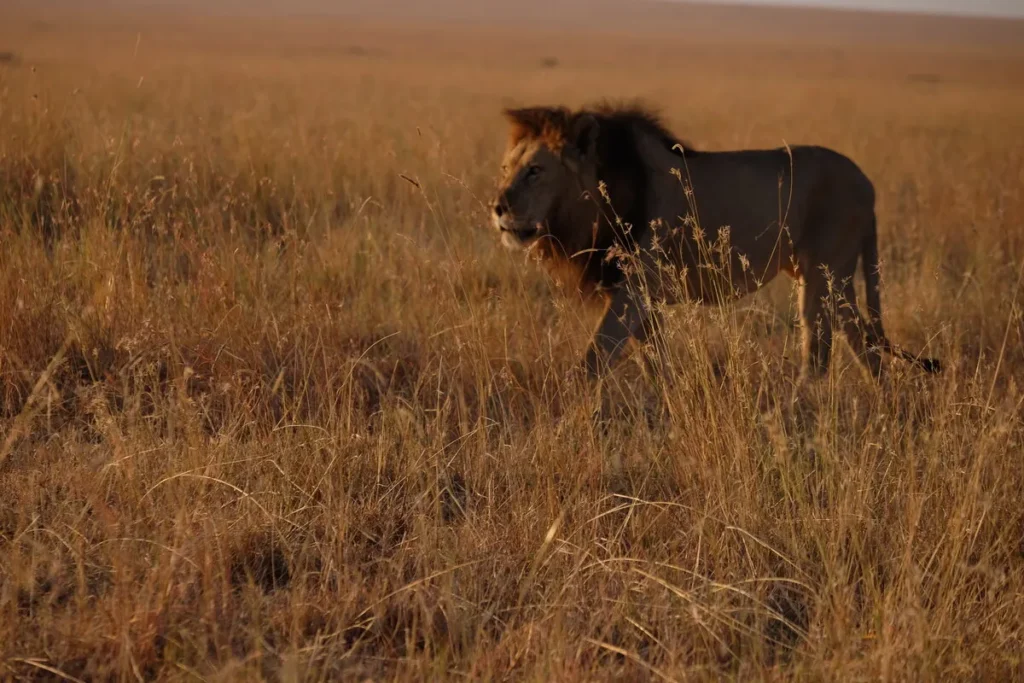
4 Days | 3 Nights
Plan your trip
When to go, how safe it is and the questions travellers ask most about Arusha National Park.
Arusha National Park works year-round and is far less seasonal than the larger parks, since its wildlife does not migrate and its appeal rests as much on landscape as on game.
June to October is the driest and clearest window, and the main season for climbing Mount Meru. Trails are firmer, summit views across to Kilimanjaro are at their most reliable, and walking and canoeing conditions in the lower park are ideal.
December to February forms a second dry window, warmer and quieter, and is also good for the Meru trek. Flamingo numbers on the Momella Lakes follow water levels rather than a fixed calendar.
March to May brings the long rains, when the forest is at its most striking but trails become slippery and the mountain is often hidden for days.
For a day visit, simply go early: the peaks usually disappear behind cloud by mid-morning.
For a day visit from Arusha, simply go early. Both peaks are usually visible at first light and lost behind cloud by mid-morning, and the colobus are most active in the cool of the early day.
Month by month
Jan
27°
60 mm
Feb
28°
70 mm
Mar
27°
150 mm
Apr
25°
250 mm
May
24°
160 mm
Jun
23°
30 mm
Jul
22°
20 mm
Aug
23°
20 mm
Sep
25°
20 mm
Oct
27°
45 mm
Nov
26°
150 mm
Dec
26°
100 mm
Arusha National Park is considered safe with licensed guides and adherence to ranger instructions. Walking safaris require an armed ranger; always follow spacing, keep voices low, and avoid sudden movements around buffalo, giraffe, or hippo areas. Stay on signed trails—slopes can be slick after rain, and fig roots create ankle traps.
Canoe trips provide life jackets and safety briefings; remain seated during wildlife approaches. On drives, keep windows partly up near baboons and never feed animals. For the Mount Meru trek, pace steadily, hydrate, and respect turnaround times set by guides; altitude, wind, and chill are the main challenges rather than technical climbing.
Roads may be muddy in the rains; use a reliable 4×4 and experienced driver, and avoid night driving. Secure valuables discreetly at lodges and carry only essentials on walks. Mobile coverage is decent near gates, weaker in interior valleys. With basic precautions and professional guiding, Arusha delivers low-risk, high-reward adventures.
FAQ8 questions
What travellers ask most before booking a safari in Arusha National Park, answered by local experts.
Read the full Arusha National Park guideBecause there are no lion in the park and elephant are scarce, the risk profile is entirely different from Tarangire or the Serengeti. That allows Tanzania National Parks to permit guided walking safaris and canoeing here, activities prohibited in the larger northern parks. Walks are still led by an armed ranger, and buffalo remain the animal that warrants most caution, but the park offers a freedom the rest of the circuit does not.
It is widely considered the best acclimatisation available. At 4,566 metres, Meru takes three to four days and reaches an altitude high enough to prompt genuine physiological adaptation, so climbers who summit Meru before starting Kilimanjaro have markedly better success rates. The trek is also a fine climb in its own right, with a dramatic ridge walk along the crater rim to Socialist Peak. Climbers who summit Meru before starting Kilimanjaro have markedly better success rates on the higher mountain.
Three to four days is standard, with four the more comfortable option. The route passes through forest, then giant heather and moorland, with huts at Miriakamba and Saddle Hut. The summit push starts around midnight from Saddle Hut to reach Socialist Peak for sunrise, when Kilimanjaro appears across the plain. An armed ranger accompanies every group, as buffalo are present in the lower forest. An armed ranger accompanies every group, as buffalo are present throughout the lower forest belt.
Easily, and it is the most practical day safari from Arusha city, lying only 25 kilometres away with the gate under an hour by road. A full day allows the Ngurdoto Crater viewpoints, the Momella Lakes and a walking safari or canoe trip. Many visitors use it as a gentle first day before a longer circuit, or as an acclimatisation day before climbing Meru or Kilimanjaro. Many visitors use it as a gentle first day before a longer circuit, or as an acclimatisation day before climbing Meru or Kilimanjaro.
Giraffe are exceptionally numerous, and black-and-white colobus monkeys in the forest belt are the park's signature sighting. Buffalo, waterbuck, bushbuck, warthog, blue monkey and baboon are all common. There are no lion, elephant are rare, and leopard occur but are seldom seen. The Momella Lakes draw flamingo in fluctuating numbers along with a wide range of waterbirds, so bring binoculars. The Momella Lakes draw flamingo in fluctuating numbers along with a wide range of waterbirds, so bring binoculars for the lakeshore stops.
Yes, on the Momella Lakes, and it is one of very few places in northern Tanzania where canoeing is permitted inside a national park. Trips run with a guide and last around two hours, bringing you close to waterbuck and buffalo grazing the shoreline and to the birdlife on the water. It works particularly well combined with a walking safari as a full day out from Arusha. It works particularly well combined with a walking safari as a full day out from Arusha city.
June to October and again December to February are the driest windows, with the clearest views of both Meru and Kilimanjaro and the best conditions for climbing. March to May brings the long rains, when trails become slippery and the mountains are often hidden. For a day visit in any month, go early: the peaks are usually visible at first light and disappear behind cloud by mid-morning. For a day visit in any month, go early: the peaks are usually visible at first light and disappear behind cloud by mid-morning.
It offers variety rather than volume. You will not see the herds or predator concentrations of Tarangire or the Serengeti, but you get forest, crater, lakes and a 4,566-metre mountain within 552 square kilometres, plus walking and canoeing that the larger parks prohibit. It works best as a first or last day on a circuit rather than as a substitute for time in the major parks. It works best as a first or last day on a circuit rather than as a substitute for time in the major parks.
Everything we list for Arusha National Park, in one place.
 Guide
0 Tours
6 Tours
0 Tours
0 Tours
0 Tours
0 Tours
0 Tours
1 Tour